
Protesting in Virginia? Here’s What You Need to Know in 2026
Whether you’re passionate about a local zoning change or a more national topic (such as immigration), taking to the streets is a time-honored tradition in the Commonwealth. But while the First Amendment is your shield, Virginia’s state codes (and federal laws) provide the boundaries. There are several laws to keep in mind when protesting in Virginia.
To help you stay safe and legally compliant, here is a guide to your rights and the “red lines” you should avoid in Virginia as of 2026.
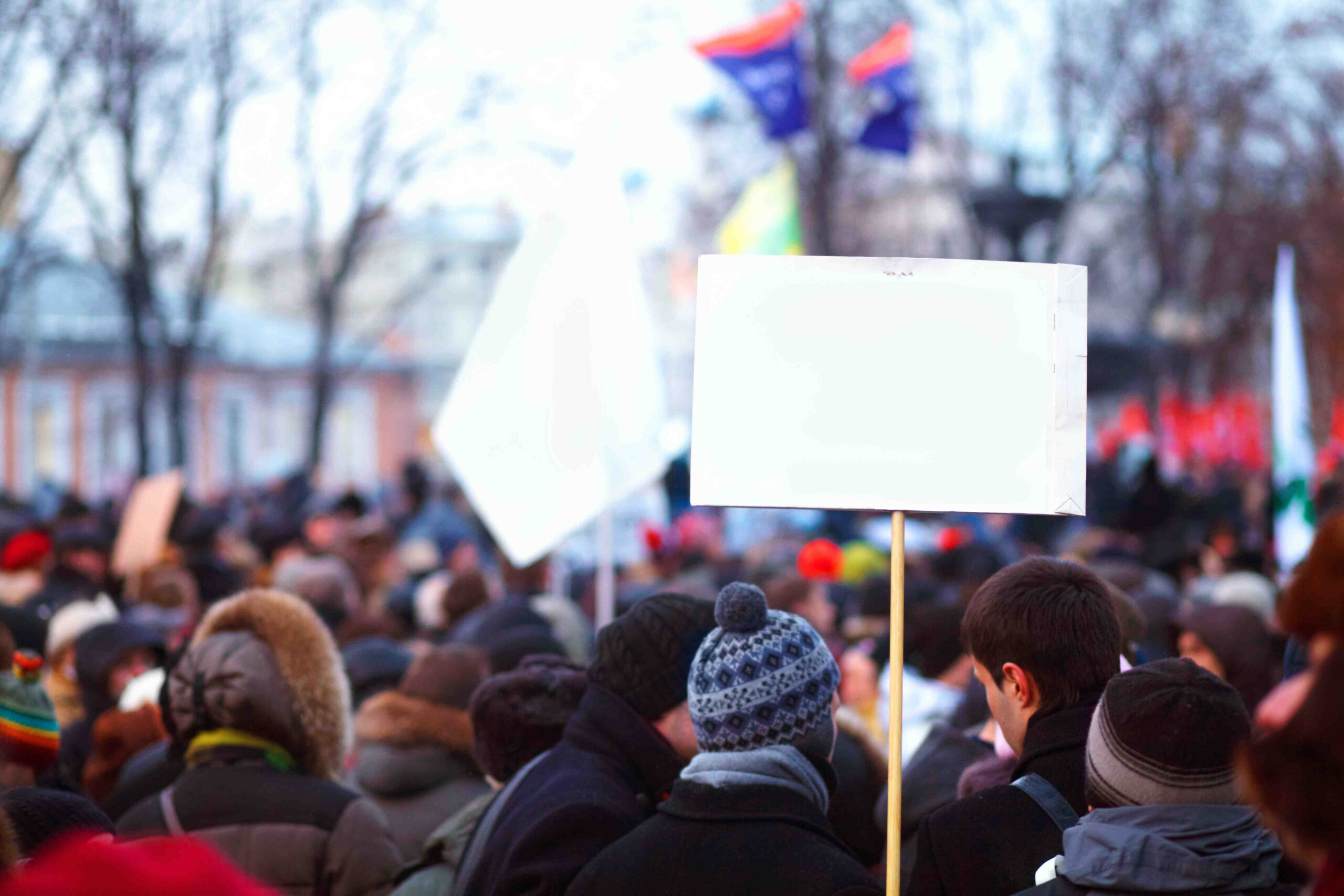
Your Rights: The “Dos”
1) Know Your “Public Forums”
In Virginia, your rights are strongest in “traditional public forums.” This includes public sidewalks, streets, and parks.
- The Rule: You generally don’t need a permit to march on a sidewalk as long as you aren’t physically blocking others from passing.
2) Record the Action
You have a clear legal right to photograph and record anything in plain view in public spaces. This includes:
- Recording the police or federal agents performing their duties.
- Note: Police cannot confiscate your phone or delete your data without a warrant.
3) Small Groups Often Move Free
Most Virginia localities do not require a permit for small groups. If you stay on the sidewalk and obey traffic signals, you can typically gather spontaneously. However, be sure to check about your specific locality to confirm permit requirements, though. Additionally, once you use amplified sound or want to close a street, a permit is required.
Common Legal Violations: The “Don’ts”
1) Don’t Block “Free Passage”
VA Code § 18.2-404: Virginia law prohibits “unreasonably or unnecessarily” obstructing the passage of others. Refusing to move can result in a Class 1 misdemeanor.
2) Avoid “Dwelling Place” Picketing
VA Code § 18.2-419: Protesting directly in front of someone’s private residence is a Class 3 misdemeanor in Virginia.
3) Respect the Dispersal Order
VA Code § 18.2-407: If police declare an “unlawful assembly,” remaining at the scene after being warned to leave is a crime (specifically, a Class 3 misdemeanor).
4) Don’t Wear a Mask
VA Code § 18.2-422: It is a felony in Virginia for any person to appear in public wearing a mask or a hood with the intent to conceal their identity. There are exceptions to this prohibition for traditional holiday costumes, theater productions, masks required for medical or safety reasons; but, interestingly, there is no exception for law enforcement officers.
Special Focus: Protesting Immigration Enforcement
One particularly common topic of protest today centers around immigration enforcement. While you are entitled to your First Amendment rights, be sure to avoid these illegal actions if observing or protesting an enforcement action:
- Physical Interference (18 U.S.C. § 111): Interfering with a federal officer’s duties is a federal crime. This includes “forcibly resisting, opposing, or impeding” agents. Avoid forming human chains to block agents or their vehicles, as this can be charged as a felony.
- Maintaining Distance while Recording: While you have the right to film, you must do so from a “safe distance.” If an agent determines you are physically close enough to hinder their movement or safety, you may be detained for obstruction. While some states have a legal buffer zone of 25 feet, VA law leaves more discretion. Still maintaining a reasonable distance between yourself and operating officers is paramount.
- Shielding or Concealing (8 U.S.C. § 1324): Knowingly “shielding from detection” an undocumented individual, such as by hiding them in a vehicle or a private building to prevent an arrest, is a federal offense that can carry significant prison time.
- Trespassing on Federal Property: Many ICE operations occur at federal facilities or contracted holding centers (like the recently proposed sites in Hanover or Augusta County). Crossing a perimeter fence or entering a non-public area of these facilities is a federal trespass violation.
Quick Reference: Permit or No Permit?
| Activity | Permit Required? |
| Sidewalk March (no blocking) | Generally No |
| Large Rally in Public Park | Usually Yes |
| Marching in the Street | Yes (requires traffic control) |
| Using Megaphones/P.A. Systems | Yes (noise ordinances) |
Pro-Tips for Virginia Protesters
- Check Local Ordinances: Cities like Richmond and Norfolk have specific “Expressive Activity” rules.
- Carry ID: While not always required unless suspected of a crime, it simplifies the process if you are detained for a minor infraction.
- Identify Warrants: If observing a home enforcement action, remember that an administrative warrant (signed by ICE) does not grant them the right to enter a home without consent; only a judicial warrant (signed by a judge) does.
Important Note: This blog is for informational purposes and does not constitute legal advice. Given the heightened tensions in 2026, always consult with a civil rights attorney for specific concerns.
If you find yourself facing charges after engaging in protest, we at Cook Attorneys can help. You have a legal right to protesting in Virginia. Our defense attorneys stand ready to help protect you and your rights. Reach out to us HERE.