Animal Abuse Charges and Penalties: All You Need to Know

Facing animal abuse or neglect charges? Learn about penalties, state vs. federal laws, and how Cook Attorneys in Virginia can fight for your rights and protect your future.

Table of Contents 

Can You Go To Jail For Animal Cruelty in Virginia? 

What is the Difference Between Animal Cruelty and Neglect?

What Are the Differences Between State and National Laws on Animal Cruelty?

What Should I Do if I Have Animal Abuse Charges?

Why Choose Cook Attorneys?

jail cell

Can You Go To Jail For Animal Cruelty in Virginia? 

Yes, you can go to jail for animal cruelty in Virginia. The state enforces strict laws under Virginia Code § 3.2-6570, which criminalize cruelty, neglect, and intentional harm to animals. Whether an offender faces jail time depends on the severity of the crime and whether the charges are classified as a misdemeanor or felony. Below is a breakdown of these classifications and their associated penalties.

Penalties for Animal Cruelty in Virginia

  • Class 1 Misdemeanor:
    • Offense: Acts of cruelty, neglect, or abandonment that do not result in serious injury or death to the animal.
    • Penalty: Up to 12 months in jail and/or a fine of up to $2,500.
  • Class 6 Felony:
    • Offense: Maliciously killing or torturing an animal, causing death, or inflicting severe pain and suffering.
    • Penalty: 1 to 5 years in prison (or, at the court’s discretion, up to 12 months in jail and/or a fine of $2,500).

Aggravating Factors That Increase Penalties

  • Intentional Harm: Acts of malicious cruelty often escalate charges from a misdemeanor to a felony.
  • Neglect Resulting in Death or Severe Injury: Cases of neglect that lead to the death or serious physical harm to an animal are often treated as felonies.
  • Repeat Offenders: Individuals with prior animal cruelty convictions may face enhanced penalties.

Recent Animal Cruelty Cases in Virginia

Virginia’s courts take animal abuse seriously, as seen in these recent cases:

  • Patricia Mathis-Burby Case (2023): Loudoun County Animal Services found Mathis-Burby’s animals living in horrific conditions, confined in crates with little food or water. Some animals suffered from untreated injuries. Mathis-Burby was ordered to pay $23,500 in restitution, lost custody of the animals, and was permanently banned from owning pets in Virginia.
  • Amissville Family Case (2024): In a shocking instance, authorities discovered 12 distressed dogs at a family home. The dogs had not been fed for approximately 1.5 weeks and had not received basic care such as vaccinations or rabies shots. The family faced 60 animal abuse charges.

Virginia’s Laws on Animal Cruelty

  • Cruelty to Animals: Torturing, beating, or inflicting inhumane pain or injury on a companion animal is illegal.
  • Tethering Laws: Dogs can only be continuously tethered with proper food, water, or shelter, and they must not be tethered in extreme weather conditions.

What is the difference between animal cruelty and neglect? 

Animal cruelty and neglect are distinct forms of mistreatment that harm animals, but they differ in intent, action, and legal consequences. Understanding these differences is essential for recognizing and addressing these issues under Virginia law.

What is Animal Cruelty?

Animal cruelty, or abuse, involves intentional harm or malicious actions toward an animal, causing pain, suffering, or death. These acts are deliberate and often stem from personal gain, entertainment, or malice.

Examples of Animal Cruelty:

  • Physical Abuse: Beating, torturing, or injuring an animal.
  • Malicious Killing: Intentionally killing an animal without justification.
  • Exploitation: Using animals for illegal activities like dog fighting.
  • Deprivation: Denying food, water, or medical care with the intent to harm.

In legal terms, animal cruelty often requires proving intent to harm, making it a more serious offense than neglect. Cases of malicious harm can result in felony charges.

What is Animal Neglect?

Animal neglect refers to the failure to provide basic care and necessities to an animal. Unlike cruelty, neglect is often unintentional and arises from carelessness, ignorance, or inability to meet an animal’s needs. Despite the lack of intent, neglect still results in harm or endangerment.

Examples of Animal Neglect:

  • Failing to provide adequate food, water, or shelter.
  • Keeping animals in unsafe or unsanitary conditions (e.g., hoarding situations).
  • Not seeking veterinary care for an injured or sick animal.
  • Chaining an animal without access to water or protection from the elements.

Neglect is usually treated as a misdemeanor, but if it leads to serious injury or death, the charges can escalate to a felony.

dog behind rusting wire fence

What Are the Differences Between State and National Laws on Animal Cruelty?

Animal cruelty laws in the United States are enforced at both state and federal levels, with each addressing different aspects of animal welfare. Understanding these distinctions can help individuals navigate legal responsibilities and ensure proper protection for animals.

State Laws on Animal Cruelty

State laws govern animal cruelty within the borders of a specific state. Each state establishes its own legal definitions, penalties, and enforcement procedures for acts of cruelty, neglect, or abuse. These laws are typically broad, covering various scenarios involving domestic pets, farm animals, and sometimes wildlife. For example, state laws might include statutes for dogfighting, animal hoarding, or leaving pets in dangerously hot vehicles.

Penalties under state laws vary widely depending on the severity of the offense. Misdemeanors, which often involve minor neglect or non-malicious harm, can result in fines or short jail sentences. More serious crimes, like malicious cruelty or neglect causing severe harm, are classified as felonies and carry harsher penalties such as imprisonment and higher fines. In Virginia, for instance, the distinction between misdemeanors and felonies depends on the intent of the offender and the harm caused.

Federal Laws on Animal Cruelty

Federal laws apply across all 50 states but have a more limited scope than state laws. They typically address specific issues, such as crimes that cross state lines, occur on federal property, or impact interstate commerce.

Key federal laws include:

  • The Preventing Animal Cruelty and Torture (PACT) Act (2019): Criminalizes extreme acts of cruelty, such as burning or drowning animals, especially when these acts involve federal property or interstate commerce.
  • The Animal Welfare Act (AWA) (1966): Regulates the treatment of animals used in research, exhibition, and transportation, but excludes certain categories like farm animals raised for food.
  • The Humane Methods of Slaughter Act (1958): Ensures livestock is slaughtered humanely in federally inspected facilities.
  • The Endangered Species Act (1973): Protects endangered and threatened species from harm, exploitation, or habitat destruction.

Federal penalties are often severe, especially for crimes involving organized animal fighting, interstate commerce, or harm to protected species. Offenders may face substantial fines and lengthy prison sentences. Enforcement of federal animal cruelty laws is handled by agencies like the USDA, U.S. Fish and Wildlife Service, and the Department of Justice.

What Are the Criminal Penalties for Animal Abuse and Neglect?

The penalties for animal abuse and neglect depend on the severity of the offense, the intent of the offender, and the harm caused to the animal. These penalties are categorized into misdemeanors and felonies, with additional consequences for aggravating factors.

Misdemeanor Penalties

Misdemeanor charges typically apply to less severe cases, such as minor neglect or harm that does not result in significant injury or death. Common examples include failing to provide adequate food, water, or shelter, minor physical abuse that does not cause severe injury, and leaving a pet in a hot vehicle, provided the animal is rescued without major harm.

  • Fines: Typically range from $500 to $2,500.
  • Jail Time: Up to 12 months in county jail.
  • Probation: Supervision with conditions, such as avoiding animals or completing educational programs.
  • Community Service: Often performed at animal shelters.

Felony Penalties

Felony charges are reserved for more serious offenses involving intentional harm, severe neglect, or acts resulting in an animal’s death. Common examples include maliciously torturing, mutilating, or killing an animal, severe neglect leading to prolonged suffering or death, and participating in or organizing animal fighting, such as dogfighting or cockfighting.

  • Fines: Can reach $10,000 or more, depending on the jurisdiction.
  • Prison Time: Ranges from 1 to 10 years in state prison, depending on the offense.
  • Lifetime Ban on Owning Animals: Courts may prohibit offenders from caring for animals permanently.
  • Restitution: Offenders may be required to cover veterinary costs, care, or burial expenses.

Enhanced Penalties for Aggravating Factors

Certain factors can increase the severity of penalties:

  • Repeat Offenses: Subsequent convictions often result in harsher punishments.
  • Multiple Victims: Cases involving several animals, such as in hoarding situations, can lead to additional charges.
  • Vulnerable Animals: Abuse of service animals or endangered species may result in elevated charges.
  • Public Danger: Acts that endanger public safety, such as releasing a dangerous dog, may incur stricter penalties.

Special Considerations by Jurisdiction

  • Virginia: In Virginia, animal cruelty that results in severe harm or death is a Class 6 felony, punishable by 1 to 5 years in prison (or 12 months in jail at the court’s discretion) and with fines of up to $2,500.
  • Federal Penalties: Under the PACT Act, federal penalties for specific types of abuse include prison terms of up to 7 years and significant fines for offenses across state lines or on federal property.

What Should I Do if I Have Animal Abuse Charges?

Facing animal abuse or neglect charges can feel overwhelming, especially in a legal system that may seem stacked against you. This is where Cook Attorneys step in as your advocate. Based in Harrisonburg, Virginia, Cook Attorneys are experienced criminal defense lawyers who will fight for your rights and work tirelessly to protect your future. Here’s how they can help:

Why Choose Cook Attorneys?

  1. Fighting for Justice Under Virginia Law: Virginia’s animal abuse laws, are complicated and often harsh. Cook Attorneys have the local expertise and determination to challenge these laws on your behalf, so that every detail of your case is fully examined.
  2. A Defense Strategy Built Around You: The system might treat you like just another case, but Cook Attorneys take the time to understand your unique situation. We’ll build a defense strategy tailored to your case, analyzing intent, evidence, and the circumstances to fight for the best outcome.
  3. Relentless Negotiation: Whether negotiating reduced charges, avoiding jail time, or seeking alternative sentencing like probation or rehabilitation, Cook Attorneys will go head-to-head with prosecutors to ensure your voice is heard and your rights are protected.
  4. Shielding Your Rights and Reputation: Beyond the courtroom, Cook Attorneys fight to safeguard your future. We’ll help mitigate long-term consequences like restrictions on animal ownership or damage to your personal and professional reputation.
  5. Aggressive Courtroom Advocacy: If your case goes to trial, Cook Attorneys will stand by your side, fighting aggressively to present evidence, cross-examine witnesses, and challenge the prosecution’s claims. We’re not afraid to take on the system to seek justice for you.

Take Action Today

Don’t face these charges alone. Schedule a consultation with Cook Attorneys to take the first step in protecting your rights and future. We’ll provide you with an honest assessment of your case, explain your legal options, and fight for the justice you deserve. Contact Cook Attorneys today. When the odds feel stacked against you, you need a legal team that’s ready to fight for you.

The Role of a Criminal Defense Attorney in Ensuring a Fair Trial

A fair trial is the cornerstone of the justice system, ensuring every defendant receives an impartial and just evaluation of their case. Central to this process is the role of a criminal defense attorney, whose expertise and advocacy are essential in safeguarding the rights of the accused. At Cook Attorneys, we understand the complexities of criminal law and are committed to providing vigorous defense to our clients. This blog will explore the critical functions of a criminal defense attorney in ensuring a fair trial.

Themis Statue of justice Law Legal System Justice Crime concept

Protecting Constitutional Rights

One of the primary roles of a criminal defense attorney is to protect the constitutional rights of the defendant. This includes the right to a fair and speedy trial, the right to remain silent, the right to be free from unreasonable searches and seizures, and the right to legal representation. A skilled attorney ensures that law enforcement and prosecutors respect these rights throughout the legal process. For instance, if evidence was obtained through an illegal search, the attorney can file a motion to suppress that evidence, preventing it from being used against the defendant. The criminal defense attorney is tasked with being attentive to the rights of the accused because no one else in the justice system has the incentive to call out government overreach and oppression.


Investigating the Case Thoroughly

A fair trial depends on a comprehensive and independent investigation of the case. Criminal defense attorneys meticulously examine the facts, gather evidence, and interview witnesses to build a robust defense. This process involves reviewing police reports, analyzing forensic evidence, and sometimes working with private investigators or expert witnesses. A thorough investigation can uncover inconsistencies, procedural errors, or new evidence that can exonerate the defendant or reduce the charges. By leaving no stone unturned, a defense attorney ensures that the prosecution’s case is rigorously challenged and that the defendant’s side of the story is fully presented.


Developing a Strong Defense Strategy

Every criminal case is unique, requiring a tailored defense strategy that addresses the specific circumstances and charges. A criminal defense attorney develops this strategy based on a deep understanding of the law, the evidence, and the nuances of the case. This may involve arguing for the dismissal of charges, negotiating plea deals, or preparing for trial. The attorney’s strategy aims to achieve the best possible outcome for the defendant, whether that means acquittal, reduced charges, or minimized penalties. An effective defense strategy ensures that the defendant’s case is presented in the most favorable light.

A female lawyer wearinf a grey jacket presents a case to a court room with a judge in the background.

Providing Skilled Representation in Court

Representation in court is a crucial aspect of a defense attorney’s role. This includes pre-trial hearings, jury selection, trial proceedings, and sentencing. A defense attorney’s courtroom skills—such as cross-examining witnesses, presenting evidence, and making persuasive arguments—are vital in challenging the prosecution’s case and advocating for the defendant. Effective representation also involves making legal motions, such as motions to dismiss or suppress evidence, that can significantly impact the trial’s outcome. By providing skilled and assertive representation, a defense attorney works to ensure that his client’s case is presented in the most effective manner to ensure the best possible result for his client.


Negotiating Plea Bargains

Not all criminal cases go to trial; many are resolved through plea bargains. A plea bargain is an agreement between the defendant and the prosecution in which the defendant agrees to plead guilty to a lesser charge or to one of multiple charges in exchange for a more lenient sentence or the dismissal of other charges. A criminal defense attorney plays a crucial role in negotiating these agreements. They assess the strength of the prosecution’s case, the potential risks of going to trial, and the benefits of the proposed plea deal. By negotiating favorable terms, the attorney can help the defendant avoid the uncertainty of a trial and secure a more predictable and often more lenient outcome.  The decision to accept a plea bargain, however, is always and entirely the defendant’s decision.


The role of a criminal defense attorney is indispensable in ensuring a fair trial. From protecting constitutional rights and investigating the case to developing a strong defense strategy, representing the defendant in court, and negotiating plea bargains, a skilled attorney is essential in navigating the complexities of the criminal justice system. At Cook Attorneys, we are dedicated to providing expert legal representation and defending the rights of our clients.

If you or a loved one is facing criminal charges, contact us today for a consultation. Our experienced criminal defense attorneys will work tirelessly to ensure that you receive a fair trial and the best possible defense. By seeking professional legal assistance, you can safeguard your rights and improve your chances of a favorable outcome.

Understanding Your Rights: What to Do When Arrested for a Crime

Being arrested for a crime can be an overwhelming and frightening experience. However, understanding your rights and knowing the steps to take during an arrest can significantly protect yourself and ensure a fair legal process. At Cook Attorneys, we specialize in criminal defense and are committed to providing you with the information you need. Here’s a comprehensive guide on what to do when arrested for a crime.

Know Your Rights

The moment you are arrested, it is crucial to remember that you have specific rights protected under the U.S. Constitution. These include:

  1. The Right to Remain Silent: You are not obligated to answer any questions or provide information to the police other than your name and identification. Anything you say can be used against you in court, so it is often in your best interest to remain silent until you have legal representation.
  2. The Right to an Attorney: You have the right to consult with a lawyer before speaking to the police. If you cannot afford an attorney, one will be provided for you. Requesting an attorney should be done clearly and promptly.
  3. The Right to Be Informed of the Charges: You must be informed of the charges against you and the reason for your arrest. This is essential for understanding your situation and preparing your defense.
  4. The Right to a Fair Trial: This includes the right to be presumed innocent until proven guilty, the right to a public trial, and the right to confront witnesses against you.

Stay Calm and Composed

An arrest can be a highly stressful situation, but it is important to remain calm and composed. Resisting arrest or behaving aggressively can lead to additional charges and complicate your legal situation. Instead, focus on:

  • Breathing deeply and staying as calm as possible.
  • Being polite and respectful, even if you feel the arrest is unjust.
  • Avoiding physical resistance or confrontation with law enforcement.

Remaining calm helps you think more clearly and allows you to remember the details of the arrest, which can be crucial for your defense later on.

Invoke Your Right to Remain Silent

After you have been read your Miranda rights, it is vital to invoke your right to remain silent. Clearly state that you wish to exercise this right and will not answer any questions without an attorney present. Here are a few key phrases you can use:

  • “I am invoking my right to remain silent.”
  • “I will not answer any questions without my lawyer present.”

By invoking this right, you protect yourself from self-incrimination and ensure that your statements cannot be used against you in court.

Request Legal Representation

As soon as you are able, request to speak with an attorney. Legal representation is crucial during an arrest and subsequent questioning. Your lawyer can:

  • Advise you on what to say and what not to say to the police.
  • Help you understand the charges against you and the potential consequences.
  • Represent you during police interrogations to ensure your rights are not violated.
  • Begin preparing your defense strategy early on.

Having a knowledgeable criminal defense attorney from Cook Attorneys by your side can significantly impact the outcome of your case.

Document Everything

If possible, try to document as much information as you can about the arrest. This can include:

  • Names and badge numbers of the arresting officers.
  • Time, date, and location of the arrest.
  • Details about any interactions or conversations with the police.
  • Witnesses who were present during the arrest.

This information can be invaluable for your attorney when building your defense. Additionally, if there were any violations of your rights during the arrest, this documentation can be used to challenge the charges against you.

Being arrested for a crime is a serious matter, but understanding your rights and knowing what steps to take can help protect you and improve your chances of a favorable outcome. Remember to exercise your right to remain silent, seek legal representation, and follow the legal process carefully. At Cook Attorneys, we are dedicated to providing expert criminal defense and ensuring that your rights are upheld every step of the way. If you or a loved one is facing criminal charges, contact us today for a consultation.

Legal Cheer for the Holiday Season: Navigating Common Legal Issues During Christmas

A Legal Christmas


The holiday season is upon us, bringing joy, festivities, and, of course, a few legal considerations. At Cook Attorneys, we believe that a merry Christmas should also be a legally aware one. In this blog, we’ll guide you through common legal issues that can arise during Christmas celebrations and offer tips to ensure a smooth and legally sound holiday.

1. Ensuring a Safe Celebration: Understanding DUI Laws

The holiday season often involves gatherings with friends and family, and for many, this includes toasts and celebratory drinks. However, it’s crucial to remember the legal consequences of driving under the influence. Be aware of DUI laws in your area, arrange designated drivers, and consider using rideshare services to keep the roads safe and your celebrations merry. Read our DUI Blog to learn more about this topic.

2. Gifts and the Law: A Guide to Legal Gift-Giving

Exchanging gifts is a cherished Christmas tradition, but did you know that there can be legal considerations? From specific regulations for certain types of gifts to the implications of high-value presents, understanding the legal aspects of gift-giving ensures that your generosity doesn’t lead to unintended legal complications.

3. Navigating Family Legal Matters: Tips for a Smooth Holiday Gathering

Family gatherings can sometimes bring unexpected legal issues to the forefront. Whether it’s disputes over family matters, setting boundaries, or understanding legal responsibilities, being prepared can make your holiday gathering more enjoyable and less stressful. Our legal experts at Cook Attorneys are here to guide you through any family-related legal concerns.

4. Traveling for the Holidays: Legal Tips for a Smooth Journey

Holiday travel can come with its own set of legal considerations, from airport regulations to traffic laws. Ensure a smooth journey by staying informed about travel-related legal issues, understanding passenger rights, and taking necessary precautions to avoid legal complications during your holiday travels. Read this helpful article to learn everything to have ready when heading to the airport.

5. Ensuring Workplace Compliance: Legal Considerations for Office Celebrations

Workplace celebrations are a common part of the holiday season, but they also come with legal responsibilities. From ensuring a harassment-free environment to understanding liability issues, legal experts can provide guidance on creating a festive yet legally compliant workplace celebration.

A legally aware Christmas is a joyful Christmas. By staying informed about these common legal issues, you can celebrate the season with peace of mind. If you have specific legal questions or concerns related to the holiday season, don’t hesitate to reach out to Cook Attorneys. Wishing you a festive and legally sound Christmas!

Choose the Right Criminal Defense Attorney for You – What to Look For

Court-House-for-Attorney

Discover the critical importance of selecting the right criminal defense attorney – a decision that can alter the course of your life. The vast landscape of criminal defense attorneys in the US offers a mix of capabilities. When facing criminal charges, you require an attorney dedicated to safeguarding your rights and interests. Explore essential advice in this blog to find a criminal defense attorney who fits your needs.


1. Experience:


Choose the Right Attorney – Experience emerges as a paramount criterion in a criminal defense attorney. Look for an attorney who has handled cases like yours and secured favorable outcomes. Law’s nuances are best understood by seasoned practitioners; seek an attorney with a history of success.


2. Mastering Communication:


Criminal Defense Tips – Effective communication with your attorney is vital. Opt for an attorney who maintains responsive and transparent interactions. Clear explanations of the legal process and consistent case updates are crucial. Your attorney should address concerns and queries in a manner that resonates with you.


3. Navigating Costs:


Understanding the financial dimension is crucial in selecting a criminal defense attorney. Finding the Best Attorney includes comprehending the fee structure. Legal costs vary, encompassing flat fees and hourly rates. Ensure you’re aware of the financial implications and ask for estimates to align expectations.


4. Reputation Illuminated:


An attorney’s reputation is a telling indicator of their competence. In your journey of Choosing the Right Attorney, tap into online reviews and personal networks. Seek an attorney who commands respect within the legal community and possesses a track record of accomplishments.


5. Cultivating Trust:


Trust forms the bedrock of your attorney-client relationship. When Finding the Best Attorney, prioritize attorneys who prioritize your interests. Honest, forthright communication is paramount. If doubts persist, seek an attorney who instills confidence and comfort.

Selecting a criminal defense attorney is a weighty decision, reverberating through your life. Fusing experience, effective communication, financial transparency, a stellar reputation, and unwavering trustworthiness is essential in this quest. Diligently research to pinpoint an attorney aligned with your unique needs. Remember, this decision possesses the power to shape your case’s outcome and cast a profound impact on your future. At Cook Attorneys, we have some of the best criminal defense attorneys around. Please, contact Cook Attorneys now so we can help you with your situation today!

Navigating Personal Injury Claims: Steps to Take After an Accident


Personal-injury-claims

After an accident, it’s crucial to understand the necessary steps to protect your rights and pursue a personal injury claim. This comprehensive guide outlines the key actions to take, from gathering evidence to filing a claim. By following these steps, you can navigate the complexities of personal injury claims and seek the compensation you deserve.


Understanding Your Rights: Initial Steps After an Accident

The aftermath of an accident can be overwhelming, but it’s vital to prioritize your safety and well-being. Seek medical attention immediately, even if you think your injuries are minor. Remember, some injuries may manifest later, so a medical evaluation is crucial for documenting your condition and linking it to the accident.

After ensuring your safety, gather essential information at the accident scene. Take photographs of the scene, obtain contact information from witnesses, and exchange information with the other party involved. This evidence will be valuable when filing a personal injury claim.


Empowering Your Claim: The Importance of Legal Representation

Consulting an experienced personal injury attorney is essential to protect your rights and navigate the legal process. A skilled attorney can evaluate your case, provide guidance on the strength of your claim, and advise you on the next steps to take. They will fight for your rights and work towards securing fair compensation for your injuries.

During your initial consultation, provide your attorney with all the details of the accident, including medical records, police reports, and any other relevant documents. This information will enable them to assess the viability of your claim and formulate a tailored legal strategy.

how-to-file-a-personal-injury-claim


Building a Solid Case: Documenting Injuries and Damages

Documenting your injuries and related damages is crucial for a successful personal injury claim. Keep a record of all medical treatments, including doctor visits, prescriptions, and therapy sessions. Maintain receipts for medical expenses, transportation costs, and any other accident-related expenses. These documents will help quantify your losses and strengthen your claim.

In addition to medical records, document the impact of the accident on your daily life. Keep a journal to record the physical and emotional pain, limitations, and effects on your personal relationships and professional life. These personal accounts provide valuable insight into the full extent of your damages.


Taking Action: Initiating Your Personal Injury Claim

When filing a personal injury claim, it’s crucial to adhere to the applicable statutes of limitations. In Virginia, the time limit for filing a personal injury claim is generally two years from the date of the accident. Delaying the process can jeopardize your chances of receiving compensation, so consult with your attorney promptly to initiate the claim.

Your attorney will prepare and submit a demand letter to the responsible party’s insurance company, outlining your injuries, damages, and the compensation you seek. The insurance company will review the claim and respond with an offer or negotiate a settlement. Your attorney will advocate for your best interests and guide you through the negotiation process.

If you or a loved one have been injured in an accident, don’t face the complexities of a personal injury claim alone. Contact our experienced team of personal injury attorneys at Cook Attorneys today. We are here to provide you with expert legal guidance, fight for your rights, and help you secure the compensation you deserve. Schedule a consultation now to discuss your case and take the first step towards justice and recovery. Remember, time is of the essence, so don’t delay in seeking the legal representation you need.

Fake ID laws in VA


Everyone knows that carrying false identification is illegal, but what happens if you get caught with a fake ID in VA? What if it’s not technically fake, but it doesn’t belong to you? Can you be charged with a misdemeanor or a felony? 


On the flip side, what happens if someone uses a fake ID, and you accidentally sell liquor to a minor? The Commonwealth of Virginia has rules about all of that and more.

What is a fake ID?

What is a fake id?

A false or forged identification card is a concern to the government because of identity theft, voter fraud, benefits theft, and underage drinking. 


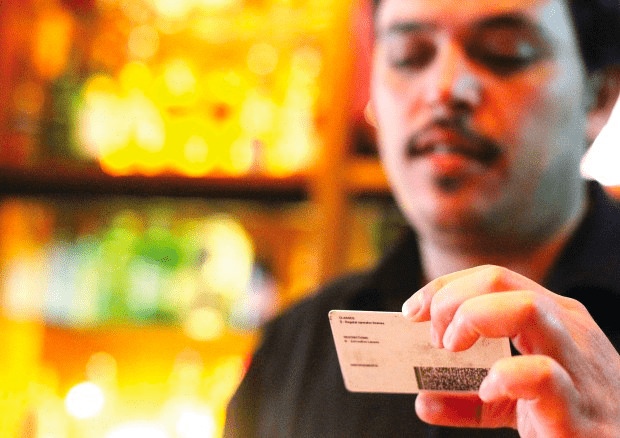
Most people think of Driver’s Licenses when they think of fake IDs, but there are actually other documents that count in that category:

  • Driver License
  • State ID
  • Social Security Card
  • US Passport
  • Birth Certificate
  • US Armed Forces ID Card
  • Foreign Visa
  • Student ID


It is illegal to produce or to possess a false or forged identification card. 

What is the penalty for getting caught with a fake ID?

The Commonwealth of Virginia is one of the strictest states about fake IDs, so it does not pay to take chances. 

If you are caught using a fake ID to buy alcohol when you are underage, you can be charged with both possessing or presenting a false ID and with unlawfully possessing alcohol, doubling the possible penalty you will be facing.


If you are caught using someone else’s ID as your own (even if the other person said it was okay), then you can be charged with a Class 6 Felony for identity fraud. This means you could do up to 5 years in jail.


Additionally, if you are convicted of possessing or using a fake ID, that conviction is never expunged from your record. Under current Virginia law, that conviction will follow you to every job application, loan application, college application, and background check for the rest of your life. 


If you are charged with identity fraud, you may have trouble ever getting a job. That’s why it is of utmost importance to work with an experienced attorney who can work to keep that off of your record, if possible. Cook Attorneys is standing by to help, with a 24-hr contact form and friendly, knowledgeable staff who can set you up with a free consultation.


To learn more about fake ID laws in Virginia, see the Virginia state code.

Buying Alcohol with Fake ID

What if I sold alcohol to a minor?

If you work in an establishment that sells alcohol in VA, your job is to be certain you sell alcohol only to people 21 or older. If you check IDs regularly, you will easily spot many fake ones. 


If you sell alcohol to a minor, you can be charged with a Class 1 Misdemeanor. This means you could face up to one year in jail and/or up to $2,500 in fines.


If you accept a fake ID, but it is such a good fake that you can’t tell, you may have a defense to a charge of selling to an underage person.  Contact Cook Attorneys to help you avoid a conviction and keep your job.


What do I do if I have been charged with possession of a fake ID in virginia?

If you or a loved one have been charged with possessing a fake ID—especially if that charge was combined with another one—you need to contact an experienced local attorney right away. Local attorneys are familiar with the courts, the judges, and the Commonwealth’s Attorney’s office, and they will be able to negotiate the best possible outcome. 


Sometimes, the best possible outcome looks like probation instead of jail time, reduced charges, or community service instead of fines. Each case is different, and we would be happy to talk to you about your options and how we can work specifically for you on a personalized basis.

Cook Attorneys has been practicing in Harrisonburg, VA for more than 20 years, and we know how to work hard on your behalf. Our fake ID lawyers can help you or your loved one each step

of the way, and can even sometimes keep you out of court. Contact us today to set up a free consultation!

Public Intoxication laws VA


Can you drink in public? Yes, you can drink in places like restaurants that serve alcohol. But the Commonwealth of Virginia, like most states, has public Intoxication laws, placing restrictions on being drunk or high in public. 


“Intoxicated” means that your actions are inhibited by alcohol or drugs. If you are intoxicated in public, you could be arrested and taken to jail until you sober up.. 


Keep reading because in this post, we will break down the law for you and explain what defenses can be used if you or a loved one face this charge.


What is the law on public intoxication?

Virginia law states that if you are arrested for public drunkenness, you can be charged with a Class 4 Misdemeanor. A Class 4 Misdemeanor means that you can be fined up to $250, and you cannot be sentenced to jail for this charge.


With a public intoxication charge, the burden of proof is on the police officer who arrests or cites you. In other words, it is up to him or her to prove two things: 

  1. You were drunk/intoxicated.
  2. You were in public.


The officer can prove the first point (intoxication) in two ways:

  1. Witnessing you behaving drunkenly (slurred speech, loss of control of movement, etc.)
  2. Administering a field sobriety test—keep reading to find out more about this.
  3. Recounting your admission that you are intoxicated or have had too much to drink.


As far as proving the second point (in public), the officer just has to prove that you could be witnessed by other people publicly. So you could be on private property (such as your own front yard)—and if you are drunk, then you can be charged. Other places considered public are restaurants, businesses, and streets/sidewalks. 


There is some gray area as to whether some places are considered “public”—for instance, hotel hallways, college dorms, and parked cars. Cook Attorneys can help you navigate the specifics of this, as well as fight charges on your behalf.

What is Public Intoxication

What Else Should I Know?

Detoxification Center

According to Virginia law, the officer who arrests you can opt to have you taken to a detox center instead of the police station. However, you cannot be detained at such a facility against your will. You can still be charged with a misdemeanor.


Disorderly Conduct

In addition to public intoxication, you can be charged with disorderly conduct. Disorderly conduct is a Class 1 Misdemeanor, which means you could be fined up to $2,500 and/or placed in jail for up to 1 year. You do not have to be drunk to be charged with disorderly conduct. Many times, the charges go together, so be sure to contact Cook Attorneys if you have any questions about this or any other charge.


Field Sobriety Test

If the officer suspects you of being intoxicated by drugs or alcohol, he or she may have you perform a field sobriety test. Here are a couple of common questions about field sobriety tests:

What is a sobriety test? This may include asking you to stand on one leg, walk a straight line, follow a moving object with your eyes, etc. It does not have to be a “breathalyzer” test.


Can you refuse a field sobriety test? Yes, you are free to decline these tests and cannot be charged for refusing to do them. However, you can still be arrested and taken into the station where you would have to submit to a breath test.


Once you are arrested and transported to the jail or police station, the officer may ask you to take a breath test. This test can be used to prove that you were intoxicated; there is no penalty for refusing this test if you haven’t been driving. 

How Can an Attorney Help?

An attorney can help you challenge the charge of public intoxication by requiring the police officer to prove that you were a) intoxicated and b) in public. If no sobriety test was performed, and the officer simply observed erratic behavior, the charge may not stick. 


Similarly, if your attorney can make the case that you were not in public, that may end up being a good defense.


If you believe that you or a loved one have been wrongfully charged with public intoxication or disorderly conduct, contact Cook Attorneys today. Cook Attorneys are experienced in the best defenses against these charges, and we can save you time, money, headache, and hassle by helping you fight them in court.


Schedule a free consultation with a lawyer who will be on your team from start to finish.

Open Container Law in VA- Most Updated


What is the open container law in the Commonwealth of Virginia? What are the potential penalties for an open container violation? What should you do if you get an open container violation on your record? In this blog post, we will be covering the most-updated information regarding Virginia’s open container law. Read along for more information. 


Open Container Law Virginia

In the state of Virginia, there is not an open container law; technically, there is no law or code directly prohibiting open containers in motor vehicles in the Commonwealth of Virginia. With that said, there are still serious considerations one must make in regards to the open alcoholic containers inside a motor vehicle. 


According to Virginia law code, it is illegal to consume alcohol while driving a motor vehicle on any public road. In that, a violation of this law can be assessed if a “rebuttable presumption” can be made that the driver was consuming an alcoholic beverage. This presumption can be made if an open container is found in the passenger area of the vehicle, if the alcohol in the open container is partially removed, and the driver exhibits signs that he or she may have been drinking. If you have questions or are found in violation of this law, contact us immediately for a free consultation, and we can help you.


Under this definition, the passenger area includes any area in reach of the driver and any area designated for passengers to sit, including an unlocked glove compartment. It does not include the trunk or the area behind the last upright seat in any motor vehicle. So, if a passenger in your car has an open container, although it is not technically illegal, a police officer can make a rebuttable presumption that you were driving a motor vehicle while consuming alcohol if you are exhibiting any signs of drunkenness. If you are unsure what constitutes consuming alcohol while driving a motor vehicle, see this blog post. 


What is considered an open container?

According to Virginia law code, an open container “means any vessel containing an alcoholic beverage, except the originally sealed manufacturer’s container”. If the original seal is broken in any way on an alcoholic beverage, it is to be considered an open container. 

open container law va

Is Open Container a Criminal Offense?


If a police officer pulls you over with an open container in your car, what criminal charges could you be facing? 

In short, having an open container of alcohol in and of itself in your car is not a criminal offense; it is when an open container is in the passenger area of the motor vehicle, the alcohol in the open container is partially removed, and the driver is found to be exhibiting symptoms of consuming alcohol that having an open container in a motor vehicle becomes a criminal offense. 

In this instance, the criminal offense is driving while operating a motor vehicle. Drinking while operating a motor vehicle is a class IV misdemeanor, which constitutes a maximum fine of $250 and no jail time. If you are found to be driving under the influence (DUI)  in addition to drinking while operating a motor vehicle, the penalties can vary depending on your DUI history; if it is your first offense, it is regarded as a Class I misdemeanor, which carries a mandatory minimum fine of $250 and a maximum fine of $2,500. 

If you or a loved one is facing criminal charges for drinking while operating a motor vehicle – or if you simply have questions about the law—call Cook Attorneys today. We’d love to speak with you!

how to get open container off record

Illegal Street Racing – What You Need to Know 2022


Street racing is illegal in the Commonwealth of Virginia. But where is it illegal? What are the penalties? Can you go to jail for street racing? And what do you do if you have been charged with this moving violation? That is what we’re covering in this blog post, so read along for all the answers.


Virginia Street Racing Rules

Virginia law § 46.2-865 states that “Any person who engages in a race between two or more motor vehicles on the highways in the Commonwealth or on any driveway or premises of a church, school, recreational facility, or business property open to the public in the Commonwealth shall be guilty of reckless driving, unless authorized by the owner of the property or his agent.”


In Virginia, “highway” means any road you can drive on that is open to public use. The law is basically stating that street racing (or drag racing) is considered reckless driving. The exception is if the road is on private property, and you have permission of the owner to race there.


Reckless driving is one of the most serious moving violations you can get in Virginia, and street racing has the added penalty of license suspension on top of that. You could also potentially lose your vehicle, but more on that later in this post.

is street racing a felony


Is Street Racing a Felony?

Street racing by itself is not a felony; it is a Class 1 Misdemeanor. However, if you are endangering people or property, or if you injure someone, it can be prosecuted as a Class 6 Felony. 


Additionally, if you end up killing an innocent bystander as a result of street racing, the charge could be vehicular manslaughter, which is a Class 5 Felony in the Commonwealth of Virginia. 


Penalties for Street Racing

Let’s break down the things that happen when you are charged with street racing. First, you will be charged with reckless driving. That charge comes with up to $2,500 in fines and up to 12 months in jail. You will also get 6 demerit points on your license for 11 years. 

For more on demerit point assessment in Virginia, see our blog post here.


Second, you will have your license suspended for 6 to 24 months. The judge decides how long the suspension is, and there is no way out of this if you are convicted. The Commonwealth of Virginia takes street racing very seriously.


Additionally, if someone was injured or if you were driving in a manner that could have injured someone, you could end up with a Class 6 Felony, which is punished by up to 5 years in prison. You could also have your license suspended for 12 to 36 months.  If the injured party dies, that prison sentence moves to a maximum of 20 years with a mandatory minimum of one year.


Finally, your car could be confiscated. If you arranged for your car to be in an illegal street race, were in the car at the time of the street race, or are convicted of street racing that is “so gross, wanton and culpable as to show a reckless disregard for human life,” (see § 46.2-865.1) then your car could be seized. The state will dispose of your car at auction, and you will not get the money for it.

what happens if you get caught street racing


What Happens if You Get Caught Street Racing

Cook Attorneys defends drivers charged with illegal street racing. Contact us immediately for a free consultation, and we can help you.


To be convicted for street racing, the police officer who gave you the ticket must prove beyond a reasonable doubt that you were street racing. If you admitted to it when you got the ticket, that is admission of guilt. Many officers will say, “Why are you street racing?” or something like that to get you to admit to it. 


While it is true that racing can include a spontaneous unplanned dash between two cars from a stop light – not just an organized drag race, two cars driving side by side fast may be guilty of speeding, not racing.  Cook Attorneys can help you decide whether it is worth fighting the charge in court.


Whether or not you decide to fight the ticket, it is a good idea to have an attorney present with you in court. A good attorney can make the case for why you should not be convicted, but in the event you are convicted, your attorney can negotiate the lowest possible consequences. 


If you or a loved one have been charged with street racing—or if you simply have questions about the law—call Cook Attorneys today. We’d love to speak with you!