The “Intimate Partner” Expansion: How Virginia’s 2026 Domestic Violence Laws May Affect Your Rights

The 2026 Virginia General Assembly session recently wrapped up, and several major new bills are now going into effect. One of the biggest shifts directly impacts domestic violence (DV) defense and firearm rights across the Commonwealth.

If you are dating, in a relationship, or even recently went through a breakup in the Shenandoah Valley, these updates could completely change how a disagreement or altercation is handled by the legal system. House Bill 19, signed into law by Governor Abigail Spanberger on April 10, 2026, has expanded the definitions that local courts use, bringing a whole new level of legal complexity to non-married couples.

Couple in argument

What is the “Intimate Partner” Expansion?

In the past, domestic assault laws in Virginia generally applied only to family members, spouses, or people who lived together (cohabitants). House Bill 19 changes that boundary entirely.

Under the new 2026 rules, the legal definition of a “family or household member” now includes intimate partners. Essentially, this means anyone you have been in a romantic relationship with within the last 12 months, even if you never lived under the same roof, never shared bills, and never got married. Because of this, physical conflict in dating relationships that might previously have resulted in simple assault charges may now be viewed through a much stricter legal lens by law enforcement and prosecutors.

Where the Definition Gets Complicated

While we mentioned the law may rely on a 12-month look-back period, lines can still easily blur. Where it can get even more complicated is a casual dating situation, an on-again-off-again relationship, or a former partner could also fit the definition depending on how a judge interprets the facts.

Because courts may look at a variety of factors to decide if this law applies to your situation, individuals who never considered themselves “family” or “cohabitants” might find themselves facing serious legal complications they did not see coming.

Why This Matters: Firearm Rights and Protective Orders

The biggest takeaway from House Bill 19 is what happens following an arrest. Certain serious legal consequences used to apply almost exclusively to married couples or live-in partners. Now, an assault allegation involving a dating partner can trigger those same consequences. These may include:

  • Potential Firearm Surrender: Depending on the specifics of your case, someone facing these expanded charges may be required to hand over their firearms while the case is pending or as a condition of a protective order or a criminal conviction.
  • Protective Orders: Juvenile and Domestic Relations Courts can now issue protective orders in cases involving dating partners, not just spouses or cohabitants. These orders can restrict you from going to certain places, returning to a shared home, or contacting the other person.

For gun owners, hunters, and residents throughout Harrisonburg and Rockingham County, this is a significant shift. A single allegation could potentially affect your Second Amendment rights before you even get a chance to state your case in court.

Smart Steps to Take If You’re Facing an Allegation

If you or someone you know is dealing with a situation involving these new guidelines, it is important to stay calm and protect your options. Here are a few practical steps to consider:

  • Pause Communication: Avoid the temptation to text, call, or try to “fix” things with the other person. It is generally best to refrain from speaking with law enforcement or investigators until you have had a chance to consult with an attorney. Statements made in the heat of the moment can easily be misunderstood or, worse, utilized against you.
  • Keep Your Records: Save text messages, direct messages, emails, and call logs. These can be crucial for establishing the actual timeline and context of your relationship.
  • Follow Court Orders Carefully: If a court instructs you to surrender firearms or stay away from a specific location, complying while an attorney reviews the validity of the order is the best way to avoid adding additional charges to your situation.
  • Talk to a Local Defense Attorney: Because these 2026 laws are brand new, navigating them requires a clear understanding of how local courts in Harrisonburg and the surrounding counties are handling these updates.

Learn More: To read more about how a defense team works to keep the process fair, check out our previous post: The Role of a Criminal Defense Attorney in Ensuring a Fair Trial.

How Cook Attorneys Can Help

The legal landscape around relationships and firearm rights in Virginia is shifting fast this year. If you are facing an investigation or an assault charge involving a dating partner, you do not have to work through these new regulations alone.

At Cook Attorneys, we help people across the Shenandoah Valley understand their options, protect their rights, and pursue the best available outcome for their situation. Reach out to us today to schedule a consultation, and let’s talk about how to handle your situation together.

This post is for general informational purposes only and does not constitute legal advice. Reading this blog does not create an attorney-client relationship with Cook Attorneys.


The Parent’s Guide: What to Do If Your JMU or EMU Student Is Charged with a Fake ID

young man talking to parents on phone

What do you do if your student, fresh into adulthood, finds themselves faced with fake ID charges?

It often starts with a late-night phone call or an anxious text. For many parents of students at James Madison University or Eastern Mennonite University, learning that their child has been charged with possessing or using a “fake ID” is a moment of significant stress.

In college towns like Harrisonburg, law enforcement and Alcoholic Beverage Control (ABC) agents are vigilant. While a fake ID might seem like a “rite of passage” to a college student, in the eyes of Virginia law, it is a serious matter that can have long-term implications for a young person’s criminal record, driving privileges, and academic standing.

If you find yourself in this position, your role as a parent is vital. Here is a guide on how to navigate the legal and academic hurdles ahead with caution and clarity.

1. Know the Laws

The initial shock may lead to frustration, but the first step is to gather the facts. Ask your child for the specific code section cited on their summons. In Virginia, “fake ID” charges typically fall under several different statutes, and the specific charge matters significantly because the conduct involved (possessing, using, making, or distributing a fake ID) can determine both the applicable statute and the severity of the charge:

  • Virginia Code § 18.2-204.1: Covers making, forging, or possessing fictitious or fraudulently altered identification documents. The conduct involved, whether your student merely possessed a fake ID or was involved in producing or distributing one, can dramatically affect how this charge is classified and prosecuted.
  • Virginia Code § 4.1-305: Covers possession of alcohol by a person under 21, and includes misrepresentation of age to obtain alcohol.

This is not an exhaustive list. Depending on the specific facts, other statutes may apply.

2. More Than a Minor Offense

It is a common misconception that a fake ID charge is equivalent to a traffic ticket. In Virginia, many of these offenses are classified as Class 1 Misdemeanors and taken very seriously. However, certain conduct, particularly making or distributing fake IDs, can rise to the level of a felony. The specific charge your student faces matters enormously.

A misdemeanor conviction could result in:

  • Significant fines.
  • A criminal record.
  • Driver’s license suspension under Virginia’s statutory framework, even if your student was not driving at the time of the offense.
  • Potential community service requirements.

Because Virginia law is stringent, this should not be brushed off as a minor “learning experience” that will resolve on its own. Students facing these charges should respond thoughtfully and understand the steps involved in protecting their record.

A note on criminal records: Virginia’s expungement laws are limited, and a conviction, as opposed to a dismissal, may be difficult to have removed from your student’s record later. This makes the outcome of the case, and how it is handled from the start, particularly important.

3. Beware More Than Just the Court’s Charges

When a student is charged, they are often facing two completely independent disciplinary processes:

  1. The Criminal Justice System: This involves the local General District Court in the jurisdiction where the charge occurred, usually in Harrisonburg. Note that if the offense occurred elsewhere, during a trip to another city, for example, a different jurisdiction’s court will handle the case.
  2. The University Disciplinary System: Both JMU and EMU have strict student conduct policies regarding the use of false identification and underage drinking.

It is important to understand that these two processes are entirely separate. A favorable resolution in court does not automatically resolve the university’s internal investigation, and vice versa. Your student may need to prepare simultaneously for criminal proceedings and a hearing before the Office of Student Accountability. The strategies appropriate for each forum may also differ, which is one reason experienced legal counsel may be valuable.

4. Don’t Rely on “Internet Law”

Students often share anecdotes about friends who “just got a fine” or “had their charges dropped.” Every case is unique, and outcomes depend heavily on the specific facts of the encounter, the student’s prior record, and the jurisdiction.

As a parent, you can provide guidance by encouraging your child to be honest with you about the details of what happened, while discouraging them from discussing the case on social media or with friends. Statements made to third parties are generally not protected by attorney-client privilege and could surface in either the criminal or university proceeding.

5. Consult a Local Attorney

Laws regarding fake IDs and underage possession are nuanced, and the stakes — a criminal record, potential felony exposure for certain conduct, license suspension, and academic discipline — are real. An attorney who is familiar with the courts in Harrisonburg will understand the local procedures and the specific programs that may be available, such as first-offender diversion programs that can, in appropriate cases, help a student avoid a conviction on their record.

An experienced attorney can help evaluate the evidence, identify potential procedural issues, clarify which charges are in play and what they actually mean, and work toward an outcome that protects your student’s future career and educational opportunities.

You can reach our team for such help at cookattornedev.wpenginepowered.com/contact.


Disclaimer: The information provided in this blog post does not, and is not intended to, constitute legal advice; instead, all information, content, and materials available in this post are for general informational purposes only. Information in this post may not constitute the most up-to-date legal or other information. Readers should be aware that statutes are subject to change and that the applicability of any law depends on the specific facts of a given situation. No reader of this post should act or refrain from acting on the basis of information in this post without first seeking legal advice from counsel in the relevant jurisdiction.

The Post-Spring Break Blues: Navigating a Public Intoxication Charge at JMU

individual lying down while hungover

Whether you spent the week on the beaches of Cabo or just hung out around the Burg, the post-Spring Break “re-entry” to JMU life is always a bit of a blur. But for many students, that blur is punctuated by a bright yellow or white slip of paper: a summons for Public Intoxication or Underage Possession.

If you’re staring at that summons today, you might think the simplest path forward is to pay the fine and move on. But before you click “pay” on that online portal, it is vital to understand the unique “Double Jeopardy” facing JMU students in 2026 and why the choices you make this week could define your record for years to come.

The “Double Jeopardy” of Harrisonburg

In a strictly legal sense, “double jeopardy” prevents you from being tried twice in criminal court for the same crime. But for a JMU student, a Drunk in Public (DIP) charge sometimes results in a second “prosecution.” You aren’t just answering to a judge; you are also answering to the university.

1. The Criminal Case: VA Code § 18.2-388

Under Virginia Law, Public Intoxication is a Class 4 Misdemeanor. While it carries no jail time, it is a criminal conviction. If you simply pay the fine, you are entering a formal plea of guilty. That conviction remains on your record permanently, appearing on background checks for internships, graduate school applications, and future employment.

2. The Administrative Case: OSARP

The Office of Student Accountability and Restorative Prevention (OSARP) typically receives reports of local arrests involving students quickly. Because local law enforcement frequently (but not always) shares arrest and summons data with the school, your off-campus actions can trigger an on-campus disciplinary process with its own unique set of consequences:

  • The “Strike” System: JMU operates on a cumulative alcohol policy. An alcohol violation often results in a “strike,” mandatory educational programs, and potential notification of your parents if you are under 21.
  • A Different Standard of Proof: Unlike a courtroom, where you are innocent until proven guilty “beyond a reasonable doubt,” OSARP uses a “preponderance of the evidence” standard. Essentially, if they think it is more likely than not that the incident occurred, you can face university sanctions regardless of what happens in court.

Risks with Different Approaches

The Risky “Wait and See” Strategy

When facing pressure from both the court and university, many students freeze. They decide to wait until their court date, which may be weeks or months away, before taking action. However, because these two systems move at different speeds, “waiting to see what happens” could mean losing your best chance to protect your future on both fronts.

Don’t Be Hasty: The “Just Pay It” Trap

Paying the fine is the fastest way to make the summons go away, but it can also be the fastest way to make the conviction permanent. Once you pay that fine, you lose your opportunity to negotiate for a dismissal in court, and you provide OSARP with a “confession” that they can use to fast-track university sanctions.

What You Sometimes Can Do Immediately

In the week immediately following a charge, you can sometimes begin proactive compliance to set yourself up for success. Taking specific steps, such as voluntary alcohol education or community service, before you are ordered to do so by a judge or OSARP shows a level of responsibility that can significantly influence the outcome.

Being proactive allows you to walk into your OSARP meeting or your court hearing with a demonstrated record of accountability rather than just an excuse. By the way, an attorney can ensure you choose the specific classes and service programs that local judges and prosecutors actually respect.

Strategic Goals: What Does a “Win” Look Like?

In a criminal case, a “win” isn’t one-size-fits-all. Our goal is to pursue the best possible outcome based on the specific facts of your encounter.

1. The Total Win: Dismissal or Not Guilty

The absolute best result is a case that ends without a conviction or any conditions. This usually happens through:

  • Legal Challenges: If the officer lacked “reasonable suspicion” to stop you or “probable cause” to arrest you, a judge may dismiss the case.
  • Insufficient Evidence: If the Commonwealth cannot prove you were “intoxicated” or “in possession” beyond a reasonable doubt, the result is a Not Guilty verdict.

2. The Negotiated Win: Deferred Disposition

If the evidence is strong, we shift our focus to mitigation. A deferred disposition is an agreement where the court “defers” a finding of guilt.

  • How it works: You may be required to complete community service or an alcohol education class.
  • The Result: If you fulfill the requirements and stay out of trouble for a set period (usually 6–12 months), the charge may be dismissed at the end. This keeps your record clean, which is the top priority for most students.

Because these ‘clean record’ paths are discretionary and require specific procedural steps, navigating them alone is risky. Early intervention by an attorney allows you to begin the correct proactive steps immediately, ensuring your efforts carry weight in the courtroom and with university administrators.

Don’t Leave Your Future to Chance

Understanding the potential “wins” in a criminal case is the first step, but securing them requires a calculated strategy. Whether we are fighting for an outright dismissal based on a violation of your rights or negotiating a deferred disposition to keep your record clean, the work begins the moment you are charged.

A single mistake during Spring Break shouldn’t define your career or your education. At Cook Attorneys, we specialize in helping students navigate the Harrisonburg court system with their futures intact.

Timing is critical. The sooner we begin building your “record of accountability” and reviewing the evidence against you, the more leverage we have at the negotiating table.


Note: This blog post is for informational purposes only and does not constitute legal advice or an attorney-client relationship. Every case is unique; please consult with a qualified attorney regarding your specific situation.

Served with a Protective Order in Harrisonburg? What You NEED To Know About Your First 72 Hours

Your Guide to Navigating a Protective Order

If you were recently released from the Rockingham County Jail or served with papers following a domestic dispute, you are likely in a state of shock. In Virginia, a domestic assault arrest (VA Code § 18.2-57.2) almost always triggers an immediate Emergency Protective Order (EPO).

In a matter of minutes, you have been barred from your home, separated from your children, and warned that a single text message could land you back in a jail cell. The next 72 hours will determine the trajectory of your case and your future.

“Do’s and Don’ts” Checklist

DO:

  • Read the entire order: Note the specific expiration date and the exact court date for your hearing.
  • Comply immediately: Even if you believe the allegations are 100% false, you must leave the residence if ordered.
  • Arrange a “Civil Standby”: If you need essentials (medicine, work laptop, clothes), call the Harrisonburg Police non-emergency line to request an officer to accompany you.
  • Document your location: Keep receipts or location data showing where you were at the time of service and afterward to prove you are following “no-contact” rules.

DON’T:

  • Send a “Closure” text: “I’m sorry” or “Why are you doing this?” are both violations of the order and can lead to immediate arrest.
  • Post on Social Media: Do not “vague-post” about the situation or the petitioner. The court will see it.
  • Hand off Firearms to a Friend: In 2026, you must follow the formal legal surrender process to avoid felony charges.
  • Wait until the hearing to get a lawyer: The evidence you gather in the first 72 hours is often what wins the case two weeks later.

1. The 72-Hour “Emergency” Window

An Emergency Protective Order in Virginia typically lasts for 72 hours (or until the next session of the Juvenile and Domestic Relations District Court).

  • No Contact means Zero Contact: This includes phone calls, texts, social media “likes,” or even having a third party “check-in” on the other person for you. In 2026, Harrisonburg prosecutors are increasingly using digital footprints (including Ring camera footage and shared cloud data) to prove violations.
  • The Exclusion Provision: You may be ordered to leave your shared residence immediately, even if your name is the only one on the lease or deed.

2. The Firearm Surrender Rule (2026 Update)

Under Virginia laws updated for 2025 and 2026, the stakes for firearm owners have never been higher.

  • 24-Hour Surrender: If you are subject to a protective order, you are legally prohibited from possessing a firearm. Under recent statutes, you may be required to surrender your firearms to local law enforcement or a licensed dealer within 24 hours of being served.
  • Felony Potential: Violating these firearm restrictions while subject to a protective order can lead to a Class 6 Felony charge.

3. The Shift to a “Preliminary” Order

Before the 72-hour EPO expires, the petitioner (the person who filed) will likely ask a judge for a Preliminary Protective Order (PPO). This extends the restrictions for another 15 days until a full hearing can be held.

This is where many people make a critical mistake. They wait until the full hearing to hire an attorney. By then, the “status quo” has been set: you have been out of the house for two weeks, and the court has already formed an initial impression of the situation.

4. Tactical Accusations & Parental Rights

In Harrisonburg, we often see protective orders used as “tactical” maneuvers in high-conflict divorces or custody battles. Because the standard for an EPO is “probable cause” (a very low bar), an order can be issued based on a single, one-sided statement.

If you do not challenge the PPO effectively, it can be extended for up to two years, which significantly damages your leverage in custody and visitation negotiations.

Why Choose Cook Attorneys?

Domestic violence cases in the Shenandoah Valley are heard in the Rockingham County Juvenile and Domestic Relations District Court. Our team knows the local procedures, the judges, and the prosecutors. We understand that there are two sides to every story, and we are here to ensure yours is heard before a temporary crisis becomes a permanent criminal record.

Don’t lose your home, your rights, or your reputation.

If you have been served with a protective order in Harrisonburg, contact us immediately.

Fill out our Contact Form here or call us today.

Caught with a Fake ID? What Students Need to Know in 2026

Caught with a Fake ID at JMU or UVA? What Students Need to Know in 2026

Whether you’re heading to “The Corner” in Charlottesville or a favorite spot downtown in Harrisonburg, a night out with friends should be the highlight of your week. But for many James Madison University (JMU) and University of Virginia (UVA) students, that night ends abruptly when a bouncer or clerk flags an ID.

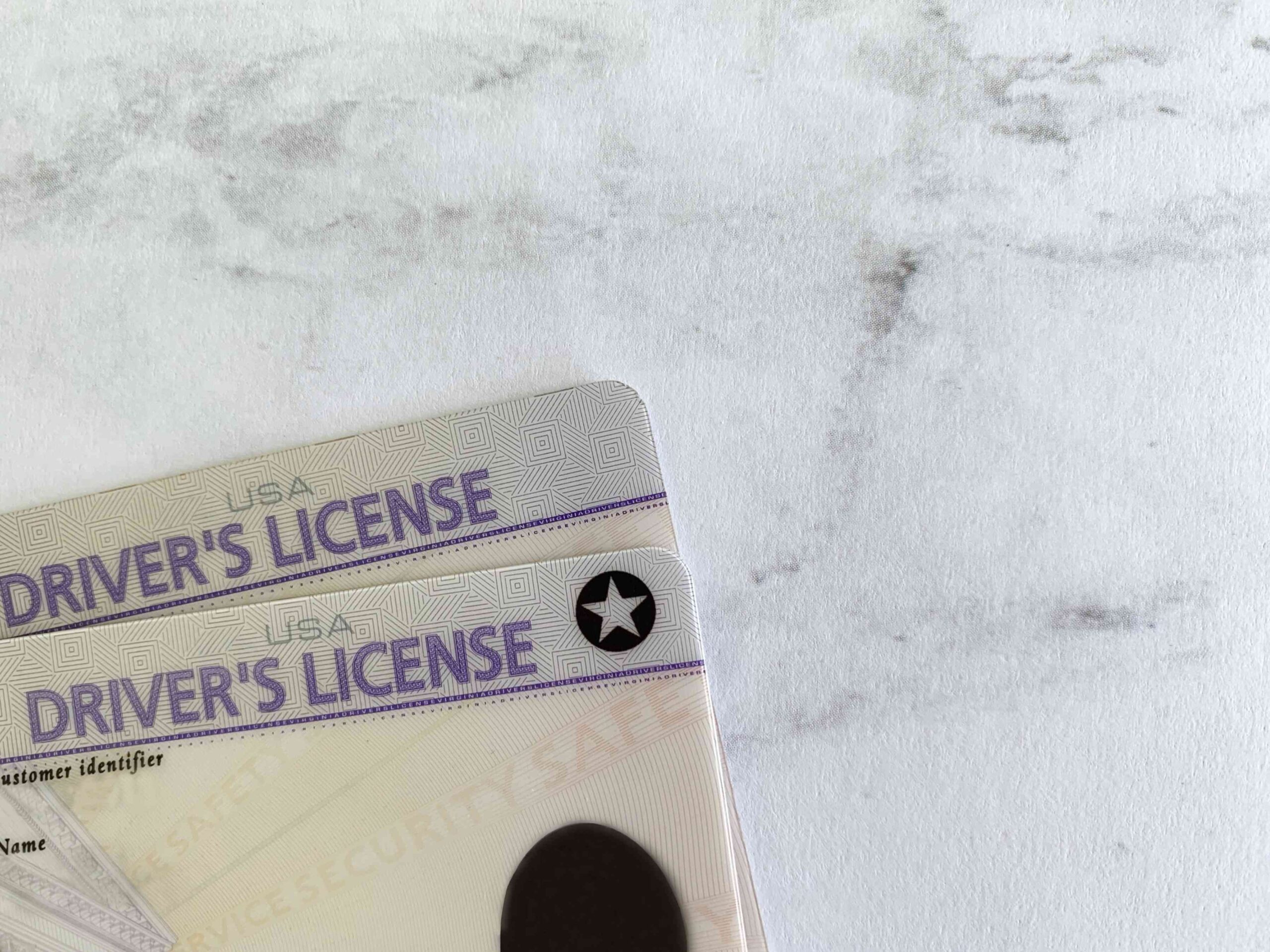
Drivers license on table


In 2026, the technology used by Virginia ABC and local establishments has become highly sophisticated. What used to be a simple confiscation and a “scolding” is now frequently a criminal summons. If you’ve been caught with a fake ID in Harrisonburg or Charlottesville, here is the legal reality of what you are facing.

1. The Legal Charges: Not Just a “College Mistake”

In Virginia, there is no “slap on the wrist” for fake IDs. Depending on the circumstances, you will likely face one of the following:

  • Possession of a Fictitious ID (VA Code § 18.2-204.2): Simply having a “simulated” license in your wallet is a Class 2 Misdemeanor. It carries a penalty of up to 6 months in jail and a $1,000 fine.
  • Using a Fake ID to Purchase Alcohol (VA Code § 4.1-305): This is the most common charge for students. It is a Class 1 Misdemeanor. If convicted, Virginia law mandates:
    • A minimum fine of $500 OR 50 hours of community service.
    • A mandatory driver’s license suspension of 6 months to one year.

2. The Courtroom Reality: Harrisonburg vs. Charlottesville

While the state laws are the same, where you are charged matters:

  • Harrisonburg/Rockingham Court: Cases are typically heard in the Harrisonburg/Rockingham General District Court on Court Square. Prosecutors here deal with a high volume of student cases and are often focused on “deterrence.”
  • Charlottesville/Albemarle Court: For UVA students, cases are heard in the Charlottesville General District Court or Albemarle County Court. These courts are notorious for their strictness regarding “Crimes of Moral Turpitude” (crimes involving lying or fraud).

3. The “Double Jeopardy” of University Discipline

A criminal charge is only the first half of the battle. Both universities have strict reporting requirements:

  • JMU Students: Your charge will likely be reported to the Office of Student Accountability (OSARP).
  • UVA Students: You may face proceedings through the University Judiciary Committee (UJC) or the Dean of Students. A conviction can result in university probation, suspension, or the loss of on-campus housing, even if it’s your first offense.

4. Your Future Career and the “Fraud” Label

In 2026, background checks for internships and post-grad jobs are more thorough than ever. Because fake ID charges involve an intent to deceive, they can be flagged as “fraud” offenses. This can be a major hurdle for students pursuing careers in law, medicine, finance, or any field requiring a security clearance.

How Cook Attorneys Can Help

Don’t let a momentary lapse in judgment jeopardize years of hard work. The team at Cook Attorneys has extensive experience representing both JMU and UVA students. We understand how to navigate the specific local courts in Harrisonburg and Charlottesville to seek deferred dispositions, reductions, or dismissals that protect your driver’s license and your future.

Facing a court date? Don’t go in alone. Secure the representation you need today. Contact Cook Attorneys via our Contact Form for a consultation.

Reckless Driving in Virginia: 5 Common Myths That Could Get You in Trouble

The holidays are here, and thousands of travelers will be making their way through Virginia on I-81 and I-95. Whether you’re heading to visit family or just passing through, there’s one traffic law you need to understand: Virginia takes reckless driving seriously—much more seriously than you might think.

Many drivers, especially those from out of state, are shocked to discover that what they assumed was a simple speeding ticket is actually a criminal charge. Virginia’s reckless driving laws are among the strictest in the nation, and misunderstanding them can lead to jail time, hefty fines, and a permanent criminal record.

Let’s clear up the confusion by debunking five common myths about reckless driving in Virginia.

Myth #1: “Reckless Driving Is Just a Speeding Ticket”

The Reality: In Virginia, reckless driving is a Class 1 misdemeanor—the same classification as DUI. It’s not a traffic infraction; it’s a criminal offense.

While most states treat excessive speeding as a civil traffic violation with a fine, Virginia elevates it to criminal status. This means you’ll be required to appear in court and, if convicted, you’ll have a criminal record. That record can affect employment opportunities, security clearances, professional licenses, and even your ability to rent an apartment.

The consequences include:

  • Up to 12 months in jail
  • Fines up to $2,500
  • Six points on your DMV record
  • Potential license suspension for up to six months
  • Increased insurance rates for years

Bottom line: A reckless driving charge in Virginia is far more serious than a typical speeding ticket. It requires the same level of legal attention as any other criminal charge.

car driver arguing with cop

Myth #2: “I’m From Out of State, So This Won’t Follow Me Home”

The Reality: A Virginia reckless driving conviction will absolutely follow you back to your home state—and the consequences can be severe.

Many out-of-state drivers assume that what happens in Virginia stays in Virginia. They think once they cross the state line, the conviction won’t affect their driving record, insurance, or criminal background. That’s dangerously wrong.

Virginia participates in the Interstate Driver’s License Compact, which means your conviction will be reported to your home state’s DMV. Here’s what that means for you:

  • Your home state will add the conviction to your driving record. Most states treat out-of-state reckless driving convictions the same as if you’d been convicted at home.
  • You’ll face points on your license. Depending on your state’s point system, this could lead to license suspension or additional penalties.
  • Your insurance rates will skyrocket. Insurance companies don’t care where you were convicted—a reckless driving conviction typically results in rate increases of 50% or more, lasting for three to five years.
  • You’ll have a criminal record. This misdemeanor conviction appears on background checks nationwide, potentially affecting employment, professional licenses, and more.

Virginia State Police are particularly active on I-81, which sees heavy interstate traffic from travelers heading up and down the East Coast. They know that out-of-state drivers often underestimate the charges, hoping they can just move on with their lives. But ignoring the seriousness of the charge doesn’t make it go away—it makes everything worse.

Bottom line: Out-of-state drivers face the same long-term consequences as Virginia residents. The conviction follows you across state lines.

Myth #3: “20 Miles Over the Speed Limit Isn’t That Bad”

The Reality: In Virginia, driving 20 mph or more over the posted speed limit automatically qualifies as reckless driving, regardless of road conditions or traffic flow.

You don’t have to be weaving through traffic or driving dangerously. The law is straightforward under Virginia Code § 46.2-862:

  • 20+ mph over the limit = reckless driving
  • Over 85 mph = reckless driving (even if the speed limit is 70 mph)

This catches many drivers off guard, especially on I-81 where speed limits are 70 mph in many stretches. It might be easy for you to find yourself at 89 mph on an open interstate, but in Virginia, that’s a criminal offense.

Even if you were keeping up with traffic or feel the speed was safe for conditions, the law doesn’t care. The threshold is absolute.

Bottom line: Virginia’s bright-line rules mean what you might feel are ‘ordinary’ highway speeds can result in criminal charges. There’s no wiggle room.

Myth #4: “I Can Just Pay the Fine Online and Move On”

The Reality: You cannot prepay a reckless driving charge like a speeding ticket. You are required to appear in court.

Because reckless driving is a criminal charge, not a civil infraction, there’s no option to simply pay a fine and have the matter resolved. You must appear before a judge—or have an attorney appear on your behalf in certain circumstances.

If you fail to appear:

  • A warrant will be issued for your arrest
  • Your license will be suspended
  • Additional charges may be filed for failure to appear

Many out-of-state drivers make the mistake of thinking they can ignore the summons or handle it remotely. Virginia courts take these charges seriously, and failing to show up will only make your situation worse.

Hiring an experienced Virginia traffic attorney can be crucial here. In some cases, your attorney may be able to appear on your behalf, saving you the time and expense of traveling back to Virginia while still fighting for the best possible outcome.

Bottom line: Reckless driving requires a court appearance. Don’t treat it like a parking ticket.

Myth #5: “It’s Easy to Represent Myself—How Hard Can It Be?”

The Reality: Representing yourself in a criminal proceeding is far more complicated than most people realize, and the stakes are too high to wing it.

Many drivers figure they’ll just show up to court, explain what happened, apologize to the judge, and hope for leniency. While that approach might work for a simple traffic ticket, reckless driving is a criminal charge. The courtroom procedures, rules of evidence, and legal arguments required are beyond what most people without legal training can navigate effectively.

Here’s what you’re up against when you represent yourself:

Virginia prosecutors know the law better than you. They handle reckless driving cases every single day. They know the statutes, the case law, and the procedural rules. You’re walking into their territory without the tools to compete.

Judges have heard every excuse. Virginia courts—especially in counties along I-81 like Rockingham, Augusta, and Botetourt—see hundreds of reckless driving cases each year. Simply showing up and being polite won’t get you far. Judges need legal arguments, procedural motions, and evidence-based defenses.

You won’t know what options are available. An experienced attorney knows when to challenge radar calibration, when to request driving school, when to negotiate for reduced charges like improper driving, and when to push for dismissal. Without that knowledge, you may accept a conviction when better outcomes were possible.

One mistake can haunt you for years. A reckless driving conviction stays on your criminal record permanently. It affects your insurance, your employment prospects, and your driving privileges. Self-representation might save you a few hundred dollars today, but it could cost you thousands in increased insurance premiums and lost opportunities down the road.

You may not be able to appear remotely. While an attorney can often appear on your behalf (especially if you’re from out of state), pro se defendants typically must appear in person. That means taking time off work and traveling back to Virginia—expenses that often exceed the cost of hiring local counsel.

The courtroom isn’t the place to learn criminal procedure on the fly. Virginia judges expect competent legal advocacy, and without it, you’re at a significant disadvantage.

Bottom line: The complexity and consequences of a reckless driving case make self-representation a risky gamble. An experienced attorney levels the playing field.

What to Do If You’re Charged with Reckless Driving in Virginia

If you’ve been charged with reckless driving in Virginia, here’s what you should do immediately:

  1. Take it seriously. This is a criminal charge, not a traffic ticket.
  2. Don’t ignore your court date. Failing to appear will result in additional penalties.
  3. Consult with a Virginia traffic attorney. An experienced lawyer who regularly practices in Virginia courts knows the local prosecutors and judges, understands the nuances of the law, and can often negotiate reduced charges or alternative sentencing.
  4. Gather evidence. Calibration records for the radar gun, dashcam footage, or GPS data may help your case.
  5. Consider the long-term impact. A reckless driving conviction stays on your record and affects your insurance, employment, and more. It’s worth investing in a strong defense.

How Cook Attorneys Can Help

At Cook Attorneys, we’ve helped hundreds of clients navigate reckless driving charges throughout Virginia. We know the local courts, the prosecutors, and what strategies work to reduce or dismiss charges.

We can:

  • Appear in court on your behalf (in many cases)
  • Negotiate with prosecutors for reduced charges
  • Challenge the evidence against you
  • Pursue dismissal where possible
  • Minimize the impact on your driving record and insurance

Don’t let a holiday traffic stop turn into a permanent criminal record. If you’ve been charged with reckless driving in Virginia, contact Cook Attorneys today for a free consultation.

Call us at 540-564-9699 or visit cookattornedev.wpenginepowered.com/ to schedule your consultation.

Traveling through Virginia this holiday season? Know the law, drive safely, and if you find yourself facing a reckless driving charge, don’t go it alone. Cook Attorneys is here to help.

Can I Still Get a Green Card with a Criminal Record?

So, is it Possible?

Can you get a green card with a criminal record? While it’s a challenging environment right now, a past mistake doesn’t guarantee your dreams are dead.

If you’re trying to get a green card—or keep the one you have—a criminal record can feel like an impossible obstacle. Maybe it was a DUI years ago. Maybe it was a misdemeanor you thought was resolved. Or maybe you’re facing charges right now and wondering what this means for your immigration status.

You’re not alone, and you’re not out of options. A green card can still be possible with a criminal record. Just maybe more difficult.

At Cook Attorneys, we’ve seen how immigration and criminal defense overlap in ways most people never expect. One mistake in court can ripple into your visa, your green card application (or current residency), or even deportation proceedings. But understanding what’s at stake—and when legal help can make a difference—is the first step toward protecting your future.

Here’s what you need to know if you have a criminal record and you’re pursuing lawful permanent residence in the United States:

  • Not all criminal convictions automatically disqualify you from getting a green card.
  • Certain crimes, like aggravated felonies and drug offenses, carry serious immigration consequences.
  • Waivers exist for some convictions, but they may require proving “extreme hardship” to a qualifying relative.
  • Timing matters: defending your criminal case with immigration consequences in mind can save your status.
  • Even expunged convictions can still affect your immigration case under federal law.

man in hoodie staring at flag in a crowd

How Criminal Records Affect Green Card Applications

U.S. immigration law divides criminal offenses into categories that affect your ability to enter, stay, or naturalize. Not all crimes carry the same weight, but the system is complicated and, at times, unforgiving.

Crimes of Moral Turpitude (CMT)

This broad category includes crimes that involve dishonesty, fraud, or intent to harm—things like theft, larceny, fraud, forgery, assault with intent to injure, and certain domestic violence offenses.

Even a single conviction for a crime of moral turpitude can make you inadmissible to the U.S. There’s a narrow exception called the “petty offense exception,” which may apply if the maximum potential sentence was one year or less, you were actually sentenced to six months or less, and it’s your only CMT conviction. But this exception doesn’t cover aggravated felonies or controlled substance offenses—and it’s not automatic. You’ll need to show you qualify.

Aggravated Felonies

Despite the name, “aggravated felonies” aren’t always violent and aren’t always felonies under state law. Under immigration law, this category includes serious crimes like murder, rape, sexual abuse of a minor, drug trafficking (even small amounts can qualify), theft or burglary with a sentence of one year or more, fraud involving more than $10,000, and certain firearms offenses.

An aggravated felony conviction makes you inadmissible and deportable—and in most cases, you cannot apply for a waiver. If you have an aggravated felony on your record, your legal options are extremely limited, and the passage of time does not erase an aggravated felony.

Controlled Substance Violations

Immigration law takes drug offenses seriously. Any conviction related to a controlled substance—except a single offense involving simple possession of 30 grams or less of marijuana—can make you inadmissible.

Even a misdemeanor drug charge can derail your green card application. Marijuana possession, though legal under Virginia law, is still illegal under federal law—and immigration cases are decided under federal law. A conviction for possession with intent to distribute, no matter how small the amount, is considered a drug trafficking offense under immigration law.

Domestic Violence and Firearms Offenses

Convictions for domestic violence, stalking, child abuse, or violating a protective order are automatic grounds for inadmissibility. So are certain firearms violations.

Even if you weren’t convicted—if you simply violated the terms of a protective order—that can still affect your immigration case. Agreeing that the facts were sufficient to convict you may also count, effectively, as a conviction.

What “Inadmissible” Really Means

When we say someone is “inadmissible,” it means U.S. immigration authorities can deny their application for a visa, green card, or reentry into the country.

Being inadmissible doesn’t always mean you’re out of options, but it does mean you’ll need to address the issue head-on—often with the help of an experienced attorney who understands both criminal and immigration law.

Deportability vs. Inadmissibility: What’s the Difference?

If you are present in the U.S. with a green card and are convicted of a crime, the issue isn’t inadmissibility. It’s deportability.

Deportable offenses include aggravated felonies, crimes of moral turpitude committed within five years of admission (if the offense carries a sentence of one year or more), two or more crimes of moral turpitude at any time, controlled substance violations, domestic violence, stalking, child abuse, and firearms offenses.

If Immigration and Customs Enforcement (ICE) believes you’ve committed a deportable offense, they can place you in removal proceedings—even if you’ve lived in the U.S. for years.

Can You Get a Waiver?

In some cases, yes. Waivers allow you to overcome certain inadmissibility grounds, but they’re not easy to get.

Waiver of Inadmissibility (Form I-601)

If you’re outside the U.S. or applying for adjustment of status, you may be able to apply for a waiver if you have a U.S. citizen or lawful permanent resident spouse or parent, and you can show that denial of your application would cause “extreme hardship” to that qualifying relative.

“Extreme hardship” is a legal standard. It’s not just inconvenience or emotional difficulty—it’s serious, documented harm that goes beyond what’s typical in immigration cases.

Waiver Eligibility Depends on the Crime

Not all crimes are waivable. Crimes of moral turpitude are generally waivable with Form I-601. Controlled substance violations (except simple marijuana possession under 30 grams) may be waivable in limited cases. But aggravated felonies are almost never waivable, and drug trafficking offenses cannot be waived.

If you’re unsure whether your conviction can be waived, talk to an attorney before you file anything. A denied waiver application can close doors permanently.

What About Expungements and Pardons?

In Virginia, you may be able to expunge certain charges or have convictions pardoned. But here’s the catch: immigration law often ignores expungements and pardons and proceeds as if the convictions still exist

For immigration purposes, an expungement may help, but it doesn’t automatically erase the conviction from your immigration record. A pardon can sometimes help with inadmissibility, but only if it’s based on innocence—not just rehabilitation.

Don’t assume an expungement solves your immigration problem. You’ll need an attorney who understands both Virginia criminal law and federal immigration consequences.

Timing Matters: Criminal Charges vs. Convictions

If you’re facing criminal charges but haven’t been convicted yet, you may still have time to protect your immigration status.

Your criminal defense attorney should understand the immigration consequences of different plea deals, fight to avoid convictions that trigger inadmissibility or deportability, and negotiate outcomes that protect both your criminal record and your immigration future.

Sometimes the difference between a conviction for “possession” and “attempted possession” can mean the difference between staying in the U.S. and deportation. The stakes are that high.

When You Need Both a Criminal Defense Attorney and an Immigration Attorney

Immigration and criminal law intersect in complicated ways. The best outcome usually requires a criminal defense attorney who understands immigration consequences and fights to protect your status in plea negotiations and at trial, working alongside an immigration attorney who can help you navigate the waiver process, adjustment of status, or removal defense.

At Cook Attorneys, we focus on criminal defense and understand how charges, convictions, and case outcomes ripple into immigration status. We work with immigration counsel when needed to protect your rights on both sides of the process.

Red Flags That Your Case Needs Legal Help

If any of these apply to you, don’t wait. You need legal help if you’re facing criminal charges and you’re not a U.S. citizen, you’ve been convicted of a crime and you’re applying for a green card, ICE has contacted you or placed you in removal proceedings, you were arrested even if charges were dropped, or you’ve already applied for a green card and received a Request for Evidence (RFE) or a notice about inadmissibility.

Immigration cases don’t get easier with time. The sooner you act, the more options you’ll have. You might be able to get a green card with a criminal record, but you’ll likely need help.

Protect Your Future Before It’s Too Late

A criminal record doesn’t have to be the end of your immigration journey—but navigating it alone can lead to permanent consequences.

If you’re facing criminal charges, applying for a green card, or worried about your status, don’t leave your future to chance.

Contact Cook Attorneys today for a confidential consultation. We’ll help you understand what’s at stake, what options you have, and how to move forward with confidence.

DUI in Virginia: What You Need to Know (Especially After Halloween)

When the costume party ends, the real nightmare can begin.

Halloween in Virginia is supposed to be fun: a night for friends, costumes, and maybe a few drinks. But every year, some celebrations end with flashing blue lights instead of candy corn.

If you’ve been stopped or charged with driving under the influence (DUI) after a Halloween party, you’re not alone. Virginia takes DUI charges seriously, but understanding your rights and the legal process can make all the difference in what happens next.

At Cook Attorneys, we help people navigate that confusion with clarity. Here’s what you need to know if your Halloween festivities turned into a legal fright.driver pulled over for DUI on Halloween

What Counts as a DUI in Virginia

Under Virginia Code §18.2-266, it’s illegal to operate a vehicle while under the influence of alcohol or drugs. The law doesn’t just look at how much you drank, it also considers how impaired you seemed.

The key thresholds for potential DUI charges are:

  • 0.08% BAC (Blood Alcohol Content) for most drivers
  • 0.04% BAC for commercial drivers
  • Any measurable alcohol for drivers under 21

Even if you “blew under” 0.08%, officers can still charge you if they believe your ability to drive safely was impaired. That’s why so many post-party stops lead to arrests even when people thought they were being careful.

Common Halloween DUI Scenarios

We’ve seen plenty of Halloween-weekend cases start out innocently:

  • You’re driving home from a costume party and get pulled over for a “minor” reason, like rolling through a stop sign or a broken taillight.
  • You stop at a checkpoint on the way home.
  • You get into a fender bender in a parking lot, and officers notice the smell of alcohol.

Any of these can turn into a DUI investigation once law enforcement suspects impairment. Field sobriety tests, portable breath tests, and chemical tests all come next.

Understanding BAC, Field Sobriety, and Refusal

BAC (Blood Alcohol Content): A test result of 0.08% or higher will usually result in a DUI charge. However, if you’re under 21 or driving commercially, the limits are lower.

Field Sobriety Tests: Walking a straight line or standing on one leg may sound easy until flashing lights and nerves are involved. These tests are subjective and often challenged in court.

Refusing a Breath or Blood Test: Under Virginia’s “implied consent” law, refusing a chemical test after a lawful arrest can trigger automatic license suspension, even before you go to court.

Penalties: The Real Scare Behind a DUI

For a first-offense DUI in Virginia, you could face:

  • Up to 12 months in jail
  • Fines of $250–$2,500
  • A 12-month license suspension
  • A mandatory ignition interlock device (you blow before your car starts)
  • Alcohol safety classes or probation

If your BAC was 0.15% or higher, or someone was injured, penalties become harsher, including mandatory jail time. Repeat offenses stack consequences quickly, and your record can haunt you long after Halloween.

First-Offender Options and Defense Strategies

Even if the charge feels overwhelming, defenses exist. Experienced attorneys look for:

  • Whether the traffic stop was legal (Did the officer have probable cause?)
  • How the tests were conducted (Were they calibrated and recorded correctly?)
  • If procedures were followed (Was your implied consent warning read properly?)

First-time offenders may qualify for diversion or restricted-license programs, depending on the details. A well-built defense can mean the difference between losing your license and keeping your life moving forward.

Protecting Yourself After a Halloween DUI in Virginia

If you’ve been charged after a night out:

  1. Don’t panic. A charge isn’t a conviction.
  2. Don’t handle it alone. Early legal advice can change the outcome.
  3. Gather information. Write down everything you remember from the stop.
  4. Show up for every court date. Missing one can make things much worse.

Cook Attorneys has guided many Virginians through their first DUI experience—helping them understand what’s ahead, what can be done, and what mistakes to avoid.

How Cook Attorneys Can Help

Our firm focuses on criminal and traffic defense throughout Virginia. We know the local courts, the prosecutors, and the process. When you come to us, you’ll get:

  • Straightforward communication. We’ll explain every step clearly.
  • Strategic defense planning tailored to your situation and goals.
  • Practical support, from license reinstatement to next-step advice.

Your case doesn’t have to become a horror story. With the right defense, you can move forward with your life.

After the Party: Get Real Help

If you’ve been charged with DUI after Halloween celebrations, don’t let fear take the wheel. Talk to someone who can guide you through what happens next.

Contact Cook Attorneys today for a confidential consultation. We’ll help you understand the charges, your options, and your best path toward a second chance.

Caught with Marijuana in Virginia? Here’s When It’s Still a Crime

Virginia’s marijuana laws have loosened, but that doesn’t mean cannabis is risk-free. Adults 21 and older can legally possess small amounts, but plenty of situations still result in criminal charges—and the consequences can be serious. If you’ve been cited or arrested, you may be wondering how you ended up with a charge in the first place. Let’s break down what’s legal, what’s not, and what to do if you’re facing marijuana-related charges in Virginia.

Disclaimer: Marijuana possession is still illegal under federal law.  If you are found with marijuana, you can be prosecuted by the feds, even in states such as Virginia. In reality, they are more likely to bring charges if you’re found with marijuana on federal property—such as a military base, a national park, or a federal courthouse—but understand that marijuana use is still a federal crime.

smoke rising from a burning marijuana blunt

Virginia Marijuana Laws Today

What’s Legal for Adults 21+

Since July 1, 2021, adults 21 and older may legally:

  • Possess up to one ounce of marijuana for personal use.
  • Share (but not sell) up to one ounce with another adult 21+.
  • Grow up to four plants per household for personal use, provided the plants are kept at a private residence, out of public view, and tagged with identifying information.

These rights are outlined under Code of Virginia § 4.1-1100.

Home Growing Rules

Home cultivation is legal, but you must follow the tagging and visibility requirements. Violations can still trigger penalties.

Sharing vs. Selling

You can “gift” marijuana within the one-ounce limit. Selling, however—even to another adult—is illegal without a license.

When Marijuana Possession Becomes a Crime

Underage Possession

Anyone under 21 caught with marijuana can face a civil penalty or misdemeanor charge. See Code of Virginia § 4.1-1105.1.

Possession Over the Legal Limit

  • More than one ounce but less than four ounces = civil penalty with a fine.
  • More than four ounces = misdemeanor or felony, depending on the amount.

Penalties escalate under Code of Virginia § 18.2-248.1.

Distribution or Intent to Distribute

It’s important to note that selling any amount of marijuana in seed OR plant form remains illegal in Virginia as of September 2025. Even though adults may grow up to four plants for personal use, those plants cannot be legally sold or exchanged as part of a transaction. Attempting to do so can expose you to distribution charges.

Even possessing with intent to distribute can be prosecuted as a crime. Police may consider factors like baggies, scales, or large amounts of cash as evidence. 

Public Use

It is illegal to use marijuana in public places—that includes sidewalks, parks, restaurants, and other shared spaces. Violating this rule can result in civil fines or criminal charges, depending on the circumstances. Public consumption remains one of the more common ways people unintentionally break the law.

Marijuana on Federal Property

Virginia law does not override federal law. Marijuana possession on federal land—such as national parks, military bases, or federal buildings—remains illegal.

Use in Vehicles

Virginia law also prohibits marijuana use in motor vehicles. Drivers and passengers cannot consume marijuana in a moving vehicle, and even having an “open container” of marijuana is illegal. If an officer believes a driver has consumed marijuana or finds evidence of recent use, that can result in charges under Code of Virginia § 4.1-1107. This is separate from DUI charges, which apply if marijuana use has actually impaired driving ability.


Possession While on Bond or Probation

Even if state law allows adults to possess small amounts of marijuana, it can still be a crime if your bond or probation conditions prohibit it. In Virginia, it’s common for judges to impose special conditions of release that ban marijuana use or possession altogether.

That means if you are out on bond awaiting trial, or serving probation for another offense, having marijuana—even within the legal one-ounce limit—can violate your terms of release. A violation is treated as a new offense and may result in your bond being revoked or probation being extended, sending you back to jail.

This is one of the most overlooked risks in Virginia marijuana law: your personal legal status (bond, probation, parole) can override the general legalization rules and expose you to criminal consequences.


car pulled over by cop

Marijuana DUI Charges

Even if you legally possess marijuana, driving while impaired by it is a serious offense. Unlike alcohol, Virginia law has no set “legal limit” for THC. Instead, police rely on officer observations, roadside sobriety tests, and sometimes blood tests.

  • Penalties mirror alcohol DUIs: Up to 12 months in jail, fines up to $2,500, and a one-year license suspension for a first offense.
  • Repeat offenses: Carry steeper fines, longer license suspensions, and possible mandatory jail time.
  • Defenses: Because THC testing is less reliable than alcohol breath tests, a skilled attorney can often challenge the evidence or the basis of the traffic stop.

Penalties for Marijuana-Related Charges in Virginia

The consequences vary depending on the violation:

Civil Fines

  • Underage possession.
  • Possessing just over one ounce.

Misdemeanor Offenses

  • Larger possession amounts.
  • First-level distribution.
  • Public consumption violations.

Felony Charges

  • Possession with intent to distribute larger quantities.
  • Repeat distribution offenses.
  • Trafficking or very large-scale possession.

Even minor convictions can impact employment, immigration status, and future opportunities.

How a Defense Attorney Can Help

Facing a marijuana charge doesn’t mean you’re out of options. A skilled Virginia criminal defense attorney can:

  • Challenge the legality of a search or seizure.
  • Argue the marijuana was for personal use, not distribution.
  • Seek reduced charges, diversion programs, or dismissal.
  • Protect your criminal record from long-term damage.

Take Action Now

If you’ve been charged with marijuana possession or distribution in Virginia, don’t take it lightly. While laws have relaxed, the penalties for violating them can still affect your life for years.

Contact our Virginia criminal defense attorneys today to discuss your case. We’ll help you understand the charges, protect your rights, and fight for the best possible outcome.

Strangulation Charges in Virginia: What You Need to Know

Strangulation charges in Virginia appear to be becoming increasingly common, especially in domestic violence cases. What many people don’t realize is that what used to be charged as simple assault and battery is now being elevated to a far more serious offense: a felony. If you’re facing a strangulation charge, it’s essential to understand the law, the consequences, and your rights.

man's hands in a position of desperation

What Constitutes Strangulation Under Virginia Law?

Under Virginia Code § 18.2-51.6, strangulation is defined as knowingly and intentionally impeding the normal breathing or blood circulation of another person by applying pressure to the neck, resulting in bodily injury. This is considered a Class 6 felony, even if the injury seems minor.

The term “bodily injury” doesn’t require visible bruises or marks. Courts have upheld convictions based on symptoms like dizziness, trouble swallowing, or momentary loss of consciousness. This makes it easier for the charge to be applied, even in cases where no physical evidence is visible.

Strangulation vs. Assault and Battery

In Virginia, assault and battery is typically a misdemeanor. However, once the allegation includes strangulation, it is treated as a separate and more serious crime. Law enforcement and prosecutors take these cases seriously due to the potentially lethal nature of strangulation.

If you’re accused of domestic violence, and the report mentions anything resembling pressure to the neck, the charge could escalate quickly. Understanding this distinction is crucial for building a proper defense.

Legal Penalties for Strangulation in Virginia

Strangulation is classified as a Class 6 felony in Virginia. If convicted, you could face:

  • 1 to 5 years in prison
  • Fines up to $2,500
  • A permanent criminal record
  • Loss of employment or professional licensing
  • Immigration consequences for non-U.S. citizens

Because this charge can follow you for life, it is vital to speak with a strangulation defense attorney in Virginia as soon as possible.

Common Scenarios Leading to Strangulation Charges

Many strangulation cases arise from domestic disputes, but not all are clear-cut. Some common scenarios include:

  • Heated arguments escalating into physical contact
  • Allegations during divorce or custody battles
  • Misunderstandings during consensual physical interaction
  • False accusations driven by emotional or legal motivations

No matter the situation, a strangulation charge is serious. If you’ve been accused, take the allegation seriously and secure legal representation immediately.

Defense Strategies Against Strangulation Charges

An experienced criminal defense lawyer will evaluate multiple angles to build your defense. Some strategies may include:

  • Disputing the presence of “bodily injury”
  • Arguing lack of intent
  • Introducing contradictory witness statements
  • Presenting expert testimony on the nature of injuries

Because the evidence in strangulation cases often hinges on testimony and subjective symptoms, the right legal strategy can make all the difference.

Steps to Take If You’re Accused

If you’re facing a strangulation felony in Virginia, here’s what you should do:

  1. Do not speak to police without a lawyer.
  2. Avoid all contact with the alleged victim.
  3. Gather any documentation or evidence that could support your case.
  4. Contact a criminal defense attorney immediately.

Time is critical in these cases. The sooner your defense is built, the better your chances of reducing or dismissing the charge.

Why Choose Cook Attorneys

At Cook Attorneys, we have extensive experience defending clients charged with domestic violence strangulation charges in Harrisonburg and across Virginia. We understand how assault and battery strangulation cases are handled in local courts, and we know how to navigate both the legal and emotional complexities involved.

Our attorneys listen, prepare, and fight for your rights—because your future matters.

Final Thoughts

Being charged with strangulation is serious. It can affect your freedom, your family, your job, and your future. But you don’t have to face it alone.

If you or someone you know has been accused of strangulation or any form of domestic abuse involving assault and battery, call Cook Attorneys. We’ll walk you through your options and build a defense tailored to your situation.

Need a strangulation defense attorney in Virginia? Call us today for a confidential consultation.