How Much is a Ticket for Following Too Closely in VA – And Other FAQs


Can you get a ticket for “following too closely”? How do the police determine how close you were following? Can you pay the ticket, or do you have to show up in court? Is following too closely a moving violation? How do you fight a following too closely ticket?

Read along to find out all you need to know about the following too closely Virginia law.
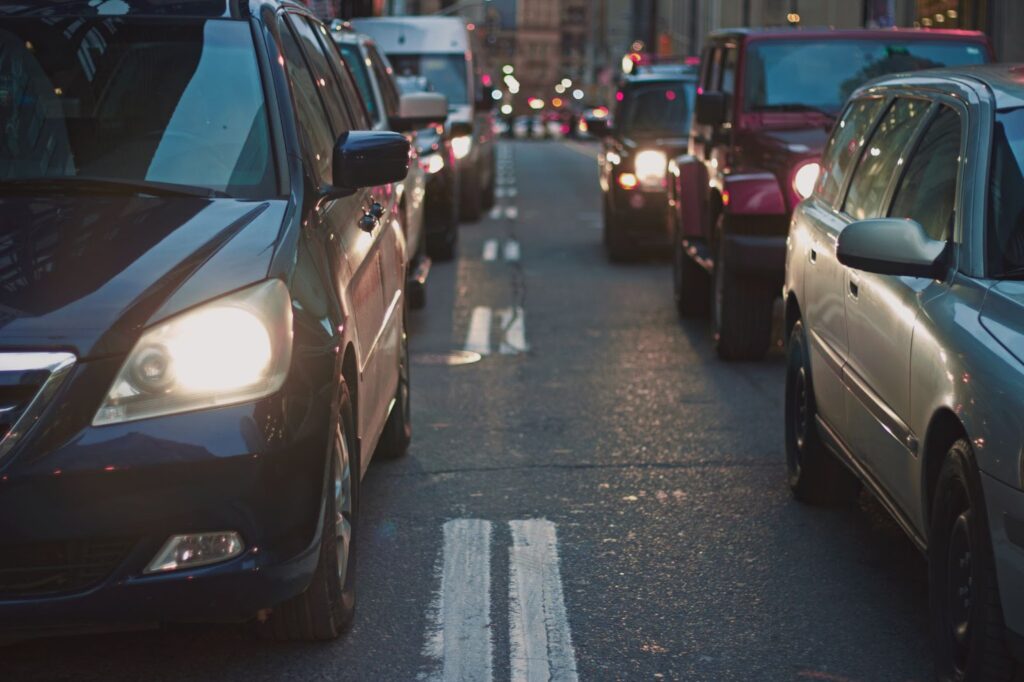
va code following too closely


The Basic of the “Following Too Closely” Law Virginia

Following too closely is considered a moving violation, and you can get a ticket for it in the Commonwealth of Virginia. The VA code “Following too closely” states, 


The driver of a motor vehicle shall not follow another vehicle, trailer, or semitrailer more closely than is reasonable and prudent, having due regard to the speed of both vehicles and the traffic on, and conditions of, the highway at the time.


Most commonly, this ticket is issued after an accident to the car who has rear-ended another vehicle. The police may or may not have witnessed the accident; the officer simply issues it based on what he or she can see of the aftermath.


How much is a ticket for following too closely? 

Usually, it is $30, and you can pay it online. You will get 4 demerit points on your license, and paying it is an admission of guilt. But if you are not concerned about either of those things, you can certainly pay the $30 online and be done with it.


However, it is possible that you cannot afford the demerit points, or you are wary of admitting guilt if you consider yourself to be innocent. (For more on DMV demerit points in Virginia, see our blog post here.)


If you have a Commercial Driver’s License (CDL), this particular violation is considered a Serious Violation. If you get two or more Serious Violations in a 3-year period, your license will be suspended for 60 days, regardless of whether you were driving a commercial vehicle or not. If you get three or more Serious Violations in a 3-year period, your license will be suspended for 90 days.


Should you choose to fight the following too closely ticket in court (more on how to do that later), you could end up having the charges dismissed. Or, on the other hand, you could end up with the judge finding you guilty and fining you more than the $30; judges are allowed to assess a fine of up to $250 (or $500 if you were in a safety corridor when you were cited). 


Should you choose to pay the ticket up-front, you should know that you are admitting guilt. If the other party chooses to file civil charges against you, it will then be difficult to say, “But it wasn’t my fault.”


For these reasons, it is very important to talk with an attorney before you decide whether to pay the ticket or fight it in court. Cook Attorneys offers free consultations for traffic defense cases, so contact us today to set up a time to chat.

following too closely virginia


Traffic Accident Cases and Defenses for Following Too Closely

In most cases, the police officer shows up to the scene of an accident after the fact and issues citations that he or she believes were appropriate. However, just rear-ending someone is not proof that you were following too closely.

If you do choose to fight the ticket in court, the police officer must prove beyond a reasonable doubt that you were the one in error. If he or she cannot, you cannot be liable for the ticket or the demerit points. 

In these instances, dashcam footage and eyewitness testimony go a long way to making or breaking your case. When you talk with your attorney, they will ask if there is dashcam footage or any witnesses.


How to Fight a Following Too Closely Ticket

If you have received this kind of ticket, an experienced traffic defense attorney, like the ones at Cook Attorneys, can seriously help your case. In the free consultation, they can explain your case, your options, and your path moving forward.

A lawyer can also represent you in court and speak to the judge and the prosecuting attorney about your case. He can argue on your behalf and work to get you an acquittal. If you are found guilty anyway, your lawyer will argue for you to receive the lowest possible fines or penalties.

Even if your case has already been heard, and you are not happy with the outcome, it may not be too late to contact a lawyer. Lawyers can file a Motion to Rehear the case and accompany you to the rehearing to get the best possible outcome for you. They can also help you appeal, if that is a better option for your case.

Can You Reschedule a Court Date If You Miss It? Here is What to Do


What happens if you fail to appear in court for a criminal or traffic charge? You could face further penalties, have a warrant issued for your arrest, or be sentenced in your absence. Read along to find out what to do if you miss a court date and whom to contact. 


What happens if you fail to appear in court for a criminal or traffic charge? You could face further penalties, have a warrant issued for your arrest, or be sentenced in your absence. Read along to find out what to do if you miss a court date and whom to contact. 


Common Causes of Missing a Court Date

People give all kinds of reasons for missing their court dates. Here are some of the common ones:

  • Family emergency
  • Work schedules
  • Had the wrong date written down
  • Never got the notice of the court hearing
  • Traffic delays or car problems

Depending on the circumstances, the court might not care why you missed a court date. You could be going into labor at your mother’s funeral, and the court could still issue a warrant for your arrest because you failed to appear.


The best thing to do is to hire an attorney who can be there with you and present a good case on your behalf of why you are not there. As soon as you realize you will be missing the court date, call your attorney and let them petition the court for you.

If you realize that you already missed a court date (like if you thought it was today, but it was yesterday), call an attorney immediately to find out what your next steps are; they will know what to do. They may be able to simply reschedule the hearing or you may need to turn yourself in on a “failure to appear” charge.

can you reschedule a court date if you miss it

What Happens If You Miss a Court Date

If you are supposed to appear as a witness, you will be subpoenaed.  A subpoena is a court order to appear at a certain date and time, and failure to obey the subpoena can result in a criminal charge.  

It will also affect the case if you are not there because at least one party believes you hold information critical to the case.


If you are the defendant, and you do not appear, the judge can issue a “Failed to Appear” (FTA). This is also known as a capias or a bench warrant, which means the judge issues a warrant for your arrest from the judge’s bench.  Failing to appear is a separate and additional criminal offense.

If you fail to appear in court for a simple traffic ticket, you will most likely be found guilty in your absence and will receive a bill in the mail ordering you to pay the fine.

That is what happens if you miss a court date. Let’s turn now to what to do if you miss it.

What to Do if You Miss a Court Date

The first thing you should do when you realize you have missed your court date (or when you realize you will miss it due to traffic or another circumstance beyond your control) is call your attorney. If you do not have an attorney for the charge, get one!

Cook Attorneys can advocate for you with the court, to get your hearing rescheduled or to ask the judge to remove the warrant so that you can show up in court on another date. Cook Attorneys can also direct you on the next steps. Contact us today if you are still trying to figure out where to go from here. We can help!

If you choose to call the court without the assistance of an attorney, ask for another date and see if they can accommodate you.  If the court has already issued a warrant for your arrest, the clerk will direct you to turn yourself in to the sheriff’s department.  

Can You Reschedule a Court Date if You Miss It?

If you know ahead of time that you will not be able to make it to court on the date you have been ordered to appear, you or your attorney can petition to move the hearing to a different date. Depending on the nature of the charge, the court is usually accommodating for a first request to postpone a case.  Subsequent requests may be viewed with suspicion.  

However, if you missed the court date altogether, you are at the mercy of the court for rescheduling, and they do not have to grant your request for a rehearing or a second chance.

If you missed your court date, call a lawyer immediately and get them to advocate for you. Cook Attorneys has decades of experience in Virginia courts, and we will be happy to help you.

Revoked License – What You Need to Know in 2022


So your license was revoked. What do you do now? Is it as simple as reapplying for a new license? Is it more complicated than that? We answer these questions about revoked licenses (and even a few about suspended licenses while we’re at it). 


What does “revoked license” mean?

It means basically what it says—that your license has been revoked, or taken away. You are no longer allowed to legally drive a motor vehicle.


In the Commonwealth of Virginia, there are many reasons someone could have their license revoked:

  • Pretending you are someone else on a driver’s license test (or taking it for them, basically)
  • Trying to renew someone else’s license
  • Lying on the driver’s license application
  • Making bomb threats anywhere (not just the DMV)
  • Getting 3 demerit points on one’s record before one is 18 years of age
  • Drug convictions, whether or not they are related to driving/using a motor vehicle
  • Certain traffic violations, including but not limited to:
    • DWI/DUI
    • Driving with a suspended license (more on that later)
    • Killing someone (on purpose or on accident) while driving a motor vehicle
    • Committing a “hit and run”
    • Committing a felony violation with a motor vehicle

what does revoked license mean

Can I drive with a revoked license in Virginia?

No, you may not. You do not have a valid license. However, you can be convicted of the crime of driving on a revoked license if the officer can prove that:

  • You were driving a motor vehicle (not just sitting behind the wheel in a parked car, for instance).
  • Your driver’s license was indeed revoked.
  • You actually knew your license was revoked. (There are certain ways in court to prove that you knew that your license was revoked; one of these is verbal admission that you knew, so never admit anything like that before talking to your lawyer.)


If you have been cited or arrested for driving with a revoked license in Virginia, call an attorney immediately. Cook Attorneys will personally review your case and make specialized recommendations. 

We will walk with you from the time you call to the time you go to court, on your side each step of the way.


What’s the difference between revoked and suspended licenses?

A suspended license is one that has been temporarily taken until such a date as the courts determine. Usually, there is a clear date that your license will be reinstated as long as you file the right paperwork, meet the qualifications set by the court or DMV, and pay the fees.


A revoked license is one that has been canceled entirely. To get a new license, you must start the application process over from the beginning after you have met the criteria for reinstatement.


Other FAQ’s:

  • When can my license be canceled or revoked? 

Your license can be canceled if you do illegal things to get it canceled, such as the things on the list at the beginning of this post. “Canceled” for legal purposes is the same thing as suspended or revoked. There is no separate category for canceled licenses.

  • When is your driver license considered void and terminated? 

If your license has been revoked, it is considered void, and your driving privileges have been terminated. This is not always a bad thing; for instance, if you have epilepsy or blindness, your license may be revoked and your driving privileges terminated. It does not always mean you have done something wrong.  But if your license is revoked it is a good idea to obtain a Virginia ID card from DMV.

  • Can a revoked license be reinstated?

In some instances, yes. The court may place certain criteria on getting it reinstated. For instance, if your license was revoked for multiple DUI offenses, the court may require evidence of rehabilitation before granting limited driving privileges.


What is the penalty for driving with a suspended or revoked license?

The first time you are caught driving with a revoked license, you will be charged with a Class 1 Misdemeanor. 

This means that you could be fined up to $2,500 and/or sentenced to up to 12 months in jail. You will also get 6 DMV demerit points on your records for 11 years.


The second time you are caught, your vehicle may be impounded if your original revocation was due to:

  • An alcohol-related offense
  • Habitually committing this same offense.

The third time, you will spend at least 10 days in jail. This can be mandatory.


For more details about driving with a revoked license, see Virginia Code §46.2-301.


How can I get help with these charges?

Call Cook Attorneys to get help if you have been arrested for driving on a revoked license. Our attorneys are very experienced in this charge, and we can help you get the best possible outcome for your case. 

Don’t hesitate; set up a free consultation today! Contact us at cookattornedev.wpenginepowered.com/#contact to get started.


Is Stealing Alcohol a Felony – And Other Related Crimes


Is stealing alcohol a felony? What counts as stealing? What if I am underage and am caught with alcohol? How long does shoplifting alcohol stay on my record? We answer these questions and more, so read along and find out!

criminal violations of alcohol related law

CATEGORIES OF ALCOHOL LAWS

Generally speaking, there are three broad categories of laws in Virginia involving alcohol, with a fourth (bonus!) category.


Consuming Alcohol

  • You must be 21 to consume alcohol in the Commonwealth of Virginia.
  • You cannot drive if you are intoxicated or your Blood Alcohol Content (BAC) is 0.08% or higher.
  • You cannot consume alcohol in a public place not licensed by the state to serve alcohol.

Buying Alcohol

  • You may buy alcohol in restaurants and stores licensed by the state to sell it. 
  • To purchase anything in Virginia other than beer or wine such as spirits or liquor, you must buy it from a state-owned liquor store.

Serving/Selling Alcohol

  • You cannot sell, serve or otherwise provide alcohol to minors (under 21) with certain exceptions.
  • You cannot serve alcohol at a public event unless you qualify for and have purchased a special license from the state.
  • Only a state-owned liquor store can sell spirits (alcoholic beverages stronger than beer or wine).

BONUS: Stealing Alcohol

  • If you steal alcohol valued up to $999, you can be charged with a Class 1 Misdemeanor (which comes with up to a $2,500 fine and up to 12 months in jail).
  • If you steal alcohol and the value is $1,000 or more, you can be charged with Grand Larceny, a felony (which comes with a sentence of 1 to 20 years in jail and/or a fine of up to $2,500). 
  • If you steal alcohol as a minor, you can be charged and brought before a Juvenile and Domestic Relations Court judge.  In addition to being ordered to pay restitution, you may be placed on probation, ordered to perform community service, sent to an alcohol education program, and, in the case of repeat offenders, sent to the juvenile detention center for a few weeks. 


LONG-TERM CONSEQUENCES OF ALCOHOL CRIMES

How long do alcohol related charges stay on a driving record? What about your criminal record? In the Commonwealth of Virginia, misdemeanors and felonies will stay on your record forever. Additionally, there may be other consequences to alcohol-related crimes.


Stealing/Shoplifting Alcohol

If you are convicted of theft of alcohol, you may encounter consequences beyond jail and/or a fine. You may be subject to court fees, be required to pay back what you stole (provide restitution), be banned from the place you stole from, lose out on certain job opportunities, not be permitted to apply to certain schools, and/or be prohibited from joining the military.  If you are not a U.S. Citizen, there may be additional and drastic immigration consequences depending on your immigration status.


DUI/DWI

How long does a DUI stay on your record in VA? It takes years for the legal consequences of a DUI/DWI conviction to go away, but they will go away–eventually. 

For a first offense, you will be on probation and lose your license for at least a year, you will be required to attend alcohol education classes, you will get demerit points on your driving record, and your car insurance premiums will be higher. For second or subsequent offenses, the consequences, of course, are steeper.  A DUI also can have serious consequences for some immigrants, especially those issued work permits under DACA.


Underage Drinking

Since this is a Class 1 Misdemeanor, you could face jail time, a fine of at least $500, and also community service, probation, and losing your driver’s license.  If this is your first charge, the judge may give you ‘first offender status’ which can result in a dismissal if you complete an alcohol education program, community service, and probation. 

how long do alcohol related charges stay on a driving record

OTHER ALCOHOL CRIMES: FACTS AND FIGURES

We certainly have not covered every alcohol-related crime, but we have hit the most common ones. Here are some more links, facts, and tips about alcohol-related crimes.

Things to Know about Being under 21 and Possessing Alcohol

You are allowed to drink under 21 if your parents are home and approve. You also are allowed to deliver alcohol if it is part of your job–as a waiter, for example. If you are a police officer under 21, you can handle alcohol as part of your job. 

To learn more about underage drinking in Virginia, see our blog post.


DUI/DWI allowed BAC

If you are 21 or over, you can get a DUI if you are caught driving with a BAC of 0.08% or higher. If you are under 21, that amount goes down to 0.02% or higher. 

To learn more about the impact of a DUI conviction, see our blog post.


DUI/DWI on a boat what is worse: DUI or DWI

The same laws that apply to the road and alcohol consumption also apply to boating. You are also not allowed to drink and operate a boat and can be pulled over by water police for doing so. You may face reckless boating charges in addition to drinking charges.


GET HELP FROM AN ATTORNEY


The lawyers at Cook Attorneys have decades of experience helping people with criminal violations of alcohol-related law. We would love to talk to you about your case during a free consultation. Contact us today to get started getting the best possible outcome!


How to Find Out if Charges Were Filed Against You


You may find yourself in a situation where you think charges have been filed against you. 

Who should you call? What should you know? 

Where should you go for help? At what point should you get a lawyer involved? 

Read on to find all the answers to these questions and more, including how to know if someone pressed charges against you.

How to find out if charges were filed against you

PRE-CHARGE PROCESS

Many people aren’t caught in the act of committing a crime. Our clients are often charged after an investigation. What usually happens is, 

  1. A crime is reported to the police.
  2. The police investigate the report, collecting evidence and witness statements.
  3. The police identify a suspect(s).
  4. The police sometimes consult with a prosecutor who will determine what charges will be brought and against whom.
  5. The police obtain the appropriate warrants and make an arrest.
  6. The arresting officer takes the accused before a magistrate who makes an initial bail determination.


If you think or know that you may be a suspect in an investigation or are in danger of being charged with a crime, contact your local criminal defense attorneys immediately, even if you haven’t been arrested or charged. 

The value of getting an excellent defense lawyer, even early in the process, cannot be overstated. People with lawyers are more likely to make better decisions that can make an enormous difference in the case’s ultimate outcome.

If you are called into the station to answer questions, or if the police show up at your door to ask questions about an investigation, politely inform the police that you would like to speak to them only when a lawyer is present. The police will not find this offensive; in fact, they would inform any of their family members to do the same. 

Innocent people believe that if they just talk to police things will get straightened out. That is usually not the case. Innocent people especially need to invoke their right to counsel. The legal system is designed to convict people and that too often includes the innocent.

Call a lawyer right away, and your lawyer can accompany you to the interrogation. An experienced lawyer will know what you should and should not say and will help you to avoid making the situation worse.

If you are in Virginia and you think you may be a suspect in a case, call Cook Attorneys. The earlier you get us involved, the better your outcome will be—and the more informed you will be along the way. 


HOW TO TELL IF THE POLICE ARE INVESTIGATING YOU

A police car that is stopped in the street with it's light on.

Let’s say you do think you may be a suspect in a crime. Do you know how to tell if the police are investigating you? There are probably clues around you. You might be a suspect if:


  • a police officer shows up at your house to question you
  • a police officer starts questioning your family
  • a police car (marked or unmarked) starts hanging around your house or the place(s) you frequent
  • you have a new strange follower on social media


Again, this is an excellent opportunity to call a criminal defense lawyer. They can call the appropriate department, talk to the right people, and attempt to find out the status of the investigation or whether criminal charges have been filed against you.

Remember, if the police are asking you questions, you have the right to remain silent. 

This does not mean that you shouldn’t speak at all. If you choose to exercise your right to remain silent, you should inform the police officer or detective who is arresting or questioning you. Simply say, “I want my lawyer.”  Many officers will try to get you to answer questions even after invoking your right to counsel.  Stand strong.

A lawyer can call the police and the potential prosecutor and speak with them professionally. Sometimes, they can even convince them not to file charges.

But if you call the police before you are charged, you can be tricked into giving up information, coming into the station without a lawyer, or saying things that can be used against you.

It is important to note that police officers and detectives are not required to tell you the truth about your case; they will intentionally mislead you to get the information they want/need to build a case against you. 

A lawyer can help you avoid that. As the best criminal lawyers in Virginia, Cook Attorneys is standing by to offer a free initial criminal defense consultation.


HOW CAN I FIND CHARGES FILED AGAINST ME?

You might be thinking, “How do I know if I have been charged with a crime?” You will know that charges were filed against you when you are formally arrested or handed a summons that lists the charges against you. Until you are formally notified, there is no way for the general public to learn of the charges. Police officers, however, have access to a database that can advise them of pending charges not yet served.

While you could present yourself to local law enforcement to inquire about pending charges with the expectation that you could be arrested on the spot, it is better to work with a local criminal defense attorney who can make the appropriate inquiries and offer legal advice along the way.

WHY SHOULD I CALL A LAWYER?


a lawyer helps check for charges against you


If you think charges may have been filed or are coming, you shouldn’t call the police yourself to find out about the charges. Police officers will likely tell you to come into the station where they will arrest you and then interrogate you to try to get you to make incriminating statements.  

Lawyers know how to find out if criminal charges are filed. So what happens if someone presses charges on you? If it turns out that you are being charged with a crime, a good defense lawyer will stand up for you and your rights. He or she can help you know what to say and not say to the police and in court. A good local criminal defense attorney will help you make good decisions right from the beginning.

Cook Attorneys in Harrisonburg, VA have extensive experience helping people like you navigate the legal system. With our decades of experience and our passion for helping clients like you, we are the best choice for you, regardless of where you are in the process. 

For a free consultation with the best criminal defense lawyers around, contact Cook Attorneys today. 


Fill out the form below to request more information about how we can serve you. We look forward to hearing from you!

Hunting Laws in Virginia: Some Highlights


Hunting in some form is legal in all 50 states. Just like with most states, the Commonwealth of Virginia has rules governing permits, locations, safe practices, and much related to hunting. 


LICENSES

hunting in virgina

[seadev_quote id="hunting-laws-in-virginia" cite="https://cookattorneys.com/hunting-laws-in-virginia/?hunting-laws-in-virginia%22]Virginia law states that in order to go hunting in Virginia, you must:

  • Obtain a hunting license in Virginia.
  • Carry it with you when you hunt; it can be paper or electronic.
  • Show it to any officer or landowner (whose property you are hunting on) who asks to see it.[/seadev_quote]


If you are 12-15 years old or obtaining a license for the first time, you must also complete a hunter education course. 


Here is what happens if you get caught hunting in Virginia without a license: you will be required to…

  • Pay a fee equal to the cost of the license.
  • Pay up to $500 in fines as decided by the judge.
  • Purchase a license before hunting again.


The offense is a Class 3 Misdemeanor and will remain on your record. If you purchase a hunting license before going to court, the judge is not allowed to let you off the hook with the fines/charge; the law requires the punishment be carried out regardless.


If you are caught hunting in Virginia without carrying your license, or if you cannot provide it to any officer who asks for it, that is a Class 4 Misdemeanor and will remain on your record. The fine is up to $250 as determined by the judge.


SAFETY LAWS

There are three major safety hunting laws in Virginia. They deal with:

  • Hunting under the influence of drugs or alcohol
  • Reckless handling of firearms
  • Blaze color requirements


Hunting under the influence of drugs or alcohol

Is it illegal to drink while hunting? No, but proceed with caution: it is a Class 1 Misdemeanor if you are convicted of hunting while under the influence of 

  • alcohol 
  • drugs (including legal narcotics) 
  • a combination of alcohol and drugs 


A Class 1 Misdemeanor is punishable by up to $2,500 and up to 1 year in jail. Check out this Virginia hunting law for the complete list of weapons prohibited while under the influence.


Reckless handling of a firearm

The law states that it is a Class 1 Misdemeanor for “any person to handle recklessly any firearm so as to endanger the life, limb or property of any person.” 

If you handle a firearm recklessly and injure or impair someone permanently and significantly, you will be charged with a Class 6 Felony.


A Class 6 Felony is punishable by up to $2,500 and up to 1 year in jail OR 1 to 5 years in prison. Check out the law for further information, including rules about license revocation for reckless handling of firearms.

virginia hunting regulations


Virginia blaze orange requirements

In order to be visible to other hunters, anyone hunting during deer season must wear blaze orange or blaze pink. The Virginia hunting regulations state:


During any firearms deer season […] every hunter and every person accompanying a hunter shall 

(i) wear a solid blaze orange or solid blaze pink hat, except that the bill or brim of the hat may be a color or design other than solid blaze orange or solid blaze pink, or solid blaze orange or solid blaze pink upper body clothing that is visible from 360 degrees, 

(ii) display at least 100 square inches of solid blaze orange or solid blaze pink material at shoulder level within body reach visible from 360 degrees, or 

(iii) when hunting from an enclosed ground blind, display at least 100 square inches of solid blaze orange or solid blaze pink material visible from 360 degrees attached to or immediately above a blind.


Anyone not following these laws is subject to a $25 fine. There are some exceptions to this rule; check out the law for the complete list.


REVOCATION OF LICENSE

The first time you are found guilty of violating VA hunting regulations, you pay the penalty fee or serve the time. But if you are found guilty of violating a hunting law twice within three years, you will be prohibited from hunting or obtaining a new license for 1 year. At the court’s discretion, that can be extended up to 5 years.


If you are caught hunting, fishing, or trapping while you have been banned from doing so, the court will find you guilty of a Class 2 Misdemeanor and may extend the ban for 1 to 5 years longer. 

A Class 2 Misdemeanor means you will be sentenced with a fine of up to $1,000 and/or up to 6 months in jail.


PRIVATE PROPERTY

Not all private property is authorized to be hunted on. According to Virginia Law, “any county may prohibit the outdoor shooting of firearms or arrows from bows or arrowguns in any areas of the county which are in the opinion of the governing body so heavily populated as to make such conduct dangerous to the inhabitants thereof.” To find out the restrictions in your county, check out Virginia’s Local Firearms Ordinances (these ordinances are for 2024-2025).

Hunting on someone else’s land in Virginia

Some private property owners allow hunting on their grounds, some do not, and some allow it only in certain places. Before you go hunting on private property in VA, you should be absolutely sure it is allowed. 


If you hunt on private property where it is clearly labeled that hunting is prohibited, then you could be found guilty of a Class 1 Misdemeanor. If you hunt on property where it is not labeled, you could pay a fine of up to $500.


If you are hunting by special permission on private property, it’s a good idea to keep written permission (hard copy or electronic) on you just in case anyone questions your right to be there.


Hunting on your own land in Virginia

But what if it’s your own property? You might be thinking, “Can I shoot a gun on my property in Virginia?” The answer is “yes,” as long as it is in a secluded location, and you and the target are more than 100 feet from any occupied structure. 


Another question we hear is, “Do you need a hunting license to hunt on your own property?” or, “Can you hunt on your own land?” Yes, you can hunt, game, fish, and trap on your own property without a license.  However, you must still follow hunting regulations and seasons even while hunting on your own property.


can you hunt on your own land in Virginia?


OTHER RULES & REGULATIONS

For a comprehensive list of other hunting rules and regulations, including hunting hours, the answer to “Can you hunt on Sunday in VA?”, and hunter education requirements, see the Virginia Department of Wildlife Resources. 


CONCLUSION

From the sheer amount of Virginia hunting regulations, you can tell the Commonwealth takes it seriously. You should always do your best to follow all the laws, but if you are caught or charged with breaking hunting laws, don’t hesitate to contact Cook Attorneys today. 

We have local defense attorneys standing by, and we offer free consultations. Visit our website or fill out the form below to schedule an appointment today.


Virginia Marijuana Laws & Penalties 2021


Effective July 2021, Virginia updated their laws regarding marijuana. Marijuana legalization in Virginia has been a hot topic lately. The overhaul of the laws included everything from possession to sale to cultivation, so let’s look at each of these Virginia Marijuana categories:


POSSESSION OF MARIJUANA


possession of marijuana virginia

Rule:

For individuals 21 years of age or older, possession of less than 1 oz is legal. Possession of marijuana in Virginia is still illegal for individuals 20 years of age or younger.


Penalty:

If you are under 21 (not yet the legal Virginia smoking age), and you are caught with marijuana in your possession, the judge can fine you up to $25 and/or require you to go through a court-approved drug education or treatment program.


If you are 21 or over, and you possess more than 1 oz of marijuana on your person, you could be subject to fines and/or jail time:

  • 1-15 oz of marijuana: $25 fine.
  • 1 lb (16 oz) or more of marijuana: 1-10 years of jail time and/or up to $250,000 in fines.

(For people wondering, is medical marijuana legal in Virginia? The answer is yes to a limited extent. Talk to your doctor for details.)


CONSUMPTION OF MARIJUANA


Rule:

For recreational purposes, Virginia marijuana laws state that the legal age to smoke marijuana is 21. Individuals 21 years of age or older are allowed to smoke marijuana in private settings. 


Penalty:

If you are caught smoking in a public place, you are subject to penalty:

  • First offense: $25 fine
  • Second offense: $25 fine and/or substance abuse education or treatment program
  • Third offense: Class 4 Misdemeanor (up to $250 fine)


If you are caught consuming (or possessing) marijuana or marijuana paraphernalia on public school grounds, you can be charged with a Class 2 misdemeanor—which could mean you spend up to 6 months in jail and/or pay up to $1,000 in fines.


If you are caught smoking while driving a motor vehicle or riding in a motor vehicle on a public highway in the Commonwealth of Virginia, you can be charged with a Class 4 Misdemeanor (up to $250 fine). 

virginia marijuana laws


Virginia cannabis laws state that even if the police officer does not see you smoking, but catches you with signs that you have been smoking in the moving vehicle, you can be charged.


To be safe, you should keep the marijuana in the sealed container you bought it in until you get to your destination. If the container is open, it is a good idea to keep it in the trunk of your vehicle when possible. 


CULTIVATION OF MARIJUANA


Many people want to know, is it illegal to grow marijuana in Virginia? They also wonder how to grow marijuana in Virginia. 

[seadev_quote id="is-it-illegal-to-grow-marijuanas-in-virginia" cite="https://cookattorneys.com/virginia-marijuana-laws-and-penalties/?is-it-illegal-to-grow-marijuanas-in-virginia%22]The law states that for personal use, each household with a member 21 years of age or older is allowed to cultivate up to 4 marijuana plants.[/seadev_quote]


Rules:

  • Each plant must be tagged with the owner’s name, driver’s license/state ID number, and “for personal use.”
  • Plants must not be obviously visible to the public.
  • Plants cannot be in a place where those under 21 can reach/access them.
  • Rental landlords may restrict cultivation on their property, if they choose.
  • You can only grow plants in the primary place where you live; you cannot grow them at your house, your mom’s house, and your grandfather’s house, for instance.


is it illegal to grow marijuanas in Virginia?


Penalty:

  • For possessing/cultivating 5-10 marijuana plants, expect:
    • First offense: $250 fine 
    • Second offense: Class 3 misdemeanor (up to $500 fine) 
    • Third and subsequent offenses: Class 2 misdemeanor (up to 6 months in jail and/or up to $1,000 fine)
  • For possessing/cultivating 11-49 marijuana plants, expect a Class 1 Misdemeanor charge—up to 12 months in jail and/or up to $2,500 in fines.
  • For possessing/cultivating 50-100 marijuana plants, expect a Class 6 Felony—1 to 5 years in prison and/or up to $2,500 in fines.
  • For possessing/cultivating more than 100 marijuana plants, expect a felony punishable by 1 to 10 years in prison and/or up to $250,000 in fines.


SALES/DELIVERY OF MARIJUANA

Rule:

It is still illegal to sell or possess with intent to sell marijuana within the Commonwealth of Virginia. Possession with intent to distribute in VA is treated the same as actual selling.


Sales/ delivery of marijuana is illegal according to virginia marijuana laws

Penalties:

If you are caught… You will be subject to…
Selling 1 oz to 5 lbs 1-10 years in prison and/or max fine of $2,500
Selling 5 lbs – 100 kg 5-30 years in prison and/or max fine of $1,000
Selling more than 100 kg 20 years to life in prison and/or a max fine of $100,000
Selling to a minor who is at least 3 years younger than you 2-50 years in prison and/or a max fine of $100,000
Selling with in 1000 ft of a school or school bus stop 1-5 years in prison and/or a max fine of $100,000
Manufacturing with intent to sell 5-30 years in prison and/or a max fine of $100,000
Transporting more than 5 lbs into Virginia 5-40 years in prison and/or a max fine of $1,000,000


All of these penalties are considered felonies. All of them come with at least the minimum prison sentence and may or may not include the fine.


WHAT TO DO IF YOU ARE CAUGHT

You may wonder what to do when you get caught smoking weed. If you are 21 or older and smoking in a private area, you have nothing to worry about. But if you are caught violating any marijuana law, no matter how big or small, we recommend calling a local criminal attorney immediately.

Cook Attorneys is well-versed in criminal law, including marijuana law in Virginia. Fill out the form below or contact us to schedule a free consultation today!

Virginia Mask Law & Stay-At-Home Order – Updated 2021


It seems like the laws on wearing masks are always changing. Is it illegal to wear a mask in public in Virginia? Is it legal? What are the Virginia face mask laws right now?
Let’s dive in and look at the history of mask laws in Virginia, as well as where we are with COVID-19 mask orders today.


GENERAL LAWS ABOUT MASKS

Did you know that mask laws existed before the COVID-19 pandemic? The Commonwealth of Virginia considers it to be a crime if you cover your face in order to conceal your identity from others. It is actually a Class 6 Felony, punishable by 1 to 5 years in prison and/or a fine of up to $2,500.

Virginia mask laws

  • Reasons—There are some obvious and not-so-obvious reasons this law was put into place:Concealing one’s identity is often associated with committing a crime.
    • For instance, a bank robber who is arrested can be charged with robbing the bank and an additional crime of concealing his identity under a mask.
    • Traditionally, Klu Klux Klan (KKK) members wear masks as part of their costumes; under this law, they are not allowed to wear their masks in their meetings or in public.
    • This law is meant to quite literally unmask criminals. So even if you are not engaging in criminal activity, we suggest not walking around in dark alleys or into banks with a ski mask on.
  • Exceptions—You might be thinking, “But what about Halloween costumes?” and the lawmakers did think of that already. Here are the exceptions to the mask rule:
    • People wearing traditional holiday costumes.
    • People working in professions where masks are required for safety.
    • People in the theater.
    • People at masquerade balls.
    • People who have specific medical conditions if one or both of the following is applicable:
      • Their doctor orders a mask to be worn, for the person’s own health and safety.
      • The governor declares a disaster or state of emergency due to a public health situation.

This raises the question: once the pandemic is over, will people be allowed to wear masks like we have been, unless they have a doctor’s order? We don’t know the answer to that yet; but be assured that when we do, your local Harrisonburg lawyers, Cook Attorneys, will be actively defending you and your rights.


EXECUTIVE ORDERS ABOUT MASKS DURING COVID-19

Executive orders about masks during covid-19

With a series of executive orders in 2020 and 2021, Gov. Northam of the Commonwealth of Virginia invoked that final exception in the law and declared that Virginia residents are required and allowed to wear masks in public, to slow the spread of the Coronavirus (COVID-19).
Additionally, the executive orders included Virginia stay at home orders and a Virginia curfew time.

The Virginia mask mandate states that…

  • Indoors: All people aged 5 and older must cover their mouth and nose with a mask. (This does not apply to people who live in the same home.)
  • Outdoors: All people aged 5 and older must cover their mouth and nose with a mask when they cannot stay at least 6 feet away from others. (This does not apply to people who live in the same home.)


LATEST INSTRUCTIONS ABOUT MASKS

With the ever-changing and ever-updating orders, it can be confusing to know what the rules are for today. Cook Attorneys has your back.

The latest instructions in the most recent executive order about wearing masks reiterated the rules above, but they include the following exceptions:

  • A person who is eating or drinking.
  • A person who is under 5 years of age.
  • A person who is exercising or using exercise equipment.
  • A person who is playing a musical instrument with their mouth, though that person must maintain 10 or more feet of distance between him or herself and other people.
  • A person who cannot breathe or is unconscious or incapacitated because of the mask.
  • A person communicating with someone who is deaf or hard of hearing, where the mouth needs to be visible.
  • A person who needs to take it off temporarily for government or medical reasons.
  • A person with a health condition or disability that prohibits wearing a mask (and no one is allowed to demand why or ask that they provide proof of that health condition).

Mask laws can be updated any time based on the situation. Contact us for a consultation and clarification on Virginia mask laws or 2021 Coronavirus updates in Virginia.

Fill out the form below to request more information about how we can serve you. We look forward to hearing from you!

Domestic Violence Laws in Virginia


In Virginia law you can find a confusing variety of definitions for assault and battery, but essentially assault and battery is unwanted or offensive touching or unwanted physical contact; or placing someone in imminent fear of such contact. Usually, assault and battery is threatening to physically attack someone or outright attacking them, but there is no requirement of injury or bodily harm.

Domestic assault and battery (or “assault and battery against a family or household member”) is a crime separate from simple assault and battery.

So why the separate terms? How are they different? How are they the same? Keep reading for these answers and some of what you need to know about domestic violence and protective orders in Virginia.


Definition of Domestic Violence

Domestic Violence according to Virginia law

Domestic violence (or domestic assault and battery) is an assault and battery that is threatened or carried out upon family or household members. This definition is important, because (for instance) you may not live with your children and ex; but if you threaten or attack them, you can still be charged with domestic violence.

Under Virginia law, a “family or household member” can include (i) the person’s spouse, whether or not he or she resides in the same home with the person, (ii) the person’s former spouse, whether or not he or she resides in the same home with the person, (iii) the person’s parents, stepparents, children, stepchildren, brothers, sisters, half-brothers, half-sisters, grandparents and grandchildren, regardless of whether such persons reside in the same home with the person, (iv) the person’s mother-in-law, father-in-law, sons-in-law, daughters-in-law, brothers-in-law and sisters-in-law who reside in the same home with the person, (v) any individual who has a child in common with the person, whether or not the person and that individual have been married or have resided together at any time, or (vi) any individual who cohabits or who, within the previous 12 months, cohabited with the person, and any children of either of them then residing in the same home with the person.

Accusations of domestic assault and battery are heard in Virginia’s Juvenile and Domestic Relations Courts. While the potential penalties are the same, domestic assault often garners more severe sentences than simple assault and battery in the General District Court, perhaps because victims of domestic assault are thought to be more vulnerable.


Arrests Without Warrants

With exceptions, arrests for many misdemeanors require warrants before an officer can take a person into custody. However, if a police officer arrives on the scene of a domestic violence complaint or situation and has a reasonable belief that someone has committed or threatened domestic violence, the officer may make an immediate arrest without going to the magistrate first to obtain a warrant.


Protective Orders

One way the courts can legally protect against domestic violence is by issuing a protective order (sometimes called a restraining order). There are different kinds of protective orders in the Commonwealth of Virginia:

  • Emergency—Any Virginia judge or magistrate can issue an emergency protective order which usually prohibits a person from contacting or abusing an alleged victim for a period of 72 hours (3 days). This hearing usually takes place without notice to the accused.
  • Preliminary—Anyone who is the alleged victim of domestic violence can request a hearing in court and be granted a preliminary protective order against a person who is alleged to have the perpetrator or alleged perpetrator. A preliminary protective order is effective until a hearing for a permanent protective order hearing can be held, and most hearings should take place within 15 days but can be delayed for up to 6 months, depending on circumstances. This hearing is placed on the court’s docket quickly and sometimes takes place without notice to the accused.
  • Permanent—After hearing evidence at a permanent protective order hearing, a court can dismiss the protective order or can make the preliminary protective order “permanent” for up to two years. There are a wide range of conditions the court can place on the person restrained by the protective order, from prohibiting some or all contact to requiring treatment and counseling.

In effect, a protective order makes it a crime to do something that people are generally permitted to do. For example, if a protective order prohibits you from being within 1000 feet of a particular address, then, for the person restrained by the protective order, it is a violation of the protective order to be present in a certain place. Virginia protective order violation is a crime punishable by fines and jail time. Any violation of a domestic violence protective order must be punished by at least one day in jail.


Penalties for Domestic Violence

domestic violence penalties according to Virginia law

First and second offenders of domestic assault in Virginia are usually charged with a Class 1 Misdemeanor, which can result in jail time of up to 12 months in jail and/or a domestic violence fine of up to $2,500.

If this is a first offense, Virginia judges can defer the proceedings, place you on probation subject to certain obligations which may include a treatment program, court-ordered therapy, and/or education programs. At the end of your probation, if you have fulfilled all the obligations, the judge may dismiss your case.
It is of paramount importance that you hire and retain an attorney who is an expert not just in the law, but also in law of domestic violence. Cook Attorneys is willing to walk with you in every step of the process and help you to know your options as a first- or second-time offender. One of our domestic assault lawyers can help you negotiate the best outcome for you and your family.


Penalties for Repeat Offenders

Virginia domestic violence laws state that if you are charged with violating a protective order twice in a row, you will serve a minimum of 60 days in jail.

If you are charged with violating a protective order thrice in a row, you will serve a minimum of 6 months in jail.

If you are charged with domestic violence for the third time in a 20-year period, you will be charged with a Class 6 felony, which can result in 1 to 5 years in prison and/or a fine of $2,500.


Long-term Consequences

For many, a significant consequence of a conviction for domestic assault and battery or being subject to a protective order is that you lose the right to possess a firearm. Under Virginia law, any person restrained by a protective order cannot purchase, transport or possess a gun while the order is in effect. Under federal law, a person convicted of domestic assault and battery cannot possess a firearm and, currently, there is no mechanism for that person, once so convicted, to have those rights restored.

But legal repercussions aren’t the only thing to worry about with any domestic violence charge. You could lose contact with family members, destroy trust, and damage certain relationships beyond repair.

Domestic violence damages relationship

Cook Attorneys wants to talk to you before all or some of those things happen. We are committed to the best interests of you and your family—inside and outside the courtroom. We offer free consultations, so schedule with us today and talk to one our expert domestic violence lawyers.

Fill out the form below to request more information about how we can serve you. We look forward to hearing from you!

Virginia Drug Laws – Code 18.2 250: All You Need to Know


Different states have different laws when it comes to drugs and controlled substances. We’ll break down the Virginia drug laws for you and help you understand the seriousness of drug possession, misdemeanor drug charges, felony drug charges, and marijuana possession.


Drug Possession

A brown gavel with gold accents resting on a brown, wooden platform.
The Law of Virginia states that, “It is unlawful for any person knowingly or intentionally to possess a controlled substance unless the substance was obtained directly from, or pursuant to, a valid prescription or order of a practitioner while acting in the course of his professional practice, or except as otherwise authorized by the Drug Control Act.”

In other words, you are not allowed to have illegal drugs in your possession on purpose. It is only illegal if you know it is in your possession and you know it is a drug.


Drug Severities/Schedules

Virginia lists the substances that are controlled by law in six “schedules” or drug classifications:

  • Schedule I: These are the most addictive, harmful types. They are never prescribed in The United States because they are so harmful. Ex: LSD, Heroin.
  • Schedule II: These are highly addictive drugs. They are sometimes prescribed in the United States. Ex: morphine, oxycodone.
  • Schedule III: These are addictive drugs. In the United States, they are available only by prescription. Ex: Vicodin, steroids.
  • Schedule IV: These are low-addiction drugs.In the United States, they are available only by prescription. Ex: Xanax, Valium
  • Schedule V: These are very low-addition drugs with only small amounts of narcotics. They are available only by prescription. Ex: Cold medications with Codeine.
  • Schedule VI: These are substances that can be abused, but aren’t necessarily drugs. They are never prescribed because they are so common. Ex: Aerosol cans or glue fumes being used as inhalants.


Drug Charges/Penalties

The penalties for drug possession vary depending on the classification of the controlled substance. Just as the drugs decrease in severity as we go down the schedules, the potential penalties for being caught with these substances also decrease in severity on the drug schedule:

  • Schedule I: Class 5 Felony. Penalty is 1-10 years in prison and/or up to $2,500 fine.
  • Schedule II: Class 5 Felony. Penalty is 1-10 years in prison and/or up to $2,500 fine.
  • Schedule III: Class 1 Misdemeanor. Penalty is up to one year in jail and/or up to $2,500 fine.
  • Schedule IV: Class 2 Misdemeanor. Penalty is up to 6 months in jail and/or up to $1,000 fine.
  • Schedule V: Class 3 Misdemeanor. Penalty is up to $500 fine.
  • Schedule VI: Class 4 Misdemeanor. Penalty is up to $250 fine.


Felony drug possession may result in prison


Drug: Marijuana

In the Commonwealth of Virginia, marijuana is not listed as a controlled substance. Until recently, it was a crime to possess marijuana in the state. However, Virginia in 2020 reduced possession of less than an ounce of marijuana to a civil offense punishable by a small fine, and the General Assembly is currently taking steps to fully legalize the possession of small amounts of marijuana. However, possession of amounts larger than an ounce and distributing marijuana without government authorization continue to be crimes in Virginia.


Drug Defenses

If you are charged with drug possession, you are probably wondering how to beat a possession charge in Virginia. You should definitely contact a drug defense lawyer immediately, and we at Cook Attorneys will be on your side as you navigate these charges.

These are common defenses against drug charges:

  • You had a valid prescription for the substance.
  • The substance was actually possessed by another person.
  • You did not know the drug was in your possession.
  • You did not know the substance was a drug.
  • The forensic science lab made an error.
  • The drugs were found during an illegal search and seizure.

Call Cook Attorneys for a free initial consultation to find out if one of these defenses is available for you.


First Offense Probation for Drug Possession

If you have been charged with possession of a controlled substance like cocaine, methamphetamine, heroin, synthetic cannabinoids, or other scheduled drugs, and it is your first offense, your lawyer should first investigate to see if you have any defenses to the charge. If you have no defenses and you confirm that the prosecutor has sufficient evidence to prove possession of contraband beyond a reasonable doubt, your lawyer may be able to work toward getting you first offender status. In Virginia, a person who has never been previously convicted of possession and never previously been afforded first offender status is eligible to request a period of probation which will include community service and substance abuse education or counseling. After successfully completing first offender probation, the possession charge will be dismissed–the same as being found not guilty.


Drug Lawyers

Alt-text: drug defense lawyer


If you learn that you are being investigated for drug crimes or if you have been arrested and charged, our lawyers at Cook Attorneys can help. We want to sit down with you to discuss how our drug charge lawyers can work with you to get the best possible outcome to your case. Call us today for a free consultation!

Fill out the form below to request more information about how we can serve you. We look forward to hearing from you!