
Reckless Driving in Virginia: 5 Common Myths That Could Get You in Trouble

The holidays are here, and thousands of travelers will be making their way through Virginia on I-81 and I-95. Whether you’re heading to visit family or just passing through, there’s one traffic law you need to understand: Virginia takes reckless driving seriously—much more seriously than you might think.

Many drivers, especially those from out of state, are shocked to discover that what they assumed was a simple speeding ticket is actually a criminal charge. Virginia’s reckless driving laws are among the strictest in the nation, and misunderstanding them can lead to jail time, hefty fines, and a permanent criminal record.

Let’s clear up the confusion by debunking five common myths about reckless driving in Virginia.

Myth #1: “Reckless Driving Is Just a Speeding Ticket”

The Reality: In Virginia, reckless driving is a Class 1 misdemeanor—the same classification as DUI. It’s not a traffic infraction; it’s a criminal offense.

While most states treat excessive speeding as a civil traffic violation with a fine, Virginia elevates it to criminal status. This means you’ll be required to appear in court and, if convicted, you’ll have a criminal record. That record can affect employment opportunities, security clearances, professional licenses, and even your ability to rent an apartment.

The consequences include:

  • Up to 12 months in jail
  • Fines up to $2,500
  • Six points on your DMV record
  • Potential license suspension for up to six months
  • Increased insurance rates for years

Bottom line: A reckless driving charge in Virginia is far more serious than a typical speeding ticket. It requires the same level of legal attention as any other criminal charge.

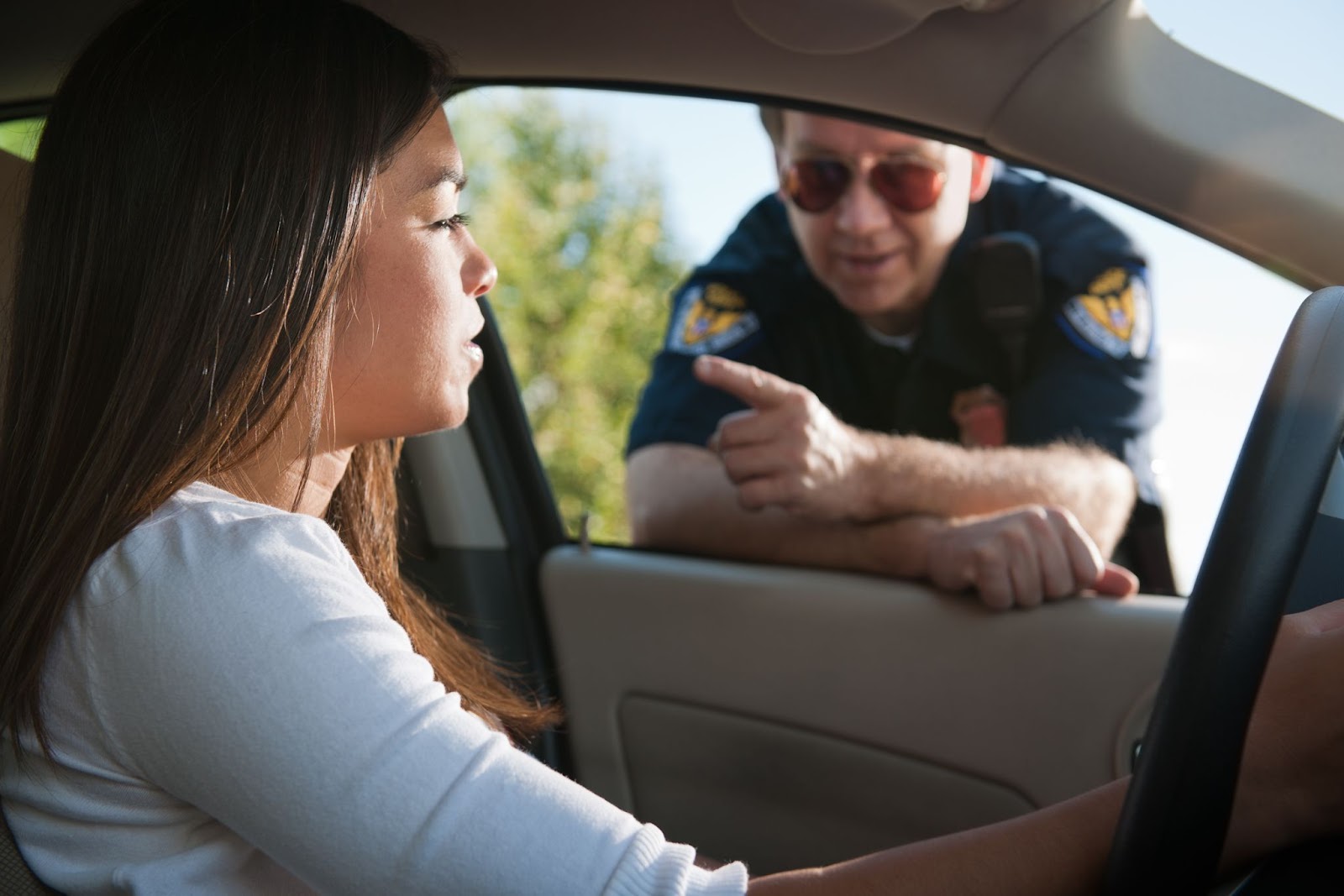
car driver arguing with cop

Myth #2: “I’m From Out of State, So This Won’t Follow Me Home”

The Reality: A Virginia reckless driving conviction will absolutely follow you back to your home state—and the consequences can be severe.

Many out-of-state drivers assume that what happens in Virginia stays in Virginia. They think once they cross the state line, the conviction won’t affect their driving record, insurance, or criminal background. That’s dangerously wrong.

Virginia participates in the Interstate Driver’s License Compact, which means your conviction will be reported to your home state’s DMV. Here’s what that means for you:

  • Your home state will add the conviction to your driving record. Most states treat out-of-state reckless driving convictions the same as if you’d been convicted at home.
  • You’ll face points on your license. Depending on your state’s point system, this could lead to license suspension or additional penalties.
  • Your insurance rates will skyrocket. Insurance companies don’t care where you were convicted—a reckless driving conviction typically results in rate increases of 50% or more, lasting for three to five years.
  • You’ll have a criminal record. This misdemeanor conviction appears on background checks nationwide, potentially affecting employment, professional licenses, and more.

Virginia State Police are particularly active on I-81, which sees heavy interstate traffic from travelers heading up and down the East Coast. They know that out-of-state drivers often underestimate the charges, hoping they can just move on with their lives. But ignoring the seriousness of the charge doesn’t make it go away—it makes everything worse.

Bottom line: Out-of-state drivers face the same long-term consequences as Virginia residents. The conviction follows you across state lines.

Myth #3: “20 Miles Over the Speed Limit Isn’t That Bad”

The Reality: In Virginia, driving 20 mph or more over the posted speed limit automatically qualifies as reckless driving, regardless of road conditions or traffic flow.

You don’t have to be weaving through traffic or driving dangerously. The law is straightforward under Virginia Code § 46.2-862:

  • 20+ mph over the limit = reckless driving
  • Over 85 mph = reckless driving (even if the speed limit is 70 mph)

This catches many drivers off guard, especially on I-81 where speed limits are 70 mph in many stretches. It might be easy for you to find yourself at 89 mph on an open interstate, but in Virginia, that’s a criminal offense.

Even if you were keeping up with traffic or feel the speed was safe for conditions, the law doesn’t care. The threshold is absolute.

Bottom line: Virginia’s bright-line rules mean what you might feel are ‘ordinary’ highway speeds can result in criminal charges. There’s no wiggle room.

Myth #4: “I Can Just Pay the Fine Online and Move On”

The Reality: You cannot prepay a reckless driving charge like a speeding ticket. You are required to appear in court.

Because reckless driving is a criminal charge, not a civil infraction, there’s no option to simply pay a fine and have the matter resolved. You must appear before a judge—or have an attorney appear on your behalf in certain circumstances.

If you fail to appear:

  • A warrant will be issued for your arrest
  • Your license will be suspended
  • Additional charges may be filed for failure to appear

Many out-of-state drivers make the mistake of thinking they can ignore the summons or handle it remotely. Virginia courts take these charges seriously, and failing to show up will only make your situation worse.

Hiring an experienced Virginia traffic attorney can be crucial here. In some cases, your attorney may be able to appear on your behalf, saving you the time and expense of traveling back to Virginia while still fighting for the best possible outcome.

Bottom line: Reckless driving requires a court appearance. Don’t treat it like a parking ticket.

Myth #5: “It’s Easy to Represent Myself—How Hard Can It Be?”

The Reality: Representing yourself in a criminal proceeding is far more complicated than most people realize, and the stakes are too high to wing it.

Many drivers figure they’ll just show up to court, explain what happened, apologize to the judge, and hope for leniency. While that approach might work for a simple traffic ticket, reckless driving is a criminal charge. The courtroom procedures, rules of evidence, and legal arguments required are beyond what most people without legal training can navigate effectively.

Here’s what you’re up against when you represent yourself:

Virginia prosecutors know the law better than you. They handle reckless driving cases every single day. They know the statutes, the case law, and the procedural rules. You’re walking into their territory without the tools to compete.

Judges have heard every excuse. Virginia courts—especially in counties along I-81 like Rockingham, Augusta, and Botetourt—see hundreds of reckless driving cases each year. Simply showing up and being polite won’t get you far. Judges need legal arguments, procedural motions, and evidence-based defenses.

You won’t know what options are available. An experienced attorney knows when to challenge radar calibration, when to request driving school, when to negotiate for reduced charges like improper driving, and when to push for dismissal. Without that knowledge, you may accept a conviction when better outcomes were possible.

One mistake can haunt you for years. A reckless driving conviction stays on your criminal record permanently. It affects your insurance, your employment prospects, and your driving privileges. Self-representation might save you a few hundred dollars today, but it could cost you thousands in increased insurance premiums and lost opportunities down the road.

You may not be able to appear remotely. While an attorney can often appear on your behalf (especially if you’re from out of state), pro se defendants typically must appear in person. That means taking time off work and traveling back to Virginia—expenses that often exceed the cost of hiring local counsel.

The courtroom isn’t the place to learn criminal procedure on the fly. Virginia judges expect competent legal advocacy, and without it, you’re at a significant disadvantage.

Bottom line: The complexity and consequences of a reckless driving case make self-representation a risky gamble. An experienced attorney levels the playing field.

What to Do If You’re Charged with Reckless Driving in Virginia

If you’ve been charged with reckless driving in Virginia, here’s what you should do immediately:

  1. Take it seriously. This is a criminal charge, not a traffic ticket.
  2. Don’t ignore your court date. Failing to appear will result in additional penalties.
  3. Consult with a Virginia traffic attorney. An experienced lawyer who regularly practices in Virginia courts knows the local prosecutors and judges, understands the nuances of the law, and can often negotiate reduced charges or alternative sentencing.
  4. Gather evidence. Calibration records for the radar gun, dashcam footage, or GPS data may help your case.
  5. Consider the long-term impact. A reckless driving conviction stays on your record and affects your insurance, employment, and more. It’s worth investing in a strong defense.

How Cook Attorneys Can Help

At Cook Attorneys, we’ve helped hundreds of clients navigate reckless driving charges throughout Virginia. We know the local courts, the prosecutors, and what strategies work to reduce or dismiss charges.

We can:

  • Appear in court on your behalf (in many cases)
  • Negotiate with prosecutors for reduced charges
  • Challenge the evidence against you
  • Pursue dismissal where possible
  • Minimize the impact on your driving record and insurance

Don’t let a holiday traffic stop turn into a permanent criminal record. If you’ve been charged with reckless driving in Virginia, contact Cook Attorneys today for a free consultation.

Call us at 540-564-9699 or visit cookattornedev.wpenginepowered.com/ to schedule your consultation.

Traveling through Virginia this holiday season? Know the law, drive safely, and if you find yourself facing a reckless driving charge, don’t go it alone. Cook Attorneys is here to help.


DUI in Virginia: What You Need to Know (Especially After Halloween)

When the costume party ends, the real nightmare can begin.

Halloween in Virginia is supposed to be fun: a night for friends, costumes, and maybe a few drinks. But every year, some celebrations end with flashing blue lights instead of candy corn.

If you’ve been stopped or charged with driving under the influence (DUI) after a Halloween party, you’re not alone. Virginia takes DUI charges seriously, but understanding your rights and the legal process can make all the difference in what happens next.

At Cook Attorneys, we help people navigate that confusion with clarity. Here’s what you need to know if your Halloween festivities turned into a legal fright.driver pulled over for DUI on Halloween

What Counts as a DUI in Virginia

Under Virginia Code §18.2-266, it’s illegal to operate a vehicle while under the influence of alcohol or drugs. The law doesn’t just look at how much you drank, it also considers how impaired you seemed.

The key thresholds for potential DUI charges are:

  • 0.08% BAC (Blood Alcohol Content) for most drivers
  • 0.04% BAC for commercial drivers
  • Any measurable alcohol for drivers under 21

Even if you “blew under” 0.08%, officers can still charge you if they believe your ability to drive safely was impaired. That’s why so many post-party stops lead to arrests even when people thought they were being careful.

Common Halloween DUI Scenarios

We’ve seen plenty of Halloween-weekend cases start out innocently:

  • You’re driving home from a costume party and get pulled over for a “minor” reason, like rolling through a stop sign or a broken taillight.
  • You stop at a checkpoint on the way home.
  • You get into a fender bender in a parking lot, and officers notice the smell of alcohol.

Any of these can turn into a DUI investigation once law enforcement suspects impairment. Field sobriety tests, portable breath tests, and chemical tests all come next.

Understanding BAC, Field Sobriety, and Refusal

BAC (Blood Alcohol Content): A test result of 0.08% or higher will usually result in a DUI charge. However, if you’re under 21 or driving commercially, the limits are lower.

Field Sobriety Tests: Walking a straight line or standing on one leg may sound easy until flashing lights and nerves are involved. These tests are subjective and often challenged in court.

Refusing a Breath or Blood Test: Under Virginia’s “implied consent” law, refusing a chemical test after a lawful arrest can trigger automatic license suspension, even before you go to court.

Penalties: The Real Scare Behind a DUI

For a first-offense DUI in Virginia, you could face:

  • Up to 12 months in jail
  • Fines of $250–$2,500
  • A 12-month license suspension
  • A mandatory ignition interlock device (you blow before your car starts)
  • Alcohol safety classes or probation

If your BAC was 0.15% or higher, or someone was injured, penalties become harsher, including mandatory jail time. Repeat offenses stack consequences quickly, and your record can haunt you long after Halloween.

First-Offender Options and Defense Strategies

Even if the charge feels overwhelming, defenses exist. Experienced attorneys look for:

  • Whether the traffic stop was legal (Did the officer have probable cause?)
  • How the tests were conducted (Were they calibrated and recorded correctly?)
  • If procedures were followed (Was your implied consent warning read properly?)

First-time offenders may qualify for diversion or restricted-license programs, depending on the details. A well-built defense can mean the difference between losing your license and keeping your life moving forward.

Protecting Yourself After a Halloween DUI in Virginia

If you’ve been charged after a night out:

  1. Don’t panic. A charge isn’t a conviction.
  2. Don’t handle it alone. Early legal advice can change the outcome.
  3. Gather information. Write down everything you remember from the stop.
  4. Show up for every court date. Missing one can make things much worse.

Cook Attorneys has guided many Virginians through their first DUI experience—helping them understand what’s ahead, what can be done, and what mistakes to avoid.

How Cook Attorneys Can Help

Our firm focuses on criminal and traffic defense throughout Virginia. We know the local courts, the prosecutors, and the process. When you come to us, you’ll get:

  • Straightforward communication. We’ll explain every step clearly.
  • Strategic defense planning tailored to your situation and goals.
  • Practical support, from license reinstatement to next-step advice.

Your case doesn’t have to become a horror story. With the right defense, you can move forward with your life.

After the Party: Get Real Help

If you’ve been charged with DUI after Halloween celebrations, don’t let fear take the wheel. Talk to someone who can guide you through what happens next.

Contact Cook Attorneys today for a confidential consultation. We’ll help you understand the charges, your options, and your best path toward a second chance.

Charged with Reckless Driving for a Weather-Related Accident?

Reckless Driving in VA: Definition and Penalties

Reckless driving is a serious offense that implies a disregard for the safety of others. In Virginia, this charge is governed by Virginia Codes §46.2-852 – § 46.2-869. The most general of the codes, §46.2-852, defines reckless driving as operating a vehicle in a manner that endangers life, limb, or property.

cars driving on snowy city streets

Key points to understand:

  • Reckless driving charges in Virginia can result in fines up to $2,500, license suspension, six points on your driving record, and even a year in jail.
  • Some behaviors that may lead to charges include speeding, failing to reduce speed for weather conditions, or losing control of your vehicle due to hydroplaning or black ice.
  • Virginia law does not consider adverse weather conditions as an automatic defense, so drivers are expected to adapt to road conditions.
  • Charges such as failure to maintain control of the vehicle (VA Code §46.2-853) or driving too fast for conditions (VA Code §46.2-861) may accompany or replace a reckless driving ticket.

But It Wasn’t My Fault (or Was It?)

Factors That Might Work Against You in Fighting a Reckless Driving Charge

  • Failing to provide evidence that shows you were driving cautiously under the circumstances.
  • Charges involving weather-related accidents often involve assumptions that the driver didn’t exercise enough caution.
  • Police reports may inaccurately suggest negligence if road conditions aren’t clearly documented.

Legal Support: How Cook Attorneys Can Help

Don’t Fight Reckless Driving Charges Alone

Reckless driving cases, especially those involving weather-related accidents, can be complex. At Cook Attorneys, we know how to analyze your case and build a strong defense on your behalf.

How we can help:

  • Argue that the weather, not negligence, caused the accident.
  • Challenge the evidence or testimony used to support the reckless driving charge.
  • Negotiate with prosecutors for a reduction or dismissal of the charge.

At Cook Attorneys, we represent clients charged with reckless driving in Virginia. Our deep understanding of Virginia reckless driving codes, such as §46.2-852, allows us to create tailored strategies for your defense.

car sliding on snowy road

A Real-Life Example (and How Cook Attorneys Could Help)

Several years ago, a driver shared their experience on r/legaladvice:

“I slid on a patch of ice while traveling about 20 miles an hour. I hit an embankment that was steep enough that my truck rolled over. It was a major storm, the cop said there were 4 accidents within a mile of my location and one other on that same road. He charged me with ‘reckless driving – failure to maintain control of vehicle,’ although I was driving safely.”

You can read the full thread here.

Under Virginia Code §46.2-853 and §46.2-861, this individual faced potential penalties of 12 months in jail, $2,500 in fines, and a lasting record for what was essentially an unavoidable accident. Cook Attorneys would have examined every detail of this case to build a strong defense to ensure that the weather conditions and other mitigating factors were fully presented.

Prevent Future Incidents

While you can’t control the weather, you can take steps to reduce your risk of accidents in hazardous conditions.

Driving tips for bad weather:

  • Reduce your speed and increase your following distance.
  • Use headlights and hazard lights when visibility is low.
  • Keep your vehicle in good condition by maintaining your tires, brakes, and wipers.
  • Avoid sudden movements, such as hard braking or sharp turns, that can lead to skidding.

A reckless driving charge after a weather-related accident can be daunting, but you don’t have to face it alone. Contact Cook Attorneys today for a free consultation. We’ll evaluate your case, provide expert legal advice, and fight for the best possible outcome. Don’t face this alone – let Cook Attorneys guide you every step of the way.

How to Handle a Speeding Ticket: Tips and Legal Advice

Receiving a speeding ticket can be a frustrating and costly experience. However, knowing how to handle it effectively can make a significant difference in the outcome. At Cook Attorneys, we often assist drivers in traffic defense and are dedicated to helping you navigate the complexities of traffic violations. This blog will provide you with practical tips and legal advice on how to handle a speeding ticket, minimize its impact, and protect your driving record.


Remain Calm and Respectful

When pulled over for speeding, it is essential to remain calm and respectful toward the law enforcement officer. Your attitude during the traffic stop can influence the officer’s decision-making process. Avoid arguing or admitting guilt, as anything you say can be used against you later. Politely provide the requested documents, such as your driver’s license, registration, and proof of insurance. Cooperating with the officer can help de-escalate the situation and may even result in a warning instead of a ticket.

A man wearing sunglasses receiving a traffic ticket from an officer standing by the car window.

Review the Ticket Carefully

After receiving a speeding ticket, take the time to review it carefully. Check for any errors or discrepancies, such as incorrect information about your vehicle, the location of the alleged offense, or the speed you were cited for. Additionally, ensure that the ticket includes the officer’s name, badge number, and the specific statute you allegedly violated. If you find any errors, it is worth discussing them with a traffic defense attorney who can advise you on the best course of action.


Decide Whether to Pay or Contest the Ticket

Once you have reviewed the ticket, you need to decide whether to pay the fine or contest the ticket in court. Paying the fine is the quickest way to resolve the issue, but it often results in points on your driving record and increased insurance premiums. Contesting the ticket, on the other hand, allows you to fight the charges and potentially avoid these consequences. Consider factors such as the severity of the offense, your driving record, and the potential impact on your insurance rates when making your decision. Consulting with a traffic defense attorney can help you weigh your options and determine the best strategy.


Gather Evidence and Prepare Your Case

If you choose to contest the speeding ticket, gathering evidence and preparing your case is crucial. Start by collecting any relevant documentation, such as photographs of the location where you were pulled over, witness statements, or dashcam footage. Evidence that contradicts the officer’s account or demonstrates mitigating circumstances can strengthen your defense. Additionally, familiarize yourself with the local traffic laws and the specific statute you are accused of violating. An experienced traffic defense attorney can assist you in building a solid case, identifying weaknesses in the prosecution’s argument, and presenting a compelling defense in court.


Attend Court and Present Your Defense

On the day of your court hearing, arrive early and dress appropriately to show respect for the court. When presenting your defense, remain calm and articulate. Clearly outline your arguments and present any evidence you have gathered. If you have a traffic defense attorney, they will handle most of the speaking and cross-examination of witnesses, ensuring that your rights are protected and your case is presented effectively. Be prepared for the possibility of negotiating a plea deal with the prosecutor, which can result in reduced charges or penalties.


Handling a speeding ticket can be a daunting task, but with the right approach and legal advice, you can minimize its impact on your life. Remember to remain calm and respectful during the traffic stop, review the ticket carefully for errors, decide whether to pay or contest the ticket, gather evidence, and prepare your case thoroughly. Attending court and presenting a strong defense are crucial steps in achieving a favorable outcome.

At Cook Attorneys, we are dedicated to helping you navigate the complexities of traffic violations and protect your driving record. If you have received a speeding ticket and need expert legal advice, contact us today for a consultation. Our experienced traffic defense attorneys will guide you through the process, advocate on your behalf, and work toward the best possible resolution for your case. By taking a proactive approach and seeking professional assistance, you can effectively handle a speeding ticket and safeguard your driving future.

The Impact of Traffic Violations on Your Driving Record

A man wearing sunglasses receiving a traffic ticket from an officer standing by the car window.

Traffic violations are more than just minor infractions; they can have lasting repercussions on your driving record and overall life. From increased insurance premiums to potential job risks, understanding the impact of traffic violations is crucial. At Cook Attorneys, we specialize in traffic defense and are dedicated to helping you navigate the complexities of traffic laws and protect your driving record. This blog will explore the various ways traffic violations can affect your driving record and provide tips on mitigating these impacts.


Points on Your Driving Record

One of the most immediate consequences of a traffic violation is the addition of points to your driving record. Each state has its own point system, where different types of violations carry different point values. For example, a speeding ticket might add three points, while reckless driving could add five or more. If you receive an out-of-state ticket, there will most likely be consequences for your record. Accumulating too many points within a specific period can result in severe penalties, including fines, mandatory driving courses, and even license suspension. It is essential to be aware of your state’s point system and strive to keep your record as clean as possible. If you receive a ticket, consulting with a traffic defense attorney can help you understand your options and potentially reduce the points added to your record.


Increased Insurance Premiums

Insurance companies closely monitor your driving record to assess your risk as a policyholder. Traffic violations signal risky driving behavior, prompting insurers to increase your premiums. Even a single violation can cause a noticeable hike in your rates, while multiple violations can make insurance unaffordable or result in policy cancellation. On average, drivers with traffic violations can expect their premiums to rise by 20% to 30%. To mitigate this impact, you can take defensive driving courses, which some insurers recognize and reward with discounts. Additionally, a traffic defense attorney can help you contest tickets, potentially preventing points and violations from appearing on your record.

Close-up Of Gavel And Car Key On Sounding Block Against Grey Background

License Suspension or Revocation

Serious traffic violations or accumulating too many points can lead to license suspension or revocation. Losing your driving privileges can significantly disrupt your daily life, affecting your ability to commute, fulfill job responsibilities, and maintain independence. Common reasons for license suspension include DUI, reckless driving, and repeated speeding offenses. To prevent suspension, it is crucial to address traffic violations promptly and take corrective actions, such as attending traffic school or complying with court requirements. An attorney can assist in negotiating with the court and advocating for alternatives to suspension, such as probation or community service.


Employment Consequences

Many employers conduct background checks, including driving record reviews, especially for positions that involve driving or operating heavy machinery. A poor driving record can limit your job prospects and even jeopardize your current employment. For commercial drivers, violations can lead to disqualification from driving commercial vehicles, impacting your livelihood. Maintaining a clean driving record is essential for job security and career advancement. If your job is at risk due to a traffic violation, seeking legal advice can help you explore options to mitigate the impact, such as contesting the ticket or negotiating a plea deal.


Long-Term Effects on Driving Privileges

Repeated traffic violations can lead to long-term effects on your driving privileges. Beyond immediate penalties, a history of violations can result in harsher penalties for future offenses, including longer suspension periods, higher fines, and mandatory installation of ignition interlock devices for DUI offenses. It is crucial to address violations proactively and seek ways to rehabilitate your driving record. Defensive driving courses, traffic school, and maintaining a violation-free record for an extended period can help restore your driving privileges and reduce long-term impacts.


Traffic violations can have a significant and lasting impact on your driving record, insurance premiums, employment, and overall quality of life. Understanding these consequences and taking proactive steps to address violations is essential to maintaining a clean driving record. At Cook Attorneys, we are committed to providing expert traffic defense to help you navigate these challenges and protect your rights.

If you are facing traffic violations and are concerned about their impact on your driving record, contact us today for a consultation. Our experienced attorneys will guide you through the legal process, explore your options, and work to achieve the best possible outcome for your case. By taking a proactive approach and seeking professional assistance, you can mitigate the effects of traffic violations and maintain a clean driving record.

Navigating Traffic Violations: Common Mistakes and How to Avoid Them

Traffic violations are common occurrences that can have serious repercussions if not handled correctly. From speeding tickets to more serious offenses, understanding the pitfalls and how to navigate them can save you time, money, and stress. At Cook Attorneys, we specialize in traffic defense and are committed to helping you avoid common mistakes when dealing with traffic violations. This blog will highlight frequent errors and provide practical advice on how to effectively manage traffic-related issues.

Ignoring or Delaying Response to a Ticket

One of the most common mistakes drivers make is ignoring a traffic ticket or delaying their response. Failure to address a ticket promptly can lead to increased fines, a suspended license, and even a warrant for your arrest. It is crucial to respond to a traffic citation within the specified time frame, either by paying the fine or contesting the ticket in court. Prompt action demonstrates responsibility and can often result in a more favorable outcome. If you are unsure of how to proceed, consulting with a traffic defense attorney can provide clarity and guidance.

Admitting Guilt Without Considering Options

Many drivers make the mistake of admitting guilt and paying the fine without considering other options. While this may seem like the quickest way to resolve the issue, it can have long-term consequences, such as points on your driving record and increased insurance premiums. Before admitting guilt, explore your options. You may be eligible for traffic school, which can prevent points from being added to your record, or you might have grounds to contest the ticket. An attorney from Cook Attorneys can review your case and advise you on the best course of action.

Failing to Gather Evidence

When contesting a traffic violation, evidence is crucial. Drivers often neglect to gather evidence that could support their case, such as photographs, witness statements, or dashcam footage. Proper documentation can make a significant difference in the outcome of your case. If you believe the ticket was issued in error or that there were extenuating circumstances, collect as much evidence as possible to substantiate your claim. This proactive approach can strengthen your defense and improve your chances of a favorable verdict.

Not Understanding the Legal Process

Navigating the legal process can be complex and intimidating, especially for those unfamiliar with traffic court procedures. Many drivers make mistakes simply because they do not understand how the system works. It is important to educate yourself on the legal process, including court appearances, potential penalties, and your rights as a defendant. Hiring a traffic defense attorney can be incredibly beneficial, as they can guide you through the process, represent you in court, and help you avoid common pitfalls.

Overlooking the Impact on Your Driving Record

A traffic violation can have a lasting impact on your driving record, leading to higher insurance rates, loss of driving privileges, and even employment issues if your job requires a clean driving record. Many drivers underestimate the importance of protecting their driving record and fail to take appropriate measures to mitigate the consequences of a violation. Being proactive about addressing traffic tickets and seeking legal advice can help you maintain a clean record and avoid future complications.


Traffic violations are more than just minor inconveniences; they can have significant and long-lasting effects on your life. By understanding common mistakes and how to avoid them, you can better navigate the complexities of traffic citations and protect your rights. Remember to respond to tickets promptly, consider all your options before admitting guilt, gather evidence, familiarize yourself with the legal process, and be mindful of the impact on your driving record.

At Cook Attorneys, we are dedicated to providing expert legal advice and representation for traffic violations. If you find yourself facing a traffic citation, contact us today for a consultation. Our experienced team will help you navigate the process and achieve the best possible outcome for your case.

By following these guidelines and seeking professional assistance when needed, you can effectively manage traffic violations and minimize their impact on your life.

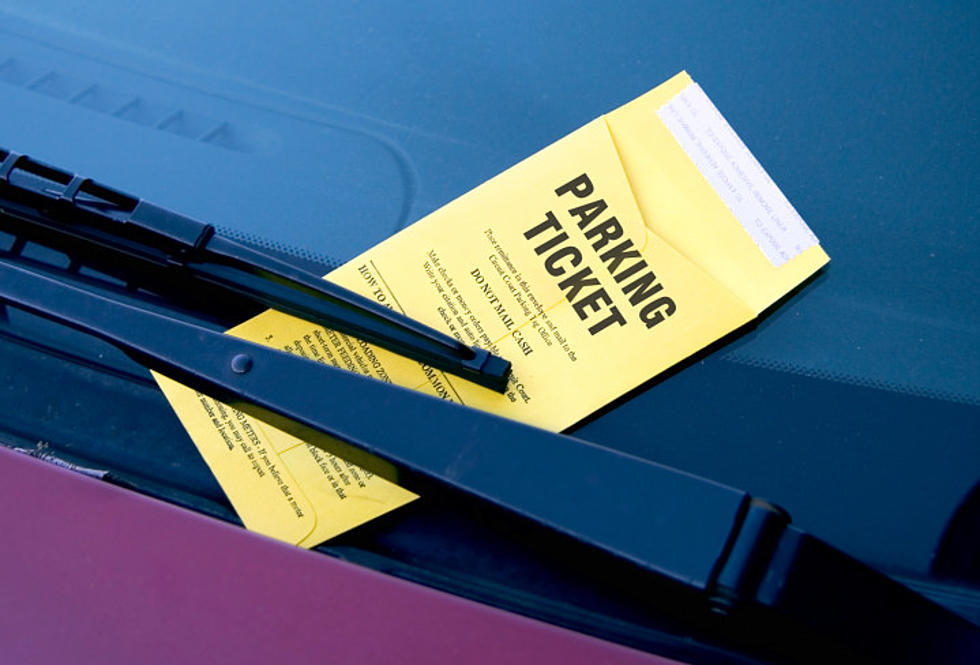
What happens if I don’t pay my parking ticket?

Unpaid-parking-ticket

The world of parking tickets can be a frustrating and confusing one. Many people wonder, “What happens if I don’t pay my parking ticket?” In this blog post, we will navigate through the intricacies of unpaid parking tickets, shedding light on the potential consequences and costs involved. Let’s dive into the details and address the key concerns surrounding this common issue.


The Ripple Effect of Ignoring Parking Tickets

Ignoring parking tickets can lead to a cascade of negative consequences. While it may be tempting to disregard a seemingly minor infraction, doing so can have far-reaching effects. Unpaid parking tickets can escalate into larger problems, causing financial strain, legal issues, and potential damage to your driving record.

One of the first concerns individuals often have is whether parking tickets go on their record. While parking tickets themselves don’t typically appear on driving records, the unpaid fines and subsequent actions taken by authorities can have an impact on your record and overall driving history.

cost-of-parking-ticket


The Cost of Ignoring Parking Fines

Parking tickets may initially appear as a minor inconvenience, but their costs can quickly add up. Ignoring these fines can result in increased penalties, late fees, and even the immobilization or towing of your vehicle. The accumulation of unpaid parking tickets can lead to significantly higher financial burdens in the long run.

Moreover, jurisdictions often employ collection agencies to recover unpaid fines. These agencies have the authority to take legal action, such as garnishing wages or seizing assets, to collect the outstanding amounts. The costs can skyrocket when legal proceedings and additional fees are factored in.


Legal Consequences of Unpaid Parking Tickets

When parking tickets go unpaid, municipalities have various measures at their disposal to enforce payment. They may issue additional fines, suspend your vehicle registration, or even place a hold on your driver’s license. Such actions can lead to increased legal problems and difficulties in renewing licenses or registering vehicles.

In extreme cases, failure to pay parking fines can result in the issuance of a warrant for your arrest. While this outcome is rare, it highlights the seriousness with which authorities view unpaid tickets. It’s crucial to take these matters seriously and address them promptly.


Long-Term Effects on Your Driving Record

Although parking tickets themselves may not directly impact your driving record, unresolved fines can have indirect consequences. Accumulating unpaid parking tickets may lead to the suspension of your driver’s license or prevent you from renewing your vehicle registration. These hurdles can create significant challenges in your daily life and future interactions with law enforcement.

Additionally, some jurisdictions report unpaid parking fines to credit bureaus, which can negatively impact your credit score. A lower credit score can have repercussions on various aspects of your financial life, making it harder to secure loans or obtain favorable terms on credit cards and mortgages.


Resolving Unpaid Parking Tickets

If you find yourself facing unpaid parking tickets, it’s essential to take proactive steps to resolve the issue. Start by understanding the specific requirements and procedures of the issuing jurisdiction. Contact the appropriate authorities or local municipal offices to discuss payment options, potential reductions, or even the possibility of a payment plan. For instance, you can visit the official parking ticket payment page of your local government website to conveniently pay your parking ticket.

By addressing unpaid parking fines promptly, you can prevent further escalation of penalties and mitigate the potential long-term consequences. Taking responsibility for your infractions and fulfilling your obligations not only helps maintain a clean driving record but also promotes a sense of civic responsibility. Additionally, you can seek assistance from legal professionals, such as ourselves at Cook Attorneys, who specialize in issues like these. Feel free to contact Cook Attorneys for expert guidance and advice on handling your specific situation.

Ignoring parking tickets may seem tempting, but it can lead to a host of problems that are best avoided. From financial burdens to legal complications and impacts on your driving record, the consequences of unpaid fines can be far-reaching. To maintain peace of mind and avoid unnecessary complications, it’s crucial to address parking tickets promptly and responsibly.

What qualifies as running a red light?


Running-A-Red-Light

We all know it’s illegal to run red lights. We also have probably all run red lights legally. So how can you know if it’s legal or illegal? How much does a ticket cost? When it comes to demerits in Virginia, how many points for running a red light?


What counts as running a red light?

It is illegal to drive through an intersection when the light for your direction is solid red. (There are some exceptions, but we’ll go over those later.) The text of the law states, “Steady red indicates that moving traffic shall stop and remain stopped as long as the red signal is shown, except in the direction indicated by a steady green arrow.” For the whole law about traffic lights, see the relevant section in the Virginia code.


Note that red lights can be red circles or red arrows. Either way, they mean the same thing. If it is a flashing light, it should be treated as a stop sign and is subject to all stop sign laws.


What happens if you run a red light?

If a police officer catches you running a red light, you will be subject to a fine and demerit points on your driving record.

  • How much is a ticket for running a red light? The fine is up to $350, but usually around $100.
  • How many demerit points for running a red light? The penalty is 4 points for a moving violation and will stay on your Virginia DMV record for 3 years.


If you cooperate with the officer who pulls you over, that is all that will happen. If you argue, resist, or have multiple simultaneous violations, the penalties could be higher.


If a traffic camera catches you running a red light, you will only be subject to a fine and not demerit points on your record. The maximum fine in this instance is $50.


If you have any questions about a ticket that you have received, or believe you have been wrongfully ticketed, Cook Attorneys can help.


Traffic-camera-at-red-light

Are traffic cameras legal?

In Virginia, traffic cameras are permitted if they are clearly marked. As of 2023, eleven counties in Virginia use them, and that number is expected to rise. Harrisonburg and Rockingham County do not yet employ cameras to regulate traffic.


Tickets issued due to traffic cameras are considered civil violations, and they do not affect your driving record, criminal record, or insurance rates. Many cities or counties institute them because they have a proven record of decreasing accidents and fatalities due to red light violations.


How can I tell if a red light ticket is real?

If a police officer pulls you over, you are free to request his or her identification. The ticket issued will also have the county information on it and a phone number and/or web address to verify your ticket information.


If you receive a ticket from a traffic camera, it will be mailed to the address on the DMV record for the owner of the vehicle, and it will have valid information on it for paying and/or contesting the fine. You will never get a ticket from Virginia via phone or email.


If you need help determining the validity of the ticket, Cook Attorneys is happy to help.


What are the exceptions for running a red light?

The Commonwealth of Virginia allows exceptions to the red light rule. Here are a few of them:

  • You have come to a full and complete stop and are safely turning right.
  • You have come to a full and complete stop and are turning safely from a one-way street onto another one-way street (even if that means you are turning left).
  • You are part of a marked funeral procession or a parade.
  • A police officer directs you otherwise.
  • It is the safest option available to you and/or you were avoiding greater harm.


Do I need a lawyer for a red light ticket?

Many drivers end up prepaying red light tickets, but there are instances when you might want to challenge it. These instances may include:

  • One of the exceptions above applies.
  • You were ticketed for several moving violations at one time, and you are trying to reduce the accumulated penalties.
  • You do not believe that you actually ran a red light.

If you believe you have been wrongfully fined or ticketed, Cook Attorneys can help. Contact us today to set up a free consultation. Our experienced traffic lawyers in Virginia want to help you understand your options and take the path that is right for you.

How to identify fake police officers


Impersonating a police officer is a crime. But what does that mean? How can you tell if someone is a fake police or real police? And what is the penalty for impersonating an officer? We go over that and more in this post about how to identify fake police officers.


Fake Police Officers

What counts as impersonating a police officer?

It is illegal to pose as a police officer and/or try to perform police duties. However, it is not illegal to purchase (real or fake) police uniforms, gear, or badges, or to own those things. It is not even illegal to wear them, say, for a Halloween costume or an acting role. 


What is illegal is purposely making people think you are a police officer. For instance, you could wear a semi-realistic police uniform as a Halloween costume; but if you tried to pull someone over or perform a search and seizure while wearing the costume, that would be illegal. 


You could wear a police uniform, complete with badges while filming a television role; but if you wore that outside filming and yelled, “Stop! Police!” to make someone think you were a real officer, you could be arrested.


What is the penalty for impersonating a police officer?

If you impersonate a police officer, marshal, or any other law enforcement officer in the Commonwealth of Virginia, you will be charged with a Class 1 Misdemeanor. This means you could be fined up to $2,500 or spend up to 1 year in jail. 


If you are caught doing this a second time or more, you will be charged with a Class 6 Felony. This means you could be fined up to $2,500 and spend up to five years in prison.


If you would like to know more, see the full text of the law about impersonating officers.


How can I tell the difference between a fake police officer and a real one?

Real police officers will usually wear a uniform, a utility belt, a badge with a badge number on it, and their name on the front of their uniform.  Each one carries a card (similar to a Driver’s License) that identifies him or her as a police officer. 


Police officers are also the only people in Virginia who are allowed to have red, white, and blue flashing lights on their vehicles. It is a good idea to pay attention to the vehicle of the person who pulls you over. If it is old or beat up, does not have the proper markings, or does not have the blue flashing lights, you should be wary. 


Some police officers or law enforcement personnel (such as detectives) wear plain clothes or drive unmarked cars. In those instances, they should still carry a badge with a badge number and that police identification card. It is not illegal to ask them to prove their identity.


It is also a good idea to look up what legitimate police officers in your city, county, and state wear, so you can be familiar with their uniforms and the design of their badges.


What should I do if I suspect someone is impersonating an officer?

If in doubt, you should double-check to be sure the person is truly an officer. You can do this by asking to see his or her badge with the badge number. You can also call 9-1-1 and ask them to verify the identity of the person who is claiming to be an officer. 


If you are being pulled over in your vehicle, proceed to a well-lighted and/or public area before stopping your car, so that your interaction can be witnessed. 


If anyone dressed as a police officer asks for your identification, asks to enter your home or property, or requests anything from you, it is never wrong to ask for proper identification.

identifying fake police officers

What do I do if I encounter a fake officer?

If you suspect someone of impersonating an officer, call 9-1-1 right away and report the incident or person. When the real police officer shows up, tell him or her everything you remember about that person, including what they were wearing, how they acted, and if they had any identifying features. 


When should I get a lawyer involved?

If you have been charged with impersonating a police officer, a good lawyer can help with that criminal charge. Cook Attorneys can help you with a great defense, accompany you to court, and work for the best possible outcome for you. We offer free consultations, and we have decades of experience in the courtroom. Contact us today to talk about the details of your case.

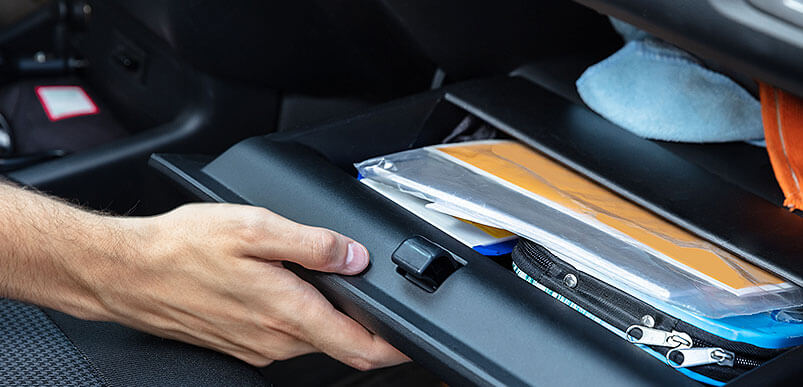
What documents do I need in my car?


If you are pulled over by the police, they will ask for “license and registration.” But what does that mean, and do you need to keep anything else on-hand? What is required by law, and what is just good to have? We’ll go over all of this and more in this blog post about vehicle registration in Virginia.


Vehicle Registration


License

You must have a valid driver’s license on-hand when you drive a motor vehicle in Virginia. Driving without a license in Virginia is a Class 2 Misdemeanor; you may end up with a fine up to $1,000 or a jail sentence of up to 6 months. (If you have this charge more than once, the penalty is greater.)


But what happens if you forget your license and get pulled over? You will be ticketed for $10 and will have to go to court to prove you had a valid license at the time. You may also be responsible for some court fees.


For more on driver’s license laws, including rules about out of state licenses, see our blog post “Driving Without a License in Virginia.”


Registration

What is a car registration? It is documentation that you have registered your vehicle at the Department of Motor Vehicles (DMV). Every vehicle that drives on Virginia roads must be registered. To register your vehicle, you must go to the Virginia DMV and provide the following:


  • A completed Application for Registration (Form VSA 14) or a completed Application for Certificate of Title and Registration (Form VSA 17A) if your vehicle was not previously titled in Virginia.
  • Proof of identity and address.
  • The vehicle’s inspection certificate (in certain counties).
  • Proof of insurance OR payment for the $500 uninsured motorist fee.
  • Payment for your registration fees. (Registration fees vary based on the vehicle.)


Other documentation may apply for vehicles originally registered elsewhere. After you register your vehicle, you should keep the registration with the vehicle. If the registration is missing, the sticker is not placed appropriately, or the registration is expired or revoked, you could be subject to penalties. 


Driving without registration is a ticketable offense, and is considered a Class 4 Misdemeanor. This means you could be fined up to $250. 


Insurance

You are required to have insurance on your vehicle, or pay the Uninsured Motor Vehicle Fee. You should keep proof of insurance in the car, but Virginia does accept electronic proof of insurance (such as through a phone app). 


Virginia has minimum requirements on the amount of insurance you should carry. For more information on insurance rules and regulations, see the Virginia DMV page about insurance.


Other documents

While those are the only three documents that are required in order to avoid penalty, there is other documentation that may come with your vehicle or be good to keep on your person wherever you go. These include, but are not limited to:

  • Vehicle operator’s manual
  • Personal health documentation for your specific condition(s), in case of accident 
  • Contact information for the owner of the vehicle (if is not yours)

Driving without registration in Virginia


What if I get pulled over, but I am driving my friend’s car?

If you drive another person’s vehicle, it is your responsibility to know where the registration paperwork is and if it is still good. The police officer who pulls you over has discretion by law to ticket you, the owner, or both. 


You should also be aware of whether you are covered under the insurance of the car with your own insurance. If you are in an accident, that will make a big difference in who pays what. Some car insurance will only cover the owner(s) of the vehicle when they are driving.


What happens if I want to contest the charges?

If you need help with this or any other traffic-related offense, Cook Attorneys is here to help. We can help fight charges for driving without a registration, driving without a license, and driving without insurance. We can also help if the insurance you thought you had will not pay for an accident.

 

With driving without registration charges, we can fight to get the penalty waived if you register your vehicle before the fine is due, and keep the misdemeanor off your record.

Some of these charges seem innocuous on their own; but if you are pulled over and ticketed for a moving violation, and then one of these is combined with it, the charges can start getting overwhelming. If you have any confusion at all, call Cook Attorneys today to set up a free consultation.