The Post-Spring Break Blues: Navigating a Public Intoxication Charge at JMU

individual lying down while hungover

Whether you spent the week on the beaches of Cabo or just hung out around the Burg, the post-Spring Break “re-entry” to JMU life is always a bit of a blur. But for many students, that blur is punctuated by a bright yellow or white slip of paper: a summons for Public Intoxication or Underage Possession.

If you’re staring at that summons today, you might think the simplest path forward is to pay the fine and move on. But before you click “pay” on that online portal, it is vital to understand the unique “Double Jeopardy” facing JMU students in 2026 and why the choices you make this week could define your record for years to come.

The “Double Jeopardy” of Harrisonburg

In a strictly legal sense, “double jeopardy” prevents you from being tried twice in criminal court for the same crime. But for a JMU student, a Drunk in Public (DIP) charge sometimes results in a second “prosecution.” You aren’t just answering to a judge; you are also answering to the university.

1. The Criminal Case: VA Code § 18.2-388

Under Virginia Law, Public Intoxication is a Class 4 Misdemeanor. While it carries no jail time, it is a criminal conviction. If you simply pay the fine, you are entering a formal plea of guilty. That conviction remains on your record permanently, appearing on background checks for internships, graduate school applications, and future employment.

2. The Administrative Case: OSARP

The Office of Student Accountability and Restorative Prevention (OSARP) typically receives reports of local arrests involving students quickly. Because local law enforcement frequently (but not always) shares arrest and summons data with the school, your off-campus actions can trigger an on-campus disciplinary process with its own unique set of consequences:

  • The “Strike” System: JMU operates on a cumulative alcohol policy. An alcohol violation often results in a “strike,” mandatory educational programs, and potential notification of your parents if you are under 21.
  • A Different Standard of Proof: Unlike a courtroom, where you are innocent until proven guilty “beyond a reasonable doubt,” OSARP uses a “preponderance of the evidence” standard. Essentially, if they think it is more likely than not that the incident occurred, you can face university sanctions regardless of what happens in court.

Risks with Different Approaches

The Risky “Wait and See” Strategy

When facing pressure from both the court and university, many students freeze. They decide to wait until their court date, which may be weeks or months away, before taking action. However, because these two systems move at different speeds, “waiting to see what happens” could mean losing your best chance to protect your future on both fronts.

Don’t Be Hasty: The “Just Pay It” Trap

Paying the fine is the fastest way to make the summons go away, but it can also be the fastest way to make the conviction permanent. Once you pay that fine, you lose your opportunity to negotiate for a dismissal in court, and you provide OSARP with a “confession” that they can use to fast-track university sanctions.

What You Sometimes Can Do Immediately

In the week immediately following a charge, you can sometimes begin proactive compliance to set yourself up for success. Taking specific steps, such as voluntary alcohol education or community service, before you are ordered to do so by a judge or OSARP shows a level of responsibility that can significantly influence the outcome.

Being proactive allows you to walk into your OSARP meeting or your court hearing with a demonstrated record of accountability rather than just an excuse. By the way, an attorney can ensure you choose the specific classes and service programs that local judges and prosecutors actually respect.

Strategic Goals: What Does a “Win” Look Like?

In a criminal case, a “win” isn’t one-size-fits-all. Our goal is to pursue the best possible outcome based on the specific facts of your encounter.

1. The Total Win: Dismissal or Not Guilty

The absolute best result is a case that ends without a conviction or any conditions. This usually happens through:

  • Legal Challenges: If the officer lacked “reasonable suspicion” to stop you or “probable cause” to arrest you, a judge may dismiss the case.
  • Insufficient Evidence: If the Commonwealth cannot prove you were “intoxicated” or “in possession” beyond a reasonable doubt, the result is a Not Guilty verdict.

2. The Negotiated Win: Deferred Disposition

If the evidence is strong, we shift our focus to mitigation. A deferred disposition is an agreement where the court “defers” a finding of guilt.

  • How it works: You may be required to complete community service or an alcohol education class.
  • The Result: If you fulfill the requirements and stay out of trouble for a set period (usually 6–12 months), the charge may be dismissed at the end. This keeps your record clean, which is the top priority for most students.

Because these ‘clean record’ paths are discretionary and require specific procedural steps, navigating them alone is risky. Early intervention by an attorney allows you to begin the correct proactive steps immediately, ensuring your efforts carry weight in the courtroom and with university administrators.

Don’t Leave Your Future to Chance

Understanding the potential “wins” in a criminal case is the first step, but securing them requires a calculated strategy. Whether we are fighting for an outright dismissal based on a violation of your rights or negotiating a deferred disposition to keep your record clean, the work begins the moment you are charged.

A single mistake during Spring Break shouldn’t define your career or your education. At Cook Attorneys, we specialize in helping students navigate the Harrisonburg court system with their futures intact.

Timing is critical. The sooner we begin building your “record of accountability” and reviewing the evidence against you, the more leverage we have at the negotiating table.


Note: This blog post is for informational purposes only and does not constitute legal advice or an attorney-client relationship. Every case is unique; please consult with a qualified attorney regarding your specific situation.

Served with a Protective Order in Harrisonburg? What You NEED To Know About Your First 72 Hours

Your Guide to Navigating a Protective Order

If you were recently released from the Rockingham County Jail or served with papers following a domestic dispute, you are likely in a state of shock. In Virginia, a domestic assault arrest (VA Code § 18.2-57.2) almost always triggers an immediate Emergency Protective Order (EPO).

In a matter of minutes, you have been barred from your home, separated from your children, and warned that a single text message could land you back in a jail cell. The next 72 hours will determine the trajectory of your case and your future.

“Do’s and Don’ts” Checklist

DO:

  • Read the entire order: Note the specific expiration date and the exact court date for your hearing.
  • Comply immediately: Even if you believe the allegations are 100% false, you must leave the residence if ordered.
  • Arrange a “Civil Standby”: If you need essentials (medicine, work laptop, clothes), call the Harrisonburg Police non-emergency line to request an officer to accompany you.
  • Document your location: Keep receipts or location data showing where you were at the time of service and afterward to prove you are following “no-contact” rules.

DON’T:

  • Send a “Closure” text: “I’m sorry” or “Why are you doing this?” are both violations of the order and can lead to immediate arrest.
  • Post on Social Media: Do not “vague-post” about the situation or the petitioner. The court will see it.
  • Hand off Firearms to a Friend: In 2026, you must follow the formal legal surrender process to avoid felony charges.
  • Wait until the hearing to get a lawyer: The evidence you gather in the first 72 hours is often what wins the case two weeks later.

1. The 72-Hour “Emergency” Window

An Emergency Protective Order in Virginia typically lasts for 72 hours (or until the next session of the Juvenile and Domestic Relations District Court).

  • No Contact means Zero Contact: This includes phone calls, texts, social media “likes,” or even having a third party “check-in” on the other person for you. In 2026, Harrisonburg prosecutors are increasingly using digital footprints (including Ring camera footage and shared cloud data) to prove violations.
  • The Exclusion Provision: You may be ordered to leave your shared residence immediately, even if your name is the only one on the lease or deed.

2. The Firearm Surrender Rule (2026 Update)

Under Virginia laws updated for 2025 and 2026, the stakes for firearm owners have never been higher.

  • 24-Hour Surrender: If you are subject to a protective order, you are legally prohibited from possessing a firearm. Under recent statutes, you may be required to surrender your firearms to local law enforcement or a licensed dealer within 24 hours of being served.
  • Felony Potential: Violating these firearm restrictions while subject to a protective order can lead to a Class 6 Felony charge.

3. The Shift to a “Preliminary” Order

Before the 72-hour EPO expires, the petitioner (the person who filed) will likely ask a judge for a Preliminary Protective Order (PPO). This extends the restrictions for another 15 days until a full hearing can be held.

This is where many people make a critical mistake. They wait until the full hearing to hire an attorney. By then, the “status quo” has been set: you have been out of the house for two weeks, and the court has already formed an initial impression of the situation.

4. Tactical Accusations & Parental Rights

In Harrisonburg, we often see protective orders used as “tactical” maneuvers in high-conflict divorces or custody battles. Because the standard for an EPO is “probable cause” (a very low bar), an order can be issued based on a single, one-sided statement.

If you do not challenge the PPO effectively, it can be extended for up to two years, which significantly damages your leverage in custody and visitation negotiations.

Why Choose Cook Attorneys?

Domestic violence cases in the Shenandoah Valley are heard in the Rockingham County Juvenile and Domestic Relations District Court. Our team knows the local procedures, the judges, and the prosecutors. We understand that there are two sides to every story, and we are here to ensure yours is heard before a temporary crisis becomes a permanent criminal record.

Don’t lose your home, your rights, or your reputation.

If you have been served with a protective order in Harrisonburg, contact us immediately.

Fill out our Contact Form here or call us today.

Caught with a Fake ID? What Students Need to Know in 2026

Caught with a Fake ID at JMU or UVA? What Students Need to Know in 2026

Whether you’re heading to “The Corner” in Charlottesville or a favorite spot downtown in Harrisonburg, a night out with friends should be the highlight of your week. But for many James Madison University (JMU) and University of Virginia (UVA) students, that night ends abruptly when a bouncer or clerk flags an ID.

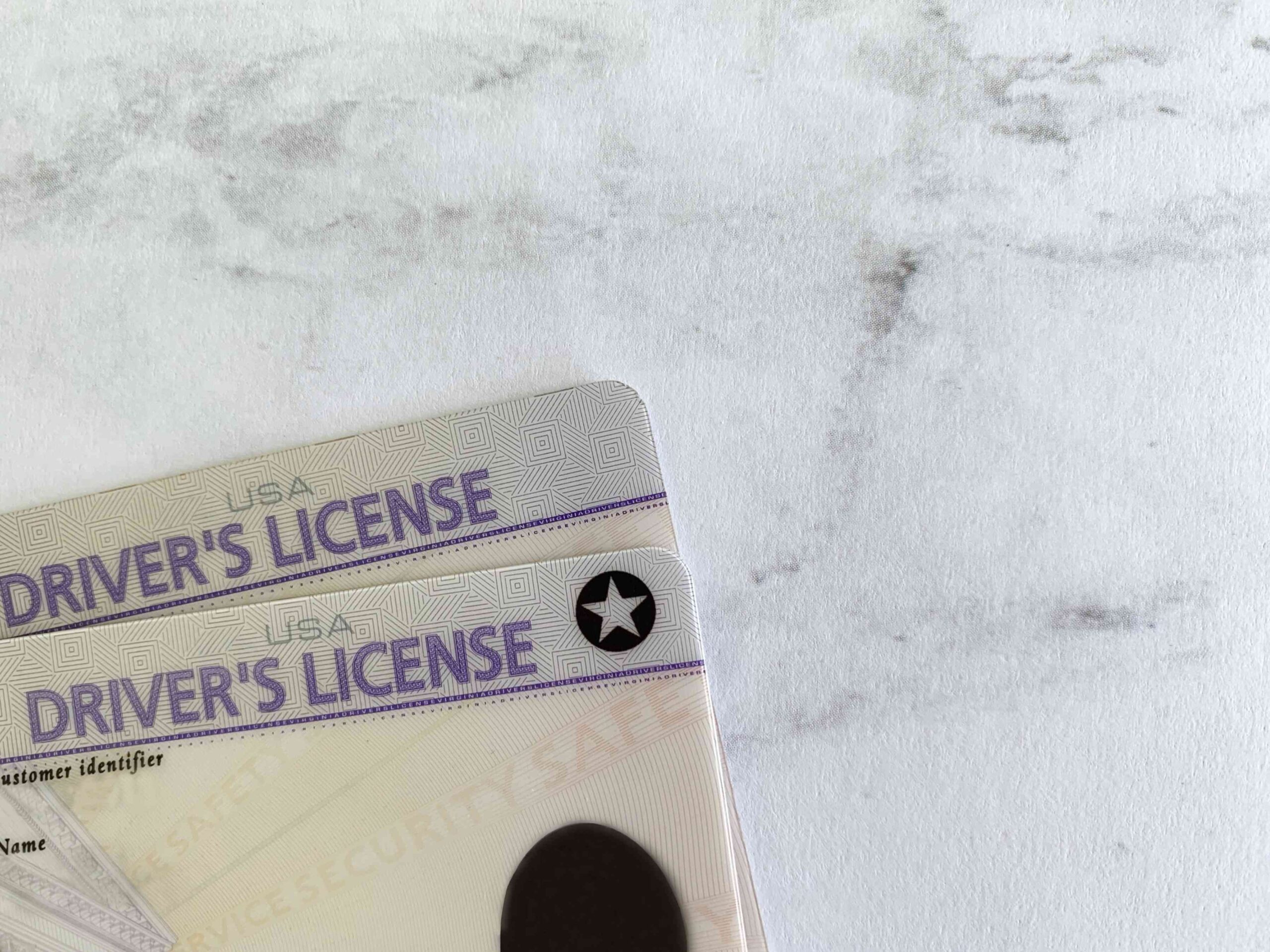
Drivers license on table


In 2026, the technology used by Virginia ABC and local establishments has become highly sophisticated. What used to be a simple confiscation and a “scolding” is now frequently a criminal summons. If you’ve been caught with a fake ID in Harrisonburg or Charlottesville, here is the legal reality of what you are facing.

1. The Legal Charges: Not Just a “College Mistake”

In Virginia, there is no “slap on the wrist” for fake IDs. Depending on the circumstances, you will likely face one of the following:

  • Possession of a Fictitious ID (VA Code § 18.2-204.2): Simply having a “simulated” license in your wallet is a Class 2 Misdemeanor. It carries a penalty of up to 6 months in jail and a $1,000 fine.
  • Using a Fake ID to Purchase Alcohol (VA Code § 4.1-305): This is the most common charge for students. It is a Class 1 Misdemeanor. If convicted, Virginia law mandates:
    • A minimum fine of $500 OR 50 hours of community service.
    • A mandatory driver’s license suspension of 6 months to one year.

2. The Courtroom Reality: Harrisonburg vs. Charlottesville

While the state laws are the same, where you are charged matters:

  • Harrisonburg/Rockingham Court: Cases are typically heard in the Harrisonburg/Rockingham General District Court on Court Square. Prosecutors here deal with a high volume of student cases and are often focused on “deterrence.”
  • Charlottesville/Albemarle Court: For UVA students, cases are heard in the Charlottesville General District Court or Albemarle County Court. These courts are notorious for their strictness regarding “Crimes of Moral Turpitude” (crimes involving lying or fraud).

3. The “Double Jeopardy” of University Discipline

A criminal charge is only the first half of the battle. Both universities have strict reporting requirements:

  • JMU Students: Your charge will likely be reported to the Office of Student Accountability (OSARP).
  • UVA Students: You may face proceedings through the University Judiciary Committee (UJC) or the Dean of Students. A conviction can result in university probation, suspension, or the loss of on-campus housing, even if it’s your first offense.

4. Your Future Career and the “Fraud” Label

In 2026, background checks for internships and post-grad jobs are more thorough than ever. Because fake ID charges involve an intent to deceive, they can be flagged as “fraud” offenses. This can be a major hurdle for students pursuing careers in law, medicine, finance, or any field requiring a security clearance.

How Cook Attorneys Can Help

Don’t let a momentary lapse in judgment jeopardize years of hard work. The team at Cook Attorneys has extensive experience representing both JMU and UVA students. We understand how to navigate the specific local courts in Harrisonburg and Charlottesville to seek deferred dispositions, reductions, or dismissals that protect your driver’s license and your future.

Facing a court date? Don’t go in alone. Secure the representation you need today. Contact Cook Attorneys via our Contact Form for a consultation.

Protesting in Virginia in 2026: Legal Dos and Don’ts

Protesting in Virginia? Here’s What You Need to Know in 2026

Whether you’re passionate about a local zoning change or a more national topic (such as immigration), taking to the streets is a time-honored tradition in the Commonwealth. But while the First Amendment is your shield, Virginia’s state codes (and federal laws) provide the boundaries. There are several laws to keep in mind when protesting in Virginia.

To help you stay safe and legally compliant, here is a guide to your rights and the “red lines” you should avoid in Virginia as of 2026.

image from behind protestors

Your Rights: The “Dos”

1) Know Your “Public Forums”

In Virginia, your rights are strongest in “traditional public forums.” This includes public sidewalks, streets, and parks.

  • The Rule: You generally don’t need a permit to march on a sidewalk as long as you aren’t physically blocking others from passing.

2) Record the Action

You have a clear legal right to photograph and record anything in plain view in public spaces. This includes:

  • Recording the police or federal agents performing their duties.
  • Note: Police cannot confiscate your phone or delete your data without a warrant.

3) Small Groups Often Move Free

Most Virginia localities do not require a permit for small groups. If you stay on the sidewalk and obey traffic signals, you can typically gather spontaneously. However, be sure to check about your specific locality to confirm permit requirements, though. Additionally, once you use amplified sound or want to close a street, a permit is required.


Common Legal Violations: The “Don’ts”

1) Don’t Block “Free Passage”

VA Code § 18.2-404: Virginia law prohibits “unreasonably or unnecessarily” obstructing the passage of others. Refusing to move can result in a Class 1 misdemeanor.

2) Avoid “Dwelling Place” Picketing

VA Code § 18.2-419: Protesting directly in front of someone’s private residence is a Class 3 misdemeanor in Virginia.

3) Respect the Dispersal Order

VA Code § 18.2-407: If police declare an “unlawful assembly,” remaining at the scene after being warned to leave is a crime (specifically, a Class 3 misdemeanor).

4) Don’t Wear a Mask

VA Code § 18.2-422: It is a felony in Virginia for any person to appear in public wearing a mask or a hood with the intent to conceal their identity. There are exceptions to this prohibition for traditional holiday costumes, theater productions, masks required for medical or safety reasons; but, interestingly, there is no exception for law enforcement officers.black man protesting with a megaphone


Special Focus: Protesting Immigration Enforcement

One particularly common topic of protest today centers around immigration enforcement. While you are entitled to your First Amendment rights, be sure to avoid these illegal actions if observing or protesting an enforcement action:

  • Physical Interference (18 U.S.C. § 111): Interfering with a federal officer’s duties is a federal crime. This includes “forcibly resisting, opposing, or impeding” agents. Avoid forming human chains to block agents or their vehicles, as this can be charged as a felony.
  • Maintaining Distance while Recording: While you have the right to film, you must do so from a “safe distance.” If an agent determines you are physically close enough to hinder their movement or safety, you may be detained for obstruction. While some states have a legal buffer zone of 25 feet, VA law leaves more discretion. Still maintaining a reasonable distance between yourself and operating officers is paramount.
  • Shielding or Concealing (8 U.S.C. § 1324): Knowingly “shielding from detection” an undocumented individual, such as by hiding them in a vehicle or a private building to prevent an arrest, is a federal offense that can carry significant prison time.
  • Trespassing on Federal Property: Many ICE operations occur at federal facilities or contracted holding centers (like the recently proposed sites in Hanover or Augusta County). Crossing a perimeter fence or entering a non-public area of these facilities is a federal trespass violation.

Quick Reference: Permit or No Permit?

Activity Permit Required?
Sidewalk March (no blocking) Generally No
Large Rally in Public Park Usually Yes
Marching in the Street Yes (requires traffic control)
Using Megaphones/P.A. Systems Yes (noise ordinances)

Pro-Tips for Virginia Protesters

  • Check Local Ordinances: Cities like Richmond and Norfolk have specific “Expressive Activity” rules.
  • Carry ID: While not always required unless suspected of a crime, it simplifies the process if you are detained for a minor infraction.
  • Identify Warrants: If observing a home enforcement action, remember that an administrative warrant (signed by ICE) does not grant them the right to enter a home without consent; only a judicial warrant (signed by a judge) does.

Important Note: This blog is for informational purposes and does not constitute legal advice. Given the heightened tensions in 2026, always consult with a civil rights attorney for specific concerns.

If you find yourself facing charges after engaging in protest, we at Cook Attorneys can help. You have a legal right to protesting in Virginia. Our defense attorneys stand ready to help protect you and your rights. Reach out to us HERE.

Virginia Alcohol Laws in 2026: What Times You Can Buy Alcohol and More

Virginia Alcohol Laws 2026

Did you know that bars are technically illegal in Virginia? Or that using a fake ID is a Class 1 Misdemeanor? Or that you can get a DUI while driving a jet ski?

So many rules! In this blog post, we break down what you need to know about alcohol laws in the Commonwealth of Virginia for 2026, including what times you can buy alcohol in VA and new updates like “Cocktails To-Go.”

Introduction to VA Alcohol Laws

Let’s get started with some of the basics:

What is the minimum age to buy (or even possess) an alcoholic beverage? 

21 years of age.

Penalty for Possession of Alcohol Under 21?

It is a Class 1 Misdemeanor. Penalties include fines of up to $2,500, up to 50 hours of community service, and/or up to 1 year in jail. You may also face a mandatory suspension of your driver’s license.

LEARN MORE: To read on underage drinking laws, specifically, please see our blog What You Need To Know About Underage Drinking Laws in Virginia.

What Are the Rules for Selling Alcohol?

Bars vs. Restaurants

If you are selling alcohol in a restaurant, that is okay. However, strictly speaking, “bars” are illegal in Virginia.

To serve mixed beverages (spirits), an establishment must be licensed as a “restaurant.” This means they must meet a minimum “food-to-beverage ratio”—generally, 45% of their gross sales must come from food and non-alcoholic beverages. If a place sells only alcohol and no food, it generally cannot exist as a public establishment in Virginia.

Friends Eating Out In Sports Bar With Screens In Background

Types of Retail Sales

  • Wine and Beer: You may sell wine and beer at a licensed restaurant, grocery store, or convenience store.
  • Liquor (Spirits): If you want to buy a bottle of vodka, whiskey, or other distilled spirits to take home, you must go to a Virginia Alcoholic Beverage Control Authority (ABC) store, which is owned by the Commonwealth government.

Hours & Licenses

To serve or sell alcohol, you must get a Virginia liquor license from the Virginia ABC. This applies to stores, restaurants, and private events (like weddings) wishing to serve alcohol.

Virginia Alcohol Sales Hours (2026)

If you have the proper permits, you may sell alcohol during these hours:

  • On-Premise (Restaurants/Clubs): 6:00 AM to 2:00 AM every day (in mixed beverage localities).
  • Off-Premise (Grocery/Convenience Stores): 6:00 AM to 12:00 AM (Midnight) every day.
  • ABC Stores (Liquor): Hours vary by location, but typically 10:00 AM to 9:00 PM (Mon-Sat) and 12:00 PM to 6:00 PM (Sun).

Restrictions

  • Novelty Containers: You may not serve alcoholic beverages in “novel or unusual containers” without a special permit.
  • Underage Sales: You may not sell alcohol to anyone under 21.

Penalty for Selling or Providing Alcohol to an Underage Individual: This is a Class 1 Misdemeanor, punishable by up to $2,500 in fines and/or up to 1 year in jail.

EXCEPTIONS: If you are a parent or spouse over 21, and you provide alcohol to your child or spouse under 21 inside your private home, you are generally not breaking the law (though rules on “contributing to delinquency” can still apply in unsafe situations).

What About Buying Alcohol in Virginia?

If you are 21 or older, you can legally purchase alcohol in Virginia.

  • Restaurants: You can order wine, beer, and mixed drinks for on-premise consumption.
  • Stores: You can buy beer and wine at grocery and convenience stores.
  • ABC Stores: You must visit a state-run ABC store to purchase distilled spirits.

Where Can You Drink?

Generally, you may only drink alcohol on private property or in licensed establishments. Drinking alcohol on public property—such as sidewalks, streets, parking lots, and parks—is illegal.

New Exception: “Sipping Districts” (DORA) Many Virginia towns (like Winchester, Danville, and others) have established Designated Outdoor Refreshment Areas (DORA). In these specific zones during designated hours, you can buy a drink from a participating restaurant in a special plastic cup and walk around outside within the district boundaries.

“Cocktails To-Go” Are Permanent!

A major change as of July 1, 2024 is that Cocktails To-Go are now permanently authorized in Virginia. Licensed restaurants and distilleries can legally sell mixed beverages for off-premises consumption (takeout and delivery), provided they are in a secure, sealed container and you have a valid ID.

Fake IDs

Ineligible people often try to buy alcohol using fake IDs, but the penalties are steep if caught.

Penalty for Using a Fake ID: This is a Class 1 Misdemeanor.

  • Fines: Up to $2,500.
  • Jail: Up to 1 year.
  • Community Service: Up to 50 hours.
  • License Suspension: Up to 1 year.
  • Education: Mandatory alcohol abuse education or counseling (at your expense).

Use of Alcohol While Driving in Virginia

You should never consume alcohol and drive. Virginia has strict laws against DUI/DWI (Driving Under the Influence/Driving While Intoxicated).

  • Legal Limit: If you are caught driving with a Blood Alcohol Content (BAC) of .08% or higher, you face a DUI charge.
  • Underage Limit: If you are under 21, Virginia has a “Zero Tolerance” policy. A BAC of .02% or higher can result in a DUI charge.

Penalty for First Offense DUI:

  • Up to $2,500 in fines.
  • Up to 1 year in jail.
  • Mandatory license suspension (usually 12 months).
  • Mandatory Virginia Alcohol Safety Action Program (VASAP) classes.
  • Possible Ignition Interlock Device requirement.

LEARN MORE: To read more on DUI/DWI in Virginia, please see our blog post DUI in Virginia: What You Need to Know.

Use of Alcohol While Boating in Virginia

Drinking and boating is just as dangerous as drinking and driving. BUI (Boating Under the Influence) laws apply equally.

You can be charged with BUI if you operate a boat (or jet ski) with a BAC of .08% or higher. Convictions can result in the loss of your boating privilege, heavy fines, and jail time, similar to a roadway DUI.

Need Help?

Cook Attorneys can help if you are facing DUI/DWI charges or if you need help navigating an alcohol-related charge. We have extensive defense experience with these kinds of cases, and we would love to talk to you about the details of yours. Reach out to us here!

The Role of Defense Attorneys: Protecting Your Rights in Court

what-do-defense-attorneys-do

In the realm of the courtroom, defense attorneys stand as guardians of justice, ensuring that the rights of the accused are safeguarded and upheld. If you find yourself facing legal charges, understanding the critical role of a defense attorney is essential. In this comprehensive guide, we shed light on the crucial functions of defense attorneys and the vital support they provide during challenging legal battles.


The Defender’s Mandate: Upholding Constitutional Rights


Defense attorneys play a pivotal role in the criminal justice system, where the principle of “innocent until proven guilty” is sacrosanct. Their primary responsibility is to provide unwavering representation to the accused, ensuring that their constitutional rights are preserved throughout the legal proceedings.


As the legal shield of the accused, defense attorneys advocate for due process, fair treatment, and adherence to the law. They act as a vital counterbalance to the prosecution, challenging evidence, cross-examining witnesses, and scrutinizing the case to ensure a just and equitable trial.


Strategic Advocacy: Building a Strong Defense


Defense attorneys possess a repertoire of legal strategies and tactics honed through years of experience and expertise. They meticulously assess the case, investigating every aspect to uncover potential weaknesses in the prosecution’s argument.


Armed with their insights and legal prowess, defense attorneys craft a comprehensive defense strategy tailored to the unique circumstances of each case. They challenge evidence, interview witnesses, and collaborate with experts to strengthen the accused’s position in the courtroom.


The Art of Persuasion: Communicating the Defense


Effective communication lies at the heart of a defense attorney’s advocacy. They employ active voice and persuasive arguments to present a compelling case in the courtroom. Skillful storytelling allows them to humanize their clients, ensuring that the jury understands the person behind the charges.


Throughout the legal process, defense attorneys maintain open channels of communication with their clients, providing reassurance and clarity during the challenging times. They explain legal complexities, potential outcomes, and the implications of different strategies, empowering their clients to make informed decisions.


A Trusted Ally: The Role of Defense Attorneys Near You


The relationship between a defense attorney and their client is built on trust and confidentiality. Defense attorneys near you serve as both legal counsel and emotional support, guiding clients through the intricacies of the legal system and offering reassurance during moments of uncertainty.


In times of crisis, defense attorneys stand as fierce advocates for their clients, tirelessly fighting for their rights and striving for the best possible outcome. Their commitment to the client’s cause is unwavering, fostering a partnership that serves as a formidable force in the courtroom.


Need an Attorney? The Importance of Timely Legal Representation


When facing legal charges, the urgency of securing legal representation cannot be overstated. A skilled defense attorney can protect your rights from the outset, guiding you through the complex legal landscape and safeguarding your interests.


If you find yourself in need of a defense attorney, don’t hesitate to reach out for experienced and reliable legal counsel. By consulting with a defense attorney at Cook Attorneys, you can take proactive steps to build a robust defense and ensure that your rights are fiercely protected throughout the legal process.

Hearsay – Can it be used in court?


“Objection! Hearsay!” is a common phrase in court cases. You have probably seen on TV shows or heard on televised criminal cases that a lawyer can object based on “hearsay.” 


But what does that mean? Can a witness never say what they overheard? Are there hearsay exceptions? How does that apply to documents or other physical evidence? We have those answers and more in this blog post!


Can hearsay be used in court?

In court, the judge, jury, and attorneys follow the rules of evidence. These rules outline what can and cannot be considered admissible evidence in court. 

Generally speaking, hearsay should not be admitted as evidence.  But the first thing to understand is this: if a witness testifies to hearsay and no one objects, it comes in and can be considered.  So, if a witness is testifying to hearsay, someone needs to object!


Hearsay used in court


What is considered hearsay?

In Virginia, hearsay is an out-of-court statement offered in evidence to prove the truth of the matter asserted.  Hearsay is a statement that cannot be cross-examined. However, there are many exceptions to the hearsay rule, allowing out of court statements that tend to be reliable.  For example, business records created in the ordinary course of running a business or excited utterances made in the heat of a stressful situation.


It is important to note that hearsay is, however, a good enough reason to call the police. If your neighbor told you that they committed a crime or that a crime was committed against them, you are allowed to call the police to investigate. The hearsay rule only applies once the case is in court before a judge; only reliable, direct evidence should be considered in determining the facts of a case.


Are there exceptions to the hearsay rule?

Hearsay is a tricky matter, especially when it involves family law or physical evidence. As with almost anything, there are exceptions. Here are a few of them:


Business or legal documents

Documents (tax returns, receipts, legal forms, etc.) that can be produced are not considered hearsay, even if the witness on the stand says, “I read it on a tax return” or something similar.


The statement of a defendant

If a cop pulls you over, and you say, “Oh man, I didn’t even see that stop sign until it was too late,” the cop can testify in court that you admitted to your own guilt. (The scenario does not have to be a cop witnessing your admission of guilt; the principle applies no matter who the other party is.)


There are other exceptions, and an experienced attorney can help you navigate all the nuances and legal loopholes. If you have questions about whether or not your testimony would be hearsay, call Cook Attorneys today.


What is the difference between hearsay and eyewitness testimony?

Eyewitness testimony is when you witness a crime being committed. For instance, if you see your neighbor entering your house without permission and running out with your laptop, that is eyewitness testimony.


But if your friend says, “Oh, I saw your neighbor go into your house and come out with your laptop,” that is hearsay from you—even if your laptop is actually missing. 


One interesting fact is that police reports are considered hearsay, not eyewitness testimony, because usually the police report documents everything that everyone else said. However, a police officer may be called to testify if he witnessed the crime or heard someone confess to the crime. 


When should I call an attorney?

Because hearsay can be convoluted, we recommend calling an attorney for a free consultation. Cook Attorneys offers free consultations on most criminal cases, and we can sit down with you—in person or over the phone—to talk about whether hearsay is a significant factor in your case, and how to proceed. 


Contact us today to discuss the details of your case, or the case of your loved one.

Virginia General Assembly Sends Criminal Justice Reform Bills to Governor

Criminal Justice


In a recent special session of the Virginia General Assembly, several significant criminal justice reform bills passed and now await Governor Northam’s signature. 


The most significant is SB 5007 which will eliminate the ‘trial penalty’ caused by mandatory jury sentencing, allowing a defendant to have a jury trial and judge sentencing. The change will go into effect for trials after July 1, 2021. 


We will discuss the importance of this change in a later post.


In another very significant reform measure, HB 5058 / SB 5029 will prevent pretextual stops by prohibiting police officers from stopping drivers for reasons such as operating without a light illuminating a license plate or operating with defective equipment, and prohibits officers from conducting searches based solely on the odor of marijuana. The bills establish that evidence obtained during an impermissible stop is not admissible in any trial or hearing. 


Both the House and Senate introduced expungement-related legislation, but ultimately could not reconcile HB 5146 which would establish automatic expungement of certain misdemeanors and felonies, with the Senate’s more modest SB 5043 which would have expanded the ability of individuals to petition for expungement of convictions. Legislators hope to have another expungement-related proposal prepared for the regular session in January. 


handcuffs on black wooden background


Several bills related to policing also passed during the special session including: HB 5069 which will prohibit the use of neck restraints or chokeholds by law enforcement officers; HB 5029 which will require an officer to intervene if they see another officer using excessive force on duty; and SB 5035 / HB 5055 which will permit localities to establish civilian oversight bodies with the power to investigate incidents and make binding disciplinary decisions.


While parole has not returned, the General Assembly did make some changes in the granting of “good time credits.”  HB 5148 and SB 5034 will establish a four-tier earned credit classification system, with exceptions for certain convictions. Individuals in the Level 1 tier, who participate in all programs to which they are assigned and have no more than one minor correctional infraction, will have 15 days deducted from their sentence for every 30 days served. A provision to require earned sentence credits to apply retroactively to an individual’s entire sentence will go into effect on January 1, 2022. 

SB 5034 also includes provisions to make certain terminally ill individuals eligible for consideration by the Parole Board for conditional release.

What Happens For You And Your Record After Dismissed Charges?

what is a dismissed case

“Case dismissed!” We’ve all seen the dramatic scenes in TV and movies, where a judge bangs his gavel and waves everyone out of his courtroom. But what does that mean for you?
If the case against you is dismissed, do you have a criminal record? Can you still be charged with the same crime?
Navigating dismissed cases can be confusing, but we’re here to help.


WHAT IS A DISMISSED CASE?

A dismissed case is one in which you are neither found guilty nor convicted. However, “dismissed” is not the same as “not guilty.” The distinction is very important.
A dismissed case can still show up on your record, and you can still be charged for it, since you were not found “not guilty.”


ARE THERE DIFFERENT KINDS OF DISMISSED CASES?

The short answer is Yes. And it’s important to know what kind your case is, in order to move forward.

Dismissed with Prejudice

If a judge declares your case “dismissed with prejudice,” that means the case is closed, and no one can file another suit on your case.
Disagree with this ruling? You can usually appeal, but it’s important to talk to a lawyer before making any decision. Cook Attorneys can help you with that any time.

Dismissed without Prejudice

If a judge declares your case “dismissed without prejudice,” that means the case is basically stalled. A common reason this happens is when cases are settled outside of court.
If this happens in your case, charges can still be brought against you for the same crime inside the applicable statute of limitations. It is imperative that you follow the terms of agreement in this instance.
As always, talk to a lawyer you trust before making any decisions. Don’t have a lawyer? Contact us at the bottom of this page to find your lawyer at Cook Attorneys today.

Dismissed for Want of Prosecution

This kind of dismissal happens when a case is open for a very long time, but no one does anything with it in court.
For instance, someone could sue you or bring other charges against you, but then never hires a lawyer or takes you to court. If the case is pending without prosecution for too long, the judge can dismiss it.
For more information on the Virginia laws regarding this type of dismissed case, see the Code of Virginia.

Voluntary Dismissal

If the prosecutor in your case decides to drop the case for any reason, he/she can file to dismiss the charges.
You would both have to sign the request for dismissal, but a court order is not needed for this kind of dismissal.


WHAT HAPPENS WHEN A CASE IS DISMISSED IN COURT?

case dismissed in court

If your case is dismissed, talk with your lawyer to determine next steps. In some instances, you can move forward with getting the charges dropped from your criminal record; in other instances, you can’t.
Your local Harrisonburg lawyers can help you with that. Please contact us at the bottom of this page; we’re here for you.


HOW DO I KNOW IF MY CASE WAS DISMISSED?

Your lawyer will inform you of the status of your case. If it is an old case, or if you need confirmation of your case’s status, you can look it up in the public records. Virginia’s Case Status and Information can be found here.


CAN I REQUEST THAT MY CASE BE DISMISSED?

Yes, if you and your lawyer determine that there are extenuating circumstances—for instance, a stop and search was illegal, or proposed evidence is inadmissable—then you can request that the judge dismiss your case.


DOES A DISMISSED CASE SHOW UP ON A BACKGROUND CHECK?

background check

Sometimes, yes. And even if the case has been dismissed, your arrest may still show up on your criminal or dismissed case background check. Federal law prohibits employers from refusing to hire you simply because you were arrested, if that arrest didn’t lead to a conviction.

In some cases, you can get dismissed cases off of your record by filling out the right paperwork. You can find more about how to do that in the state of Virginia.


CAN YOU HELP ME FIGURE OUT WHAT TO DO NEXT?

Yes, Cook Attorneys is here for all of your legal questions and next steps. Contact us through the form below, email info@cookattorneys.com, or call us at 540-564-9699 today.

Fill out the form below to request more information about how we can serve you. We look forward to hearing from you!