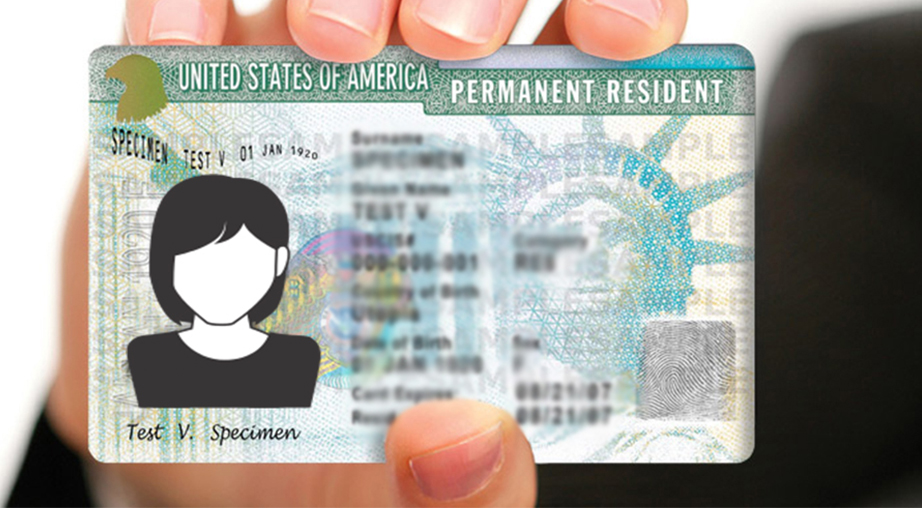
Can I Still Get a Green Card with a Criminal Record?

So, is it Possible?

Can you get a green card with a criminal record? While it’s a challenging environment right now, a past mistake doesn’t guarantee your dreams are dead.

If you’re trying to get a green card—or keep the one you have—a criminal record can feel like an impossible obstacle. Maybe it was a DUI years ago. Maybe it was a misdemeanor you thought was resolved. Or maybe you’re facing charges right now and wondering what this means for your immigration status.

You’re not alone, and you’re not out of options. A green card can still be possible with a criminal record. Just maybe more difficult.

At Cook Attorneys, we’ve seen how immigration and criminal defense overlap in ways most people never expect. One mistake in court can ripple into your visa, your green card application (or current residency), or even deportation proceedings. But understanding what’s at stake—and when legal help can make a difference—is the first step toward protecting your future.

Here’s what you need to know if you have a criminal record and you’re pursuing lawful permanent residence in the United States:

  • Not all criminal convictions automatically disqualify you from getting a green card.
  • Certain crimes, like aggravated felonies and drug offenses, carry serious immigration consequences.
  • Waivers exist for some convictions, but they may require proving “extreme hardship” to a qualifying relative.
  • Timing matters: defending your criminal case with immigration consequences in mind can save your status.
  • Even expunged convictions can still affect your immigration case under federal law.

man in hoodie staring at flag in a crowd

How Criminal Records Affect Green Card Applications

U.S. immigration law divides criminal offenses into categories that affect your ability to enter, stay, or naturalize. Not all crimes carry the same weight, but the system is complicated and, at times, unforgiving.

Crimes of Moral Turpitude (CMT)

This broad category includes crimes that involve dishonesty, fraud, or intent to harm—things like theft, larceny, fraud, forgery, assault with intent to injure, and certain domestic violence offenses.

Even a single conviction for a crime of moral turpitude can make you inadmissible to the U.S. There’s a narrow exception called the “petty offense exception,” which may apply if the maximum potential sentence was one year or less, you were actually sentenced to six months or less, and it’s your only CMT conviction. But this exception doesn’t cover aggravated felonies or controlled substance offenses—and it’s not automatic. You’ll need to show you qualify.

Aggravated Felonies

Despite the name, “aggravated felonies” aren’t always violent and aren’t always felonies under state law. Under immigration law, this category includes serious crimes like murder, rape, sexual abuse of a minor, drug trafficking (even small amounts can qualify), theft or burglary with a sentence of one year or more, fraud involving more than $10,000, and certain firearms offenses.

An aggravated felony conviction makes you inadmissible and deportable—and in most cases, you cannot apply for a waiver. If you have an aggravated felony on your record, your legal options are extremely limited, and the passage of time does not erase an aggravated felony.

Controlled Substance Violations

Immigration law takes drug offenses seriously. Any conviction related to a controlled substance—except a single offense involving simple possession of 30 grams or less of marijuana—can make you inadmissible.

Even a misdemeanor drug charge can derail your green card application. Marijuana possession, though legal under Virginia law, is still illegal under federal law—and immigration cases are decided under federal law. A conviction for possession with intent to distribute, no matter how small the amount, is considered a drug trafficking offense under immigration law.

Domestic Violence and Firearms Offenses

Convictions for domestic violence, stalking, child abuse, or violating a protective order are automatic grounds for inadmissibility. So are certain firearms violations.

Even if you weren’t convicted—if you simply violated the terms of a protective order—that can still affect your immigration case. Agreeing that the facts were sufficient to convict you may also count, effectively, as a conviction.

What “Inadmissible” Really Means

When we say someone is “inadmissible,” it means U.S. immigration authorities can deny their application for a visa, green card, or reentry into the country.

Being inadmissible doesn’t always mean you’re out of options, but it does mean you’ll need to address the issue head-on—often with the help of an experienced attorney who understands both criminal and immigration law.

Deportability vs. Inadmissibility: What’s the Difference?

If you are present in the U.S. with a green card and are convicted of a crime, the issue isn’t inadmissibility. It’s deportability.

Deportable offenses include aggravated felonies, crimes of moral turpitude committed within five years of admission (if the offense carries a sentence of one year or more), two or more crimes of moral turpitude at any time, controlled substance violations, domestic violence, stalking, child abuse, and firearms offenses.

If Immigration and Customs Enforcement (ICE) believes you’ve committed a deportable offense, they can place you in removal proceedings—even if you’ve lived in the U.S. for years.

Can You Get a Waiver?

In some cases, yes. Waivers allow you to overcome certain inadmissibility grounds, but they’re not easy to get.

Waiver of Inadmissibility (Form I-601)

If you’re outside the U.S. or applying for adjustment of status, you may be able to apply for a waiver if you have a U.S. citizen or lawful permanent resident spouse or parent, and you can show that denial of your application would cause “extreme hardship” to that qualifying relative.

“Extreme hardship” is a legal standard. It’s not just inconvenience or emotional difficulty—it’s serious, documented harm that goes beyond what’s typical in immigration cases.

Waiver Eligibility Depends on the Crime

Not all crimes are waivable. Crimes of moral turpitude are generally waivable with Form I-601. Controlled substance violations (except simple marijuana possession under 30 grams) may be waivable in limited cases. But aggravated felonies are almost never waivable, and drug trafficking offenses cannot be waived.

If you’re unsure whether your conviction can be waived, talk to an attorney before you file anything. A denied waiver application can close doors permanently.

What About Expungements and Pardons?

In Virginia, you may be able to expunge certain charges or have convictions pardoned. But here’s the catch: immigration law often ignores expungements and pardons and proceeds as if the convictions still exist

For immigration purposes, an expungement may help, but it doesn’t automatically erase the conviction from your immigration record. A pardon can sometimes help with inadmissibility, but only if it’s based on innocence—not just rehabilitation.

Don’t assume an expungement solves your immigration problem. You’ll need an attorney who understands both Virginia criminal law and federal immigration consequences.

Timing Matters: Criminal Charges vs. Convictions

If you’re facing criminal charges but haven’t been convicted yet, you may still have time to protect your immigration status.

Your criminal defense attorney should understand the immigration consequences of different plea deals, fight to avoid convictions that trigger inadmissibility or deportability, and negotiate outcomes that protect both your criminal record and your immigration future.

Sometimes the difference between a conviction for “possession” and “attempted possession” can mean the difference between staying in the U.S. and deportation. The stakes are that high.

When You Need Both a Criminal Defense Attorney and an Immigration Attorney

Immigration and criminal law intersect in complicated ways. The best outcome usually requires a criminal defense attorney who understands immigration consequences and fights to protect your status in plea negotiations and at trial, working alongside an immigration attorney who can help you navigate the waiver process, adjustment of status, or removal defense.

At Cook Attorneys, we focus on criminal defense and understand how charges, convictions, and case outcomes ripple into immigration status. We work with immigration counsel when needed to protect your rights on both sides of the process.

Red Flags That Your Case Needs Legal Help

If any of these apply to you, don’t wait. You need legal help if you’re facing criminal charges and you’re not a U.S. citizen, you’ve been convicted of a crime and you’re applying for a green card, ICE has contacted you or placed you in removal proceedings, you were arrested even if charges were dropped, or you’ve already applied for a green card and received a Request for Evidence (RFE) or a notice about inadmissibility.

Immigration cases don’t get easier with time. The sooner you act, the more options you’ll have. You might be able to get a green card with a criminal record, but you’ll likely need help.

Protect Your Future Before It’s Too Late

A criminal record doesn’t have to be the end of your immigration journey—but navigating it alone can lead to permanent consequences.

If you’re facing criminal charges, applying for a green card, or worried about your status, don’t leave your future to chance.

Contact Cook Attorneys today for a confidential consultation. We’ll help you understand what’s at stake, what options you have, and how to move forward with confidence.

Family Visiting Virginia from Abroad? Immigration and Visa Mistakes to Avoid

Summer brings family reunions, weddings, and extended visits to Virginia—but even minor visa violations can lead to serious immigration complications. Whether you’re a green card holder in Richmond, a visa holder in Virginia Beach, or an immigrant family in Northern Virginia, understanding the legal requirements for hosting family visiting Virginia from abroad is crucial for protecting everyone’s immigration status.

With current immigration tensions and stricter enforcement, Virginia families cannot afford to make mistakes when bringing loved ones to visit. This comprehensive guide covers the most common summer travel missteps and how to avoid jeopardizing your legal status while visiting or hosting relatives.

If you ever find yourself in need of specific legal advice regarding immigration and/or visa needs, be sure to reach out to us at Cook Attorneys!

Virginia map

Quick Steps Overview

Before diving into the details, here’s your roadmap for safely hosting foreign family members in Virginia this summer:

Step 1: Determine the correct visa type for your family member’s visit

Step 2: Understand Virginia-specific documentation requirements

Step 3: Prepare proper invitation letters and supporting documents

Step 4: Know the authorized stay periods and avoid overstay penalties

Step 5: Maintain proper status documentation throughout the visit

Step 6: Plan the departure strategy and ensure compliance

Step 7: Handle any complications with proper legal resources


Step 1: Determine the Correct Visa Type for Your Family Member’s Visit

Understanding B-1/B-2 Tourist Visas

Most foreign nationals visiting Virginia for tourism, leisure, or visiting family and friends need a B-1/B-2 visitor visa if they’re not eligible for visa-free travel. This is the most common visa for family visits and covers:

  • B-2 Tourism visa: For sightseeing, visiting friends and family, medical treatment, or vacation
  • B-1 Business visa: For business meetings, conferences, or professional activities
  • B-1/B-2 Combined: For trips involving both business and personal activities

Key Requirements:

  • Valid passport with at least six months validity beyond your planned stay
  • Proof of ties to home country (employment, property, family)
  • Sufficient funds for the visit
  • Intent to return to home country

Visa Waiver Program (VWP) Considerations

Citizens from 40 countries can visit the US for up to 90 days without a visa through the Visa Waiver Program. However, VWP visitors cannot extend their stay or change status, making this option less flexible for longer family visits.

Important Link: Check eligibility and apply for ESTA authorization at the official U.S. Customs and Border Protection ESTA website.

Other Visa Categories for Family Visits

  • Transit visas (C-1): For brief stops while traveling to another country
  • Student visas (F-1): If combining visit with educational activities
  • Work visas: If the visitor plans to work during the visit (requires separate authorization)

Step 2: Understand Virginia-Specific Documentation Requirements

Federal vs. State Requirements

While immigration is federally regulated, Virginia residents must understand both federal requirements and how they apply within the state. Virginia does not have additional visa requirements beyond federal law, but certain practical considerations apply:

Virginia-Specific Considerations:

  • Driver’s licenses: Visitors cannot obtain Virginia driver’s licenses on tourist visas
  • In-state tuition: Tourist visa holders don’t qualify for Virginia in-state tuition rates
  • Employment: Visitors on B-1/B-2 visas cannot work for Virginia employers
  • Healthcare: Understanding insurance coverage for visitors in Virginia’s healthcare system

Required Documentation Checklist

For the Visitor:

  • Valid passport
  • Approved visa or ESTA authorization
  • Form I-94 (Arrival/Departure Record)
  • Proof of financial support
  • Return ticket or onward travel plans
  • Invitation letter from Virginia host

For the Virginia Host:

  • Proof of legal status in the US
  • Evidence of relationship to visitor
  • Financial support documentation
  • Accommodation arrangements

Step 3: Prepare Proper Invitation Letters and Supporting Documents

Essential Elements of an Invitation Letter

Your invitation letter is crucial for your family member’s visa application and entry into Virginia. Include:

Host Information:

  • Full name and address in Virginia
  • Immigration status (green card holder, US citizen, etc.)
  • Contact information
  • Relationship to visitor

Visitor Information:

  • Full name and address
  • Purpose of visit
  • Planned arrival and departure dates
  • Accommodation arrangements
  • Financial support details

Supporting Documents:

  • Copy of your green card or US passport
  • Proof of Virginia residence (utility bills, lease agreement)
  • Bank statements showing financial ability to support
  • Employment verification letter
  • Tax returns (if relevant)

Sample Invitation Letter Template

[Date]
[Your Name]
[Your Address in Virginia]
[City, State, ZIP Code]

To Whom It May Concern:

I am writing to invite my [relationship] [Full Name], a citizen of [their nation of citizenship] to visit me in the United States for a period of [length of days, weeks, or months], from [date of arrival] to [date of departure]. I am a [legal status] residing at the above address.

Purpose of Visit: [Family reunion/wedding/vacation]

Accommodation: [Details of where they will stay]

Financial Support: [Who will cover expenses]

I will be responsible for [visitor’s name] during their stay, including accommodation, food, and local transportation. I have attached supporting documents to verify my status and financial capability.

Please contact me at [phone number] or [email] if you need additional information.

Sincerely,
[Your signature]
[Your printed name]

Step 4: Know the Authorized Stay Periods and Avoid Overstay Penalties

Understanding Your I-94 Record

The Form I-94 is your family member’s most important document for tracking their authorized stay. A visiting visa (B-1/B-2) allows a maximum stay of 6 months per visit, subject to the duration granted by the immigration officer at the port of entry.

Critical Points:

  • The visa expiration date is NOT the same as authorized stay period
  • Check the I-94 “Admit Until Date” for actual departure deadline
  • Access current I-94 records online at CBP’s I-94 website

Severe Penalties for Overstays

If you stay in the U.S. beyond your authorized period, you begin accruing unlawful presence, which can result in bans on returning to the U.S.: Overstay of 180 days to under 1 year → 3-year re-entry ban; Overstay of 1 year or more → 10-year re-entry ban

Additional Consequences:

  • Automatic cancellation of current visa
  • Difficulty obtaining future visas
  • Potential criminal penalties under proposed legislation
  • Impact on family members’ immigration applications

Extension of Stay Applications

If your family member needs to extend their visit, apply for an extension before their current authorized stay expires:

  • File Form I-539: Application to Extend/Change Nonimmigrant Status
  • Apply 45 days before expiration: USCIS recommends applying well in advance
  • Provide valid reasons: Medical emergencies, family situations, or unexpected events
  • Include supporting documentation: Medical records, family emergency proof, financial support

Important Link: File Form I-539 online through the USCIS website.

Step 5: Maintain Proper Status Documentation Throughout the Visit

Record Keeping Requirements

Maintain organized records throughout your family member’s visit:

Essential Documents to Keep:

  • Copy of passport and visa
  • Form I-94 arrival record
  • All correspondence with immigration authorities
  • Extension applications and approvals
  • Medical records (if relevant to visit)
  • Financial records showing support

Alien Registration Requirements

Parents and legal guardians of aliens under age 14 must ensure those aliens are registered. Within 30 days of reaching their 14th birthday, all previously registered aliens must apply for re-registration and fingerprinting.

Address Change Notifications

If your family member changes their address during their Virginia visit, they must notify USCIS within 10 days using Form AR-11.

Step 6: Plan the Departure Strategy and Ensure Compliance

Departure Planning

Before Departure:

  • Verify departure date complies with I-94 authorization
  • Confirm travel documents are valid
  • Collect all immigration documents for future reference
  • Ensure no outstanding obligations in Virginia

At Departure:

  • Keep boarding passes and travel receipts
  • Ensure passport is stamped upon exit
  • Retain copies of all travel documents

Consequences of Late Departure

Even departing a few days late can trigger serious consequences:

  • Leaving the U.S after violating your visa could have consequences, including possible bans from reentry
  • Future visa applications may be denied
  • Impact on other family members’ immigration cases

Step 7: Handle Any Complications with Proper Legal Resources

When to Seek Legal Help

Contact Cook Attorneys or another immigration attorney immediately if:

  • Your family member’s departure is delayed beyond authorized stay
  • There are medical emergencies affecting departure plans
  • Immigration authorities question your family member’s status
  • Extension applications are denied
  • You receive any immigration enforcement notices

Virginia Immigration Resources

Legal Aid Organizations:

Government Resources:

Emergency Situations

Medical Emergencies:

  • Document all medical treatment
  • Apply for emergency extension if needed
  • Maintain communication with immigration authorities
  • Keep detailed records of medical necessity

Natural Disasters:

  • USCIS may provide relief for extraordinary circumstances
  • Document the emergency situation
  • Apply for appropriate relief measures
  • Contact USCIS immediately for guidance

Common Mistakes Virginia Families Make

1. Assuming Visa Validity Equals Authorized Stay

Many families mistakenly believe that a 10-year multiple-entry visa means their family member can stay for 10 years. The visa only allows entry attempts; the actual authorized stay is determined by the CBP officer at entry and recorded on the I-94.

2. Ignoring Address Change Requirements

Failing to report address changes during the visit can complicate future immigration applications and may be considered a violation of immigration law.

3. Working Without Authorization

Even helping with family business or receiving payment for services can constitute unauthorized employment and jeopardize future immigration benefits.

4. Inadequate Financial Documentation

Insufficient proof of financial support can lead to visa denials or entry refusals. Always maintain clear documentation of how the visit will be funded.

5. Poor Record Keeping

Failing to maintain proper documentation during the visit can create problems if immigration issues arise later.

Staying Updated on Immigration Policy Changes

Immigration policies can change rapidly. Stay informed through:

Conclusion

Immigration mistakes can have lasting consequences. The best defense is careful planning, thorough documentation, and timely action. If you’re unsure about your situation, consult the experienced immigration attorneys at Cook Attorneys to ensure your family visit stays compliant and joyful.


Remember: Immigration mistakes can have long-lasting consequences for your entire family’s immigration journey. Taking the time to understand and follow proper procedures protects everyone involved and ensures your family can continue to visit safely in the future.

By following this comprehensive guide, or even contacting our team here at Cook Attorneys, Virginia families can enjoy meaningful summer visits with their loved ones while maintaining full compliance with U.S. immigration law.

This guide is for informational purposes only and does not constitute legal advice. Immigration law is complex and subject to change. If you are in need of specific legal advice, please get in touch with our office. We would be happy to provide actual legal counsel for specific situations and the most current legal requirements.

The Immigration Process Explained: Steps to Legal Residency

Achieving legal residency in the United States is a significant milestone for many immigrants. The process, however, can be complex and challenging to navigate. Understanding the steps involved and knowing what to expect can help ease the journey. At Cook Attorneys, we specialize in immigration law and are dedicated to assisting individuals and families in their pursuit of legal residency. This blog will outline the essential steps in the immigration process to help you achieve your goal of becoming a lawful resident.


Determining Eligibility

The first step in the immigration process is determining your eligibility for legal residency. Various pathways exist, including family-based immigration, employment-based immigration, refugee or asylum status, and the Diversity Visa Lottery. Each category has specific requirements and criteria. For instance, family-based immigration requires sponsorship from a U.S. citizen or lawful permanent resident relative, while employment-based immigration often requires a job offer from a U.S. employer. Consulting with an immigration attorney from Cook Attorneys can help you understand which pathway best suits your situation and whether you meet the necessary qualifications.


Filing the Appropriate Petition

Once you have determined your eligibility, the next step is filing the appropriate petition with U.S. Citizenship and Immigration Services (USCIS). For family-based immigration, this typically involves filing Form I-130, Petition for Alien Relative. For employment-based immigration, your employer will usually file Form I-140, Immigrant Petition for Alien Worker. If you are seeking refugee or asylum status, you would file Form I-589, Application for Asylum and for Withholding of Removal. Each form requires detailed information and supporting documentation, so it is essential to complete it accurately and thoroughly. An experienced immigration attorney can assist in preparing and submitting your petition to avoid delays or denials.


Waiting for Petition Approval and Visa Availability

After submitting your petition, you must wait for approval from USCIS. The processing time varies depending on the type of petition and current caseload. Once your petition is approved, you must wait for a visa to become available. For family-based and employment-based immigration, this depends on the visa category and the applicant’s country of origin. The U.S. Department of State’s Visa Bulletin provides monthly updates on visa availability. Patience is crucial during this stage, as waiting periods can range from several months to several years.


Consular Processing or Adjustment of Status

When a visa becomes available, you can proceed with either consular processing or adjustment of status. Consular processing involves attending an interview at a U.S. embassy or consulate in your home country. You will need to complete Form DS-260, Immigrant Visa and Alien Registration Application, and provide additional documentation, such as medical examination results and police certificates. Alternatively, if you are already in the U.S., you may be eligible for adjustment of status by filing Form I-485, Application to Register Permanent Residence or Adjust Status. This process allows you to apply for a Green Card without leaving the country. An immigration attorney can help determine the best option for your circumstances and guide you through the necessary steps.

Young specialist taking document from man to make visa in visa center

Attending the Interview and Receiving a Decision

Whether you undergo consular processing or adjustment of status, attending an interview is a critical step in the immigration process. During the interview, a consular officer or USCIS officer will review your application and supporting documents, ask questions to verify your eligibility, and assess your overall suitability for legal residency. It is important to be honest, provide accurate information, and remain calm during the interview. Following the interview, you will receive a decision. If approved, you will be granted an immigrant visa or a Green Card, allowing you to reside legally in the United States. If additional information or evidence is required, you will receive instructions on how to proceed.


The immigration process to legal residency in the United States involves several crucial steps, each requiring careful preparation and attention to detail. Determining eligibility, filing the appropriate petition, waiting for approval and visa availability, and completing consular processing or adjustment of status are all part of the journey. Attending the interview and receiving a decision marks the final step toward achieving your goal of legal residency.

At Cook Attorneys, we are dedicated to helping you navigate this complex process. Our experienced immigration attorneys provide personalized guidance and support every step of the way. If you or a loved one is pursuing legal residency in the U.S., contact us today for a consultation. Let us help you achieve your dream of becoming a lawful resident.


By following these guidelines and seeking professional assistance, you can confidently navigate the immigration process and work towards securing your future in the United States.

Demystifying Immigration Law: A Guide to Navigating the Process

Immigration-law-made-easy
Immigrating to a new country can be a challenging and confusing process. There are countless laws, regulations, and procedures to follow, and it can be difficult to know where to begin. However, with the right knowledge and guidance, navigating the immigration process can be an exciting and rewarding experience. In this blog post, we will demystify immigration law and provide you with a comprehensive guide to help you navigate the process. This guide is specifically tailored for immigrants wanting to come to the United States of America and is intended to help you understand the process and make informed decisions about your immigration journey.


1. Understand the Different Types of Visas

The first step to navigating the immigration process is understanding the different types of visas available. There are many different types of visas, and each serves a specific purpose. Some visas are temporary, while others are permanent. The most common types of visas include family-based visas, employment-based visas, student visas, and tourist visas. It’s important to determine which visa category you fall under and whether you are eligible for that visa.

2. Determine Your Eligibility

Once you have identified the visa category that applies to you, the next step is to determine whether you are eligible for that visa. Eligibility requirements vary depending on the type of visa and the individual’s circumstances. For example, family-based visas require a relationship to a U.S. citizen or permanent resident, while employment-based visas require a job offer from a U.S. employer. It’s important to understand the eligibility requirements and ensure that you meet all the necessary criteria.

3. Complete the Application and Supporting Documents

Once you have determined your eligibility and identified the appropriate visa category, the next step is to complete the application and gather the necessary supporting documents. The application process can be complex, and it’s important to ensure that all the information is accurate and complete. The supporting documents required for an application vary depending on the type of visa, but often include things like a passport, birth certificate, marriage certificate, or documents related to employment or education.

4. Attend the Interview

After your application has been submitted and processed, you will be required to attend an interview with an immigration officer. The purpose of the interview is to verify the information provided in the application and to ensure that all eligibility requirements are met. It’s important to be prepared for the interview by reviewing your application and all supporting documents. Dress appropriately, arrive on time, and be prepared to answer questions about yourself and your reasons for wanting to immigrate to America.

5. Await the Decision

After the interview, you will need to wait for a decision on your application. The processing times can vary depending on the type of visa and the individual circumstances. It’s important to be patient during this time and to avoid making any travel plans until a decision has been made. If your application is approved, you will need to follow all the instructions provided and ensure that you meet all the requirements of the visa.

Immigrating to the United States can be a complex and challenging process, but with the right knowledge and guidance, it can be a rewarding experience. By understanding the different types of visas, determining your eligibility, completing the application and supporting documents, attending the interview, and awaiting the decision, you will be better equipped to navigate the immigration process. If you have any questions or concerns about the immigration process, it’s important to seek the guidance of an experienced immigration lawyer who can provide you with the advice and support you need.

The four types of immigration statuses in the USA


Types-of-immigration

The immigration process can be complicated, confusing, and quite difficult—both practically and emotionally. In this post, we will talk very generally about the four types of immigration status, and what you can do to change the status of yourself or a loved one.


Whether you are an immigrant or not, a citizen or not, you have an immigration status—and that status sometimes can be changed with the right paperwork and permission from the US government.


Citizen

A citizen is someone who was born in the United States (or one of its territories) OR someone who has gained citizenship through the legal process. This process is called naturalization.


Citizens cannot be deported, unless they obtained their citizenship fraudulently. They are also authorized to work legally in the United States of America.


Citizens can choose to revoke their citizenship—for instance, if they become a citizen of a country that does not allow double-citizenship. People who are born citizens of the USA cannot have their citizenship revoked against their will. In extreme circumstances (such as dishonorable discharge from the armed forces, or falsification of immigration facts) naturalized citizens may have their citizenship revoked in a process called denaturalization. 


Lawful Permanent Residents

Sometimes just called “Residents,” these are the people who are here legally and have a green card. People can obtain so-called “green cards” through various means such as family or work sponsorship, refugee status, or special circumstances (such as human trafficking or abuse). Some immigrants are granted Conditional Residence and become Permanent Residents after applying to remove the conditions.


“Green card holders” (as they are colloquially called) are authorized to work legally in the United States of America, and their status is permanent until it is abandoned (by leaving the US for too long, for example) or revoked (after having committed certain crimes).


The cards held by Permanent Residents have to be renewed periodically, but failing to renew a green card does not cause a person to lose their status. While some people may remain here on a green card all their lives, some may choose to take the next step and become a Citizen.


For questions involving applying to become a Permanent Resident or maintaining the status, an experienced immigration attorney is essential for answering questions, filing paperwork, and helping to navigate the complicated process. 


Undocumented-resident

Non-Immigrants

People who are here legally but plan to be here only temporarily are called non-immigrants (or non-resident immigrants) and must have a visa that authorizes them to be present in the United States. There are many kinds of visas available for people wishing to travel to and in the United States. Some examples are student visas, border-crossing visas for residents of Canada and Mexico, and professional athlete visas. For a full list, see travel.state.gov.


People in non-immigrant status (or visa holders) can be deported if they have been convicted of certain crimes, or if the terms of their visa are violated (for instance, if they stay longer than their visa allows). Some visa holders can work legally in the United States of America, and some cannot; it depends on the terms of the visa.


Non-resident immigrants can sometimes use visas as a path to naturalization—going the green card route. Others stay in the USA on visas for extended or indefinite periods of time, always renewing their visas as needed. Others decide to return to their home country at or before the end of their visa period.


If a non-resident immigrant is able to change status, making sure the right paperwork is filed in a timely manner is non-negotiable. An experienced immigration attorney, such as those at Cook Attorneys, can help make the process as seamless and painless as possible. 


Undocumented/Illegal Immigrant

People who have entered the United States without proper (or any) documentation are considered to be here illegally. This also includes people whose visas have expired.


An undocumented immigrant can be deported at any time, for any reason, just by being in the United States of America. Undocumented immigrants are not authorized to work legally under any circumstances. 


Even though it may seem daunting and is sometimes impossible, undocumented immigrants may have recourse to become documented and remain in (or return to) the United States legally. If you find yourself wanting to discuss the possibility of obtaining an immigration status, the immigration lawyers at Cook Attorneys are sensitive to all the issues that are in play here and will handle your case with discretion and care. 


Experienced Immigration Attorneys

If you live in the Shenandoah Valley and need legal advice regarding an immigration issue, Cook Attorneys is on your side, to help you get the outcome you need—whatever that looks like for you and your family. Contact us today to get your case started.

Process for becoming a naturalized citizen


Naturalization is the process by which a person not born in the United States can become a citizen. It can be confusing and emotionally-charged for the people—and their loved ones—who are going through the process. 


Cook Attorneys has decades of experience with immigration and naturalization. In this post, we walk you step by step through the process of how to become a naturalized citizen. We’ll also answer some frequently asked questions.


Application process:

File the paperwork

The application for naturalization is called the N-400. It is extensive and detailed. You can file it via paper or via the United States immigration website. 


If your application is not approved, you may have to start over—including paying the fees all over again. It is a good idea to get an experienced attorney to help you from the beginning, to make sure every question is answered correctly.


If your application has already been denied, please do not hesitate to call Cook Attorneys and set up an immigration consultation. Cook Attorneys are experienced in immigration and can help you or your loved one through this complicated process.


Get your fingerprints taken

After you file your application, you will need to get your fingerprints taken at a the USCIS office in Northern Virginia. Some people, such as individuals over 75 years old and some military personnel, can skip this step.


Do the Interview

When your paperwork is approved, you will receive a date, time, and location for your immigration interview. They will ask you questions about things like how long you have lived here, why you moved here, and who you know in the United States.  They will also ask questions to make sure you have a basic understanding of our government and how it works.


For more information about what to expect and how to prepare for the interview, see this blog post.


Take the Oath of Allegiance

After the interview, you will find out if you have been approved to take the Oath of Allegiance. This means you have been approved, and the only remaining step is to show up to the ceremony. You will find out by mail when and where the ceremony will be held. Once it is complete, you will receive a certificate showing that you are a United States citizen!


naturalized citizen


How much does naturalization cost?

Naturalization and all immigration services cost money. The application is $640, the fingerprints (if applicable) are $85, and there may be legal fees in addition to that.


Contact Cook Attorneys today to ask about the reasonable, competitive attorney fees. Spending some money up front on an attorney could save you thousands in re-filing, appealing, traveling between countries to comply with guidelines, etc.


How long does it take to become a naturalized citizen?

Generally speaking, from start to finish, the process takes 6-12 months. This is if there are no denials, appeals, or rescheduled interviews, etc. A lawyer can help you make sure it will take only that long, and not be dragged out unnecessarily because of paperwork that was not filed correctly.


How can I appeal a decision?

If you receive a denial letter, either after your application or after your interview, there will be appeal instructions on the letter. It is very important to read it closely, as most appeals must be completed within 30 days. 


Denial letters can be scary, but sometimes they are not as complicated as they look at first glance. Cook Attorneys can schedule you for an immigration consultation right away, so your appeal will be handled quickly and smoothly. Sometimes re-filing is more appropriate than appealing; a lawyer can help you determine which would be better.


What are the benefits of naturalization?

Once you become a naturalized citizen, you will enjoy the following privileges:

  • Voting rights
  • Ability to sponsor family members
  • Automatic citizenship for your children born later (even if they are not born in the United States)
  • No more possibility of deportation
  • Ability to run for public office
  • And—probably best of all—no more immigration forms or fees!


Additionally, you will be able to get a U.S. Passport, which allows you into almost 200 countries visa-free. It also allows you to go to any U.S. Embassy or Consulate when you are abroad, to seek asylum or passport assistance.


How can an attorney help?

An experienced attorney is crucial to a smooth naturalization process. Our attorneys and staff at Cook Attorneys have many years of experience helping people immigrate to the United States and become citizens. They can help every step of the way—from initial consultation, to application filing, to understanding letters you receive from the United States government. 

An attorney can save you time, money, and headache by getting everything right the first time. Call Cook Attorneys today to schedule your immigration consultation.

Frequent Questions in Immigrant Interviews – Plus 5 Tips


You have done all the paperwork (sometimes more than once!), paid all the fees, and stayed up late at night worrying. You finally have your appointment to go in for your “Green Card Interview.” What should you expect? How should you dress? What are the chances you won’t pass? 


It can be nerve-wracking at this stage, but Cook Attorneys is here to help and walk you through the process. Keep reading for tips for immigration interview success.

questions to ask immigrants

FREQUENT QUESTIONS TO ASK IMMIGRANTS

Interviewers at the United States Citizenship and Immigration Services (USCIS) office do not all ask the same questions, so you have to be prepared for anything. 


Below are examples of some immigrant interview questions and answers. They might ask these questions or different ones, but these will help you think about what to expect. 

If your spouse is also being interviewed, they should think about the questions as well.

  • Personal information—Where do you live? What is your full name? Where were you born? Do you speak any language other than English?
  • Physical information—How tall are you? What color are your eyes?
  • Family history—What is your mother’s maiden name? Are your parents U.S. citizens? Do you have any children? Are they U.S. citizens?
  • Relationship history—Where did you get married? How long have you lived together? What do your parents think of your spouse?
  • Military history—Have you ever been in the military? Where and for how long?
  • Immigration—Are you a citizen of any other country? Do you plan to be a dual citizen? Have you ever worked illegally in the U.S.?
  • Foreign Travel—When was the last time you traveled outside the U.S.? What other countries have you been to in the last 5 years? 10 years?
  • Education/Employment—Where do you work? How much did you make at your last job? What degrees do you have? Where did you go to school?
  • Income tax—Can we see your income tax returns? Have you ever failed to pay taxes?
  • Ethics/law—Have you ever been arrested? Have you ever been charged with a crime? Do you have any outstanding driving tickets?
  • Organizational membership—Have you ever been a member of any organization (including things like Boy Scouts)? Have you ever been a member of the Nazi party or Communist party?
  • Other—Did you speak English before you came to the U.S.? What did you bring with you to the U.S.? What did you leave behind? What made you decide to come to the U.S.? How do you keep in touch with your family and friends?


They can ask about anything, and if they are also interviewing your spouse, they will ask you the same things separately—things like when your wedding date was and if/where you celebrated Christmas last year.  Your answers should match your spouse’s to demonstrate that you are actually a couple.


So that’s what they can ask about, which is pretty intimidating. But what are some ways to better ensure success for your interview? 

At Cook Attorneys, we have 5 tips and tricks for you on how to prepare for an immigration interview.

how to prepare for an immigration interview


5 TIPS AND TRICKS FOR PASSING YOUR IMMIGRATION INTERVIEW

  1. Bring all your paperwork. Bring the originals of everything you submitted during the application process.
  2. Bring an interpreter if you need one. We can even help you find an interpreter.
  3. Look presentable. Many people ask what to wear for immigration interview day. You don’t need to dress in a million-dollar suit, but be sure to wear clean, presentable, professional clothes.
  4. Be honest in all your answers. It’s okay to say “I don’t know.” It’s also okay, with your attorney’s help, to answer questions that may not put you in a favorable light. For instance, if you used to work illegally in the country, your attorney can help you answer that question in a way that doesn’t get you in trouble. But don’t say “No” if the answer is “Yes.” 
  5. Offer only information that is requested. Don’t tell a bunch of stories that the interviewer didn’t ask about. And answer only the questions that they ask. 

Cook Attorneys can help. We offer immigration consultations, and we will walk with you every step of the way, from filing the first piece of paperwork to preparing for a successful green card interview. Contact us today to get started!

Immigration Terms You Should Know

USCIS status types of immigration green card

In the United States of America, immigration applications are handled by the department of U.S. Citizenship and Immigration Services, a bureau within the Department of Homeland Security, and by the U.S. State Department. There are three primary categories of legal immigration statuses: citizens, residents, non-immigrants.

Here in this blog article, our team at Cook Attorneys in Harrisonburg, VA, will explain the types of U.S. immigration statuses and point you to a few immigration terms everyone should know.

Do keep in mind, having the support of an experienced immigration lawyer (abogado de inmigración) from the very first step of your immigration process, will significantly improve your chances for a positive outcome for your case.


UNITED STATES CITIZEN

The status of ‘United States Citizen’ applies to people who were born in the United States of America and to those who become ‘naturalized’ through the U.S. immigration process, usually after holding permanent resident status for a required period of time.

It is also possible that a person born outside the United States is a United States Citizen if one parent was a citizen at the time of birth. The rules governing citizenship in this situation are quite complicated and an immigration attorney ought to be consulted if there is a question regarding such a child’s citizenship.

Once a person is properly naturalized, that person cannot thereafter be forced to leave the United States; that is, be deported back to their home country.


PERMANENT RESIDENT

More formally classified as a Lawful Permanent Resident (LPR), Permanent Residents are aliens who have received a green card which authorizes them to live and work in the U.S.A. on a permanent basis. The status is, as it is named, permanent, but a Permanent Resident’s card must be renewed every ten years.

While Permanent Residents do enjoy many of the benefits of living in the United States, Residents do not have the civil rights exclusive to citizenship, including the right to vote, to hold public office, and to serve on juries.

The most common paths to Permanent Residency include:

  • Family sponsorship
  • Employer sponsorship
  • Refugee or Asylee status
  • Visa Lottery

Typically, Legal Permanent Resident Aliens can apply to become a naturalized U.S. Citizen after a period of five years. Conditional Residents granted green cards through marriage to a U.S. citizen can usually apply to be naturalized after just three years.

family permanent resident aliens


CONDITIONAL RESIDENT

Conditional Residents of the United States of America include alien spouses and their children who are seeking Permanent Resident status based on a qualifying marriage to a United States Citizen, or Legal Permanent Resident (LPR).

If the marriage is less than two years old at the time of being granted Permanent Residence, then the USCIS will issue the applicant a conditional green card.

The reason why the status is ‘conditional’ is because the applicant must prove that their motivation for marriage was not simply to obtain permanent residence status.

During the two year period of conditional residency, the applicant and spouse must build a record of their married relationship together in order to prove the authenticity of their intentions at the time of the marriage. Common ways to establish a bona fide marriage include joint ownership of property, the testimony of friends, and, most effective of all, the birth of a child.

Conditional Residents and their spouses must jointly file to remove the condition by submitting a Petition to Remove the Conditions on Residence (Form I-751) within two years after the receipt of a green card. Otherwise, the applicant’s green card might be revoked and the alien may face deportation.

green card family immigration attorneys in Harrisonburg, VA


NON-IMMIGRANT

Also known as a Temporary Visitor, Non-Immigrants are individuals who have received authorization by way of a visa from the United States Government which permits them to live in the U.S. for a limited period of time, and for a specific purpose.

There are many examples of the non-immigrant visas, but some very common visas include:

  • Student (F visa, J visa)
  • Work (H visa)
  • Fiancee (K visa)
  • Visiting Family (B visa)
  • Tourism (B visa)

student immigration status


UNDOCUMENTED IMMIGRANTS

Foreigners who enter the U.S. without permission or overstay their visas are often called undocumented immigrants or illegal aliens. The majority of such persons do not have authorization to work or live in the United States and will not have access to health care, a driver’s license, or other public benefits. They are at risk of deportation if they become known to authorities.

However, some undocumented immigrants do have some sort of quasi-status: DACA (Deferred Action for Childhood Arrivals) allows some students who came to the U.S. as children to work and to attend public colleges; TPS (Temporary Protected Status) allows some aliens from certain countries to stay in the U.S. and work as well.


WE CAN HELP YOU AND YOUR FAMILY WITH IMMIGRATION MATTERS

Our firm in Harrisonburg, VA has been serving families in need of immigration assistance for twenty years.

If you or someone you love is seeking to obtain a status in the United States, the process is complicated and full of pitfalls; individuals seeking to self-guide their applications without the support of an immigration lawyer can easily misstep, leading to otherwise unnecessary delays or barriers to their goal.
We can provide you with a consultation in our office about your options and the chances of success in your immigration case. Just fill out the form below to get started. We look forward to hearing from you.

How Long Does The Immigration Process Take In The US?

immigration consultation from Harrisonburg lawyers

At Cook Attorneys, our team of lawyers in Harrisonburg, VA have decades of experience helping individuals and families in the Shenandoah Valley of Virginia with immigration matters.


Many clients, when contemplating the filing of a petition or application with U.S. Immigration, ask their immigration lawyer (abogado inmigración), “How long does the immigration process take in the U.S.?”


HOW LONG DOES THE IMMIGRATION PROCESS TAKE IN THE US?


The answer to this question will be different in every individual’s case. The U.S. immigration process is very complex. The laws are complicated and confusing for most people, and the procedures are difficult and confusing to navigate. Demand for U.S. immigration is high, so many delays are the result of an overworked bureaucracy. And there are long backlogs built into the system due to arbitrary quotas imposed by Congress on many categories of would-be immigrants. Depending on the type of visa you qualify for, and your country of origin, the time it can take to obtain approval can vary between a year and a lifetime. Literally.


That’s why it’s such a big risk to attempt to self-guide your application without the advice and assistance of an immigration lawyer. It is too easy to make a mistake—even a minor one—in a process which can result in the additional delay or even denial of your application.


We recommend you enlist the assistance of an immigration attorney, since there are many reasons why you shouldn’t “DIY” your immigration process.

How Long Does The Immigration Process Take In The US?

WHAT TYPES OF US IMMIGRATION VISAS ARE AVAILABLE?


Family-Based Immigration
Family unification plays a major role in US Immigration. US citizens and Legal Permanent Residents (LPR) can apply to bring certain family members to America. These include:

  • Spouses of US citizens and LPRs
  • Unmarried children of US citizens and LPRs 
  • Parents of adult US citizens 
  • Married children of US citizens
  • Siblings of adult US citizens


Employment-Based Immigration
The US offers several channels through which immigrants with desirable skills can apply for US Immigration:

  • Temporary Visa Classifications
  • Permanent Immigration for certain jobs


Adoption

For US citizens adopting children from foreign countries.


Special Immigrant
These include but are not limited to

  • Religious workers
  • Employees of US foreign service posts
  • Former US government employees


Diversity Visa
A lottery which annually provides 55,000 randomly allocated visas to nationals from countries that have sent fewer than 50,000 immigrants to the United States in the previous five years.


Asylum …and more.


For a detailed list of the types of US immigration visas available, you can visit the website of the US Department of State’s Bureau of Consular Affairs.

immigration processing times

WHAT INFLUENCES THE WAIT TIME FOR THE U.S. IMMIGRATION PROCESS?


Delays in the process to obtain an immigrant visa, generally speaking, can be blamed on three factors.


The first is the time it takes to process your paperwork which will vary according to the number of applications that are ahead of you. USCIS publishes and regularly updates the expected processing times online where you can discover, for example, that an application for a work permit filed by one who is also applying from Virginia for a green card (LPR) will take about 5-7 months to process.


A second reason for delay in the application process is for requests for additional information after the application is initially processed and reviewed. Sometimes an application is incomplete or missing certain required documentation, and sometimes it seems that USCIS requests additional information just to confirm that circumstances haven’t changed since the initial filing.


A third reason for delay is that for many immigration statuses there is a limit on the number of visas available in a certain category, based on an annual cap imposed by Congress. For example, a quota has been imposed on the total number of green cards available each year in most categories, and Congress has further limited the number of green cards per country of origin. Under current law, applicants from no single country can exceed seven percent of the total number of people immigrating to the United States in a single fiscal year. The countries which typically reach this maximum number each year and cause a backlog to their national applicants are China, India and the Philippines.


Suppose a U.S. citizen applies for a sibling to obtain permanent residency in the United States. The date on which USCIS receives the citizen’s petition is labeled as the “priority date,” and the foreign sibling is permitted to file an application for a green card when that “priority date” becomes “current.” As of April, 2020, that sibling has reached the front of the line and can now file an application if the “priority date” of the citizen’s petition is on or before July 1, 2006—unless the sibling is a national of India (December 22, 2004), the Philippines (May 1, 2000), or Mexico (March 15, 1998). Yes, you are reading that correctly: a Mexican sibling whose U.S. citizen sibling filed on his behalf 22 years ago can finally take the next step to file an application to obtain lawful permanent residence, which will take at least another six months to process, at which time the sibling will then (finally!) be able to enter the United States.


WE CAN HELP YOU WITH YOUR IMMIGRATION PROCESS


Much of the information online about immigration to the United States is incorrect or is misunderstood by the person who posted it. Immigration law is full of nuance and caveats which means that the correct answer in one case may not be the correct answer in your case.


In addition, there are lawyers and non-lawyers who wittingly or unwittingly lead clients astray or, in the worst cases, take advantage of people desperate for news they want to hear. 


Our licensed attorneys can provide you with a confidential immigration consultation to help you understand your options and to help you to receive honest information you can trust. 


For nearly 20 years, we’ve assisted immigrants to adjust their status, apply for family members, petition for naturalization and obtain asylum to stay in the United States. We can help you and your family as well.


Fill out the form below to request more information about how we can serve you. We look forward to hearing from you!