Virginia Headlights Law: Driving Without Headlights and More


As with every state, Virginia has rules about when you should and should not drive with your headlights on. In the Commonwealth of Virginia, headlight laws are nuanced, so read along to find out if you have been ticketed in error—and what to do about it if you have. 

We also answer questions like, “Is it illegal to tint your headlights?” and “How do I know when to use my high beams or low beams?”


DRIVING WITHOUT HEADLIGHTS: THE LAW

driving without headlights at night


If you are driving in Virginia, the law states that you should use your headlights whenever the following conditions apply:

  1. It is night (sunset to sunrise).
  2. It is rainy, smoky, foggy, snowing, sleeting, dark, or impossible to see anything clearly past 500 feet.
  3. You are using windshield wipers because of fog, rain, sleet, or snow.


You may drive with your headlights turned off on if:

  1. It is daytime, and you can see past 500 ft clearly.
  2. You are using your windshield wipers only intermittently in misting rain, sleet, or snow.


To learn more about this law, read Virginia Code §46.2-1030. It explains the rule that headlights must be used from sunset to sunrise, how many headlights are too many, and much more.


PRO TIP: Be careful when using the “auto” headlight feature if your car comes with it. Using “auto” does not cover every headlight scenario, and it is not an excuse for using headlights in a way that violates the law.


DRIVING WITHOUT HEADLIGHTS: THE FINE/PENALTY

How much is a ticket for driving without headlights? 

If you do get pulled over for not obeying this traffic law, then the “driving without headlights” fine can be up to $250. You can also get 3 driving demerit points that will stay on your driving record for 3 years.


However, police are not allowed to pull you over for not using your headlights while your windshield wipers are going. If they pull you over for something else, they can ticket you for both things. But a judge will throw out the case if they pulled you over and ticketed you for just that minor offense. Additionally, DMV will not issue any demerit points for failing to use your headlights while using your windshield wipers.


To eliminate demerit points on your driving record, you can usually take a safe driving course. See this blog post for more information. Or contact your local lawyers in VA today with any questions.


DRIVING WITH DIM HEADLIGHTS

We’ve all been driving in the dark and had an oncoming car with their lights on too bright. Maybe you’ve accidentally been that person who forgets to dim their lights. But did you know there’s a law about that? 

dim your headlights when you can see 350 ft ahead


Virginia Code §46.2-1034 states that you must use your low beams/dim your headlights when you:

  1. can easily see 350 ft ahead of your car on the road.
  2. are within 500 ft of oncoming traffic.
  3. come within 200 ft of a vehicle in front of you.


If you cannot see 350 ft ahead of you, and you are far enough away from traffic going either direction, you are welcome to use your high beams. Otherwise, you should dim your lights out of courtesy for other drivers and respect for the law.


The penalty for violating this law is the same as above: up to $250 fine and 3 driving demerit points.


HEADLIGHT FAQ’s

Here are some frequently asked questions about headlights and headlight usage:


Are LED headlights legal in VA?

Yes, but there are specifications: they must be white or amber in color, and they must follow Virginia headlight brightness laws. (If they are LED spotlights, they must be aimed no more than 100 ft in front of the vehicle.)


Are tinted headlights legal in Virginia?

No, and there are no exceptions to the tinting headlights law. The only two allowed colors are white or amber. 

In fact, only law enforcement and rescue vehicles are allowed to have colored lights on them at all, and even they are restricted to red and blue.


WHAT NEXT?

If you feel you have been wrongfully cited for driving without headlights—or if you just have questions about your citation or headlight laws in Virginia—then don’t hesitate to call or contact Cook Attorneys today. 

We have trained traffic defense lawyers standing by to answer your questions, and we can even talk to you about how to get a headlight ticket dismissed. 


Fill out the form below to request more information about how Cook Attorneys in Harrisonburg, VA can serve you. We look forward to hearing from you!


Virginia Boating & Kayaking Laws


Who is allowed to drive a boat? What happens if the driver/boater is intoxicated? How old do you have to be to stop wearing your life jacket? What is required to operate a boat in Virginia?
We answer all these questions and more in this comprehensive guide to Virginia boating law and Virginia kayaking laws!

Virginia boating and kayaking law


Who is allowed to drive a boat?

In the Commonwealth of Virginia, anyone of any age is allowed to operate a non-motorized boat (such as a kayak or canoe). Virginia kayak laws state that if the boat has a motor of 10 horsepower or greater, the operator must be 14 years old or older and complete a boating safety course.
Anyone operating a motorized boat or vessel must carry proof that they have completed the course (this is like a driver’s license for boats). If you are caught driving illegally, you can be fined.


What are the boating safety laws?

In this article, we cover two boat safety requirements: registration and life jackets.


Virginia Boat Registration

Any non-motorized water vehicle (such as a kayak or canoe) up to 18 feet does not need to be registered in Virginia. Any motorized vehicle of any length does need to be registered. 

You can register and pay your Virginia boating license fees online. Once you do, you will receive validation decals, which you must display next to your registration numbers near the front (bow) of your vessel.


Life Jackets

Also known as Personal Flotation Devices (PFDs) or life vests, life jackets are recommended for wear for anyone on the water at any time. However, they are only required by law for anyone up through the age of 12.
If you are not wearing your life jacket, you are required to have one of the appropriate size easily accessible for each person in your vessel in case of emergency. Failure to comply with these laws could result in a fine. Or worse, they could result in dangerous, life-threatening situations which could end badly.


What is reckless boat operation?

Virginia reckless boat operation

Virginia takes safe boat operation seriously and punishes reckless operation. [seadev_quote id="virginia-boating-law-kayaking-law" cite="https://cookattorneys.com/virginia-boating-law-kayaking-law/?reckless-operation%22]The law defines reckless boat operation as operating “any personal watercraft recklessly or at a speed or in such a manner so as to endanger the life, limb or property of any person…”[/seadev_quote]

Examples include:

  • Weaving through stopped vessels at an unreasonable speed.
  • Following another vessel too closely, or “jumping the wake” of a vessel.
  • Cutting between a boat and the person it is towing (on water skis or the like).
  • Purposely getting close to another person or water vessel and then turning sharply with the intent to spray them with water.

If you are caught doing any of these things, you can be charged with a Class 1 misdemeanor the first time. If convicted of a Class 1 Misdemeanor, the punishment is up to 12 months in jail and/or up to $2,500 in fines. A second and subsequent violation is also Class 1 Misdemeanor PLUS you could lose your Virginia boating privileges for up to 12 months.

If you have been charged with reckless boat operation, please contact Cook Attorneys immediately. We can help you defend yourself in court, or even avoid court altogether.


What happens if I’m drinking and boating?

Can you get a DUI on a boat? The boating equivalent of a DUI is a BUI—Boating Under the Influence. Sometimes, it’s called a BWI—Boating While Intoxicated. While many people like to enjoy a beer while boating, Virginia frowns heavily on BUIs. 

boating while intoxicated in Virginia

If you are under 21, and you are caught operating a motorized vessel with any alcohol content in your system, you will be charged with BUI.
If you are 21 or over, and you are operating a motorized vessel with a Blood Alcohol Content of .08% or higher, you will be charged. It’s the same if you have certain levels of cocaine or methamphetamines in your system.

The Boating Under the Influence penalty is a Class 1 Misdemeanor, which means you could face up to 1 year in jail and/or $2,500 in fines. You could also have your boating privileges revoked.

Contact Cook Attorneys if you are accused of violating boating and/or kayaking law in Virginia. Learn more about our traffic defense service, which includes defense of water traffic violations. 

Virginia Boating & Kayaking Laws


Who is allowed to drive a boat? What happens if the driver/boater is intoxicated? How old do you have to be to stop wearing your life jacket? What is required to operate a boat in Virginia?
We answer all these questions and more in this comprehensive guide to Virginia boating law and Virginia kayaking laws!

Virginia boating and kayaking law


Who is allowed to drive a boat?

In the Commonwealth of Virginia, anyone of any age is allowed to operate a non-motorized boat (such as a kayak or canoe). Virginia kayak laws state that if the boat has a motor of 10 horsepower or greater, the operator must be 14 years old or older and complete a boating safety course.
Anyone operating a motorized boat or vessel must carry proof that they have completed the course (this is like a driver’s license for boats). If you are caught driving illegally, you can be fined.


What are the boating safety laws?

In this article, we cover two boat safety requirements: registration and life jackets.


Virginia Boat Registration

Any non-motorized water vehicle (such as a kayak or canoe) up to 18 feet does not need to be registered in Virginia. Any motorized vehicle of any length does need to be registered. 

You can register and pay your Virginia boating license fees online. Once you do, you will receive validation decals, which you must display next to your registration numbers near the front (bow) of your vessel.


Life Jackets

Also known as Personal Flotation Devices (PFDs) or life vests, life jackets are recommended for wear for anyone on the water at any time. However, they are only required by law for anyone up through the age of 12.
If you are not wearing your life jacket, you are required to have one of the appropriate size easily accessible for each person in your vessel in case of emergency. Failure to comply with these laws could result in a fine. Or worse, they could result in dangerous, life-threatening situations which could end badly.


What is reckless boat operation?

Virginia reckless boat operation


Virginia takes safe boat operation seriously and punishes reckless operation. [seadev_quote id="virginia-boating-law-kayaking-law" cite="https://cookattorneys.com/virginia-boating-law-kayaking-law/?reckless-operation%22]The law defines reckless boat operation as operating “any personal watercraft recklessly or at a speed or in such a manner so as to endanger the life, limb or property of any person…”[/seadev_quote]

Examples include:

  • Weaving through stopped vessels at an unreasonable speed.
  • Following another vessel too closely, or “jumping the wake” of a vessel.
  • Cutting between a boat and the person it is towing (on water skis or the like).
  • Purposely getting close to another person or water vessel and then turning sharply with the intent to spray them with water.

If you are caught doing any of these things, you can be charged with a Class 1 misdemeanor the first time. If convicted of a Class 1 Misdemeanor, the punishment is up to 12 months in jail and/or up to $2,500 in fines. A second and subsequent violation is also Class 1 Misdemeanor PLUS you could lose your Virginia boating privileges for up to 12 months.

If you have been charged with reckless boat operation, please contact Cook Attorneys immediately. We can help you defend yourself in court, or even avoid court altogether.


What happens if I’m drinking and boating?

Can you get a DUI on a boat? The boating equivalent of a DUI is a BUI—Boating Under the Influence. Sometimes, it’s called a BWI—Boating While Intoxicated. While many people like to enjoy a beer while boating, Virginia frowns heavily on BUIs. 

boating while intoxicated in Virginia


If you are under 21, and you are caught operating a motorized vessel with any alcohol content in your system, you will be charged with BUI.
If you are 21 or over, and you are operating a motorized vessel with a Blood Alcohol Content of .08% or higher, you will be charged. It’s the same if you have certain levels of cocaine or methamphetamines in your system.

The Boating Under the Influence penalty is a Class 1 Misdemeanor, which means you could face up to 1 year in jail and/or $2,500 in fines. You could also have your boating privileges revoked.

Contact Cook Attorneys if you are accused of violating boating and/or kayaking law in Virginia. Learn more about our traffic defense service, which includes defense of water traffic violations. 

Misdemeanor Traffic Offenses, Speeding Ticket – All in One 2021


You are going a little over the speed limit, you look in your rearview mirror, and your heart sinks. Those flashing red and blue lights are for you. You pull over, and the police officer informs you how fast you were going. 

Still shaking, you sign your summons. As you pull safely back into traffic with that dreaded piece of paper, you know there will be consequences on your driving record. 

But then you start to wonder…do I have a criminal record now? Is a speeding ticket a misdemeanor? Was I driving recklessly, or just too fast? 

We have the answers to those questions and more. Read along to find out what you need to take care of, what you don’t—and when it’s a good idea to contact a lawyer.


MISDEMEANOR TRAFFIC OFFENSES—What Do I Need to Know?

Is a traffic violation a misdemeanor? In the Commonwealth of Virginia, some traffic violations are simply infractions, and some are misdemeanors. Some common misdemeanor traffic violation examples include:

          Maximum penalty: 12 months in jail, $2,500 fine, loss of driving privileges.

  • Class 2 Misdemeanor: aggressive driving, driving without a license. 

          Maximum penalty: 6 months in jail, $1,000 fine.

The way you would be guilty of a felony traffic offense in Virginia is if you are convicted of multiple DUI’s in a short period of time. 


SPEEDING TICKETS—Is Speeding a Misdemeanor?

Is speeding ticket a misdemeanor?


[seadev_quote id="is-speeding-a-misdemeanor" cite="https://cookattorneys.com/Misdemeanor-Traffic-Offenses-Speeding-Ticket-All-in-One/?is-speeding-a-misdemeanor%22]For the most part in Virginia, speeding tickets are considered infractions, not traffic misdemeanors. This means they do come with consequences on your driving record, but not on your criminal record. For a complete run-down on Virginia speeding laws and exactly what to expect with a speeding ticket (including demerit points, multiple infractions, and license suspension), check out this blog post. [/seadev_quote]

If you carry a Commercial Drivers License (CDL), your license could be revoked or suspended for going 15+ miles over the speed limit, with just one violation. This is still considered an infraction, and there are ways to earn back your CDL.

Most speeding tickets can be resolved by paying them; remember, prepaying a ticket is a guilty plea. 


MISDEMEANOR SPEEDING TICKETS—When is Fast, Too Fast?

However, some speeding tickets in Virginia are considered misdemeanors. The most common one is reckless driving. In Virginia, if you drive more than 20 mph over the speed limit or over 85 mph (even if that is less than 20 mph over), you can be issued a reckless driving citation, which is considered a Class 1 Misdemeanor. (See the Virginia Code for rules about reckless driving speed in VA.)

reckless driving is charged as misdemeanor traffic offense in virginia


If you are charged with reckless driving in Virginia, it will be written out by the officer on your ticket. It is a good idea to contact a local criminal lawyer if you have been issued this charge. You will be told that you  need to appear in court, but many times a lawyer can appear on your behalf without you needing to be present in court.

If you are facing misdemeanor charges, you will need to go before a judge in the General District Court. The prosecutor will present evidence against you, and you are allowed to present evidence in your defense. Then the judge will make a decision. 

Many people are overwhelmed by the fast pace and leave wondering what happened.  The judge will begin by asking you how you plead, and the correct response to this question is either “guilty,” not guilty” or “nolo contendere” (that is, i do not contest the charges.)  After taking your plea, the judge will ask the police officer to testify to what he remembers, and then you will have the opportunity to testify. 
Remember, the judge sits in traffic court every day and has heard every possible excuse, argument, or explanation, even the one you think is unique.  Tread carefully.  Most judges do not appreciate attacks on a police officer, especially a police officer the judge might have known for many years.  

Additionally, if this is your first offense, there is no guarantee that the judge will be lenient; so don’t assume you can “talk your way out of” this charge. Don’t hesitate to contact Cook Attorneys to request assistance with this very serious matter.


CONCLUSION—Who Can I Talk To?

If you have a speeding ticket, that does not mean you are a criminal. But if you have any questions at all, especially if you have garnered multiple speeding tickets, please contact Cook Attorneys and let us help you make things clear. 

If you have one or more misdemeanor charges, such as Virginia reckless driving fines or multiple DUIs, please contact Cook Attorneys because we are experienced criminal attorneys who would love to walk by your side throughout this process—which, let’s face it, can be scary and stressful. Let us help you know your options and take away some of the uncertainty. Contact us today for a free consultation.

Fill out the form below to request more information about how we can serve you. We look forward to hearing from you!

Misdemeanor Traffic Offenses, Speeding Ticket – All in One


You are going a little over the speed limit, you look in your rearview mirror, and your heart sinks. Those flashing red and blue lights are for you. You pull over, and the police officer informs you how fast you were going. 

Still shaking, you sign your summons. As you pull safely back into traffic with that dreaded piece of paper, you know there will be consequences on your driving record. 

But then you start to wonder…do I have a criminal record now? Is a speeding ticket a misdemeanor? Was I driving recklessly, or just too fast? 

We have the answers to those questions and more. Read along to find out what you need to take care of, what you don’t—and when it’s a good idea to contact a lawyer.


MISDEMEANOR TRAFFIC OFFENSES—What Do I Need to Know?

Is a traffic violation a misdemeanor? In the Commonwealth of Virginia, some traffic violations are simply infractions, and some are misdemeanors. Some common misdemeanor traffic violation examples include:

          Maximum penalty: 12 months in jail, $2,500 fine, loss of driving privileges.

  • Class 2 Misdemeanor: aggressive driving, driving without a license. 

          Maximum penalty: 6 months in jail, $1,000 fine.

The way you would be guilty of a felony traffic offense in Virginia is if you are convicted of multiple DUI’s in a short period of time. 


SPEEDING TICKETS—Is Speeding a Misdemeanor?

Is speeding ticket a misdemeanor?


[su_quote id="is-speeding-a-misdemeanor" url="https://cookattorneys.com/Misdemeanor-Traffic-Offenses-Speeding-Ticket-All-in-One/?is-speeding-a-misdemeanor%22]For the most part in Virginia, speeding tickets are considered infractions, not traffic misdemeanors. This means they do come with consequences on your driving record, but not on your criminal record. For a complete run-down on Virginia speeding laws and exactly what to expect with a speeding ticket (including demerit points, multiple infractions, and license suspension), check out this blog post. [/su_quote]

If you carry a Commercial Drivers License (CDL), your license could be revoked or suspended for going 15+ miles over the speed limit, with just one violation. This is still considered an infraction, and there are ways to earn back your CDL.

Most speeding tickets can be resolved by paying them; remember, prepaying a ticket is a guilty plea. 


MISDEMEANOR SPEEDING TICKETS—When is Fast, Too Fast?

However, some speeding tickets in Virginia are considered misdemeanors. The most common one is reckless driving. In Virginia, if you drive more than 20 mph over the speed limit or over 85 mph (even if that is less than 20 mph over), you can be issued a reckless driving citation, which is considered a Class 1 Misdemeanor. (See the Virginia Code for rules about reckless driving speed in VA.)

reckless driving is charged as misdemeanor traffic offense in virginia


If you are charged with reckless driving in Virginia, it will be written out by the officer on your ticket. It is a good idea to contact a local criminal lawyer if you have been issued this charge. You will be told that you  need to appear in court, but many times a lawyer can appear on your behalf without you needing to be present in court. 

If you are facing misdemeanor charges, you will need to go before a judge in the General District Court. The prosecutor will present evidence against you, and you are allowed to present evidence in your defense. Then the judge will make a decision. 

Many people are overwhelmed by the fast pace and leave wondering what happened.  The judge will begin by asking you how you plead, and the correct response to this question is either “guilty,” not guilty” or “nolo contendere” (that is, i do not contest the charges.)  After taking your plea, the judge will ask the police officer to testify to what he remembers, and then you will have the opportunity to testify. 
Remember, the judge sits in traffic court every day and has heard every possible excuse, argument, or explanation, even the one you think is unique.  Tread carefully.  Most judges do not appreciate attacks on a police officer, especially a police officer the judge might have known for many years.  

Additionally, if this is your first offense, there is no guarantee that the judge will be lenient; so don’t assume you can “talk your way out of” this charge. Don’t hesitate to contact Cook Attorneys to request assistance with this very serious matter.


CONCLUSION—Who Can I Talk To?

If you have a speeding ticket, that does not mean you are a criminal. But if you have any questions at all, especially if you have garnered multiple speeding tickets, please contact Cook Attorneys and let us help you make things clear. 

If you have one or more misdemeanor charges, such as Virginia reckless driving fines or multiple DUIs, please contact Cook Attorneys because we are experienced criminal attorneys who would love to walk by your side throughout this process—which, let’s face it, can be scary and stressful. Let us help you know your options and take away some of the uncertainty. Contact us today for a free consultation.

Fill out the form below to request more information about how we can serve you. We look forward to hearing from you!

Non-Moving Violation: Definition & Impact


You have questions about non-moving violations. You’re probably wondering about things like, what’s the difference between a moving and non-moving violation (it’s not what you might expect!)? 


Does a non-moving violation go on my DMV record? What do I do if I think the non-moving violation ticket is issued wrongly?


We have answers! Read along to find out what you need to know about non-moving traffic violations in the Commonwealth of Virginia.


What is a non-moving violation?

What is non-moving violation?


A non-moving violation is a traffic infraction that violates the law but is not necessarily tied to the manner of the driving of a motor vehicle.  Non-moving violations usually result in smaller fines than moving violations, and they usually do not cause demerit points to accrue on your record like moving violations do. 


Some people will say that a non-moving violation happens when the car is not moving, but things like a broken tail light can be ticketed whether the vehicle is moving or not. Either way, it is still a non-moving violation.


Common non-moving violations include 

  • parking violations: parking next to a fire hydrant, parking in a no-parking zone, etc.
  • vehicle safety violations: excessive muffler noise, too-dark window tint, missing license plate, etc.
  • Expired vehicle inspection or registration.


Often, if the issue is not very significant and has been remedied by your court date, the judge might even dismiss the charge although he may still require the payment of court costs.


If you have questions, feel like you’ve been wrongly ticketed, or just need help navigating Harrisonburg traffic court, contact Cook Attorneys today.


We often get questions like, “How much does a Virginia window tint ticket cost?” The nice thing is that Virginia has posted a schedule online of many of standard fines for prepayment out of court. 


Check it out here, or call us any time.


(In contrast to non-moving violations, moving violations involve things like speeding and reckless driving. For more information on moving violations, see our blog post here.)


Does a non-moving violation affect my driving record?

No.  A non-moving violation will not put demerit points on your DMV record. However, in some states, you will not be able to renew your license if you have several unpaid tickets. So if you get a ticket in Virginia but have a license in another state, be sure to check out that state’s laws concerning license renewals.


Does a non-moving violation affect my car insurance?

Non-moving car on the street


Do non-moving violations affect your insurance premiums? The short answer is, not usually. Some insurance companies don’t even care to know about them. 


However, some insurance companies will raise your rates if you have too many unpaid tickets in general. If you have questions about your particular insurance, you should call your insurance agent or visit their website for more information. 


While we’re on the topic of insurance, we do often get asked, “How long does a speeding ticket affect your insurance?”  With many insurance companies, speeding ticket demerit points can affect your insurance until they fall off your DMV record. 


For more information about moving violations or speeding tickets, see our blog post about speeding tickets.


Can a speeding ticket be reduced to a non-moving violation?

Many people wonder how to get a speeding ticket reduced to a non-moving violation. It is possible, but it isn’t usually something you can do on your own without a lawyer. 


Let’s say you have an impeccable driving record, and you get issued a speeding ticket (which is a moving violation and will cause you to accumulate demerit points). Some prosecutors or judges are willing to agree to reduce the charge to a non-moving violation such as “defective equipment” to avoid the accumulation of demerit points on your DMV record.


If you have questions about how we may be able to get your speeding ticket reduced to a non-moving violation, call Cook Attorneys, your local Harrisonburg attorneys, today!


Conclusion

Driving or not, moving or not, the main goal is to stay safe and follow the law. However, if you find yourself with a court date or in need of legal assistance, don’t hesitate to call our traffic defense lawyers at Cook Attorneys and let us help you.


Fill out the form below to request more information about how we can serve you. We look forward to hearing from you!

Non-Moving Violation: Definition & Impact


You have questions about non-moving violations. You’re probably wondering about things like, what’s the difference between a moving and non-moving violation (it’s not what you might expect!)? 


Does a non-moving violation go on my DMV record? What do I do if I think the non-moving violation ticket is issued wrongly?


We have answers! Read along to find out what you need to know about non-moving traffic violations in the Commonwealth of Virginia.


What is a non-moving violation?

What is non-moving violation?


A non-moving violation is a traffic infraction that violates the law but is not necessarily tied to the manner of the driving of a motor vehicle. Non-moving violations usually result in smaller fines than moving violations, and they usually do not cause demerit points to accrue on your record like moving violations do.


Some people will say that a non-moving violation happens when the car is not moving, but things like a broken tail light can be ticketed whether the vehicle is moving or not. Either way, it is still a non-moving violation.


Common non-moving violations include

  • parking violations: parking next to a fire hydrant, parking in a no-parking zone, etc.
  • vehicle safety violations: excessive muffler noise, too-dark window tint, missing license plate, etc.
  • Expired vehicle inspection or registration.


Often, if the issue is not very significant and has been remedied by your court date, the judge might even dismiss the charge although he may still require the payment of court costs.


If you have questions, feel like you’ve been wrongly ticketed, or just need help navigating Harrisonburg traffic court, contact Cook Attorneys today.


We often get questions like, “How much does a Virginia window tint ticket cost?” The nice thing is that Virginia has posted a schedule online of many of the standard fines for prepayment out of court.


Check it out here, or call us any time.


What is a Moving Violation?


In contrast to non-moving violations, moving violations involve things like speeding and reckless driving. For more information on moving violations, see our blog for Reckless driving vs improper driving.


What is the key difference between Moving and Non-moving violations?

On the surface, it would seem like a moving violation would be any violation when the vehicle is in motion, and a non-moving violation would be any violation when the vehicle is stopped. However, it’s not quite that straightforward. Moving violations relate to the fact that the vehicle is moving (such as speeding). But non-moving violations relate to the fact that the vehicle does not need to be moving in order to detect the violation. So while parking in front of a meter is an obvious non-moving violation, a less obvious violation is a broken tail light.


Does a non-moving violation affect my driving record?

No. A non-moving violation will not put demerit points on your DMV record. However, in some states, you will not be able to renew your license if you have several unpaid tickets. So if you get a ticket in Virginia but have a license in another state, be sure to check out that state’s laws concerning license renewals.


Does a non-moving violation affect my car insurance?

Non-moving car on the street


Do non-moving violations affect your insurance premiums? The short answer is, not usually. Some insurance companies don’t even care to know about them. 


However, some insurance companies will raise your rates if you have too many unpaid tickets in general. If you have questions about your particular insurance, you should call your insurance agent or visit their website for more information. 


While we’re on the topic of insurance, we do often get asked, “How long does a speeding ticket affect your insurance?” With many insurance companies, speeding ticket demerit points can affect your insurance until they fall off your DMV record.


For more information about moving violations or speeding tickets, see our blog post about speeding tickets.


Can a speeding ticket be reduced to a non-moving violation?

Many people wonder how to get a speeding ticket reduced to a non-moving violation. It is possible, but it isn’t usually something you can do on your own without a traffic lawyer. 


Let’s say you have an impeccable driving record, and you get issued a speeding ticket (which is a moving violation and will cause you to accumulate demerit points). Some prosecutors or judges are willing to agree to reduce the speeding ticket to a non-moving violation such as “defective equipment” to avoid the accumulation of demerit points on your DMV record.


If you have questions about how we may be able to get your speeding ticket reduced to a non- moving violation, call Cook Attorneys, your local Harrisonburg attorneys, today!


Conclusion

Driving or not, moving or non-moving violations, the main goal is to stay safe and follow the law. However, if you find yourself with a court date or in need of legal assistance, don’t hesitate to call our traffic defense lawyers at Cook Attorneys and let us help you.


Still have more questions about non-moving violations? Fill out the form below to request more information about how we can serve you. We look forward to hearing from you!

Virginia New Cell Phone Law 2020


You already know that it’s illegal to text and drive in the Commonwealth of Virginia. You may have heard that the laws may be tightening up.

But what exactly does the new cell phone law mean for you? What can you expect in 2021 from the new distracted driving law?


CURRENT LAW / UPCOMING CHANGES

Chances are, you are someone who has texted while driving. You almost certainly have made phone calls while driving.

But there are laws about these things, and you should know them before the next time you get behind the wheel.

If you are a driver in Virginia, you probably have asked at least one of these questions about cell phone calls. As Harrisonburg lawyers, we’ve certainly heard them all!

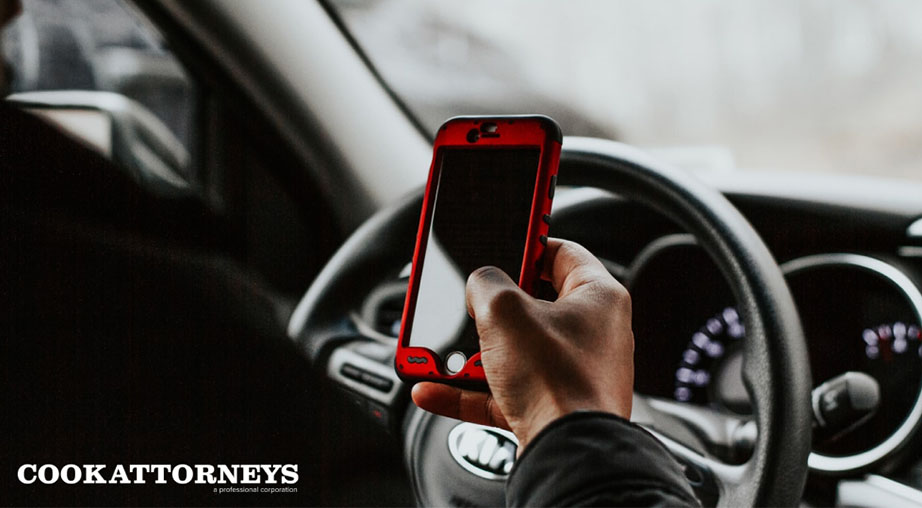
a man is using phone while driving

Is texting and driving illegal in Virginia?

  • Yes, this has been illegal for a few years now. Besides the fact that you could cause serious or fatal damage to persons or property, you could also incur fines of $125 and up if you are caught texting while driving.

What are the current cellular phone laws in Virginia?

  • Current laws prohibit texting (emailing/Facebooking/communicating through a keyboard) while driving. 

How will the law be changing?

  • The Virginia cell phone law that was enacted this year which bans drivers from holding a handheld personal communications device in their hands. This law will begin to be enforced on Jan 1, 2021. 

What state was the first to ban drivers from talking on handheld devices? 

  • New York, in 2001. Many states and the District of Columbia have followed suit, so this certainly is not a new concept in the USA.

Can I still talk on my cell phone in my car, as long as I don’t have a cell phone in hand?

  • This is not a complete phone ban. With this new Virginia hands-free law, you can still talk on the phone as long as you’re not holding it in your hand. So Bluetooth speakers, for instance, would be fine, as long as you can make the call without holding the phone in your hand.

Can I hold my cell phone at a red light?

  • Yes.  The new law permits a driver to hold a cell phone while lawfully stopped or parked.  


PENALTIES FOR BREAKING THE VIRGINIA CELL PHONE DRIVING LAW

You should always follow traffic laws, including ones involving cell phone/mobile device usage. However, if you get pulled over and cited for holding a cell phone or other mobile device while driving, here are the fines that could be leveled against you:

  • $125—first offense
  • $250—second offense
  • $250—any violations in a work zone

If you have been ticketed for an accident as a distracted driver, call Cook Attorneys—your local defense attorney firm—as soon as possible.


EXCEPTIONS TO THE LAW

Basically, it’s safe to say, you should use no phone while driving. But at this point, you might be wondering, “But what if I have to call 9-1-1?” or “What if I’m parked?”

Fortunately, the lawmakers had the same questions. Here are the exceptions to the law that will be enforced Jan 1, 2021:

  • Operators of emergency vehicles, including law enforcement, first responders, firefighters, paramedics, forest wardens, and correctional facility officers in the middle of an emergency
  • Any driver who is lawfully parked and stopped
  • Drivers contacting emergency services
  • Drivers using Ham or CB radios
  • Drivers of any vehicle that lawfully utilizes red or red and white flashing lights

For more information on the technicalities of the law and exceptions, see the Virginia House Bill.


HOW THE LAW PROTECTS YOU

When you hold your phone or mobile device in your hands (for texting or anything really) while driving, you are distracted manually, visually, and cognitively. In other words, you use your hands, eyes, and brain to focus on your device instead of on the road. Statistically, that makes you 2300% percent more likely to be involved in a major or minor accident.

law justice

Lawmakers hope to significantly reduce distracted driving accidents and save a lot of lives by requiring drivers to pay attention more fully to the road in this manner.


CONCLUSION

If you are issued a citation for holding a cell phone, talk to a local Harrisonburg attorney today. At Cook Attorneys, we know the laws and seek to address your concerns in a timely manner. Contact us today!

Similarly, if you have found yourself summoned to Harrisonburg traffic court and need an effective traffic defense lawyer, we are here for you. Fill out the form below to request more information about how we can serve you. We look forward to hearing from you!
 

Virginia New Cell Phone Law 2020


You already know that it’s illegal to text and drive in the Commonwealth of Virginia. You may have heard that the laws may be tightening up.

But what exactly does the new cell phone law mean for you? What can you expect in 2021 from the new distracted driving law?


CURRENT LAW / UPCOMING CHANGES

Chances are, you are someone who has texted while driving. You almost certainly have made phone calls while driving.

But there are laws about these things, and you should know them before the next time you get behind the wheel.

If you are a driver in Virginia, you probably have asked at least one of these questions about cell phone calls. As Harrisonburg lawyers, we’ve certainly heard them all!

a man is using phone while driving

Is texting and driving illegal in Virginia?

  • Yes, this has been illegal for a few years now. Besides the fact that you could cause serious or fatal damage to persons or property, you could also incur fines of $125 and up if you are caught texting while driving.

What are the current cellular phone laws in Virginia?

  • Current laws prohibit texting (emailing/Facebooking/communicating through a keyboard) while driving. 

How will the law be changing?

  • The Virginia cell phone law that was enacted this year which bans drivers from holding a handheld personal communications device in their hands. This law will begin to be enforced on Jan 1, 2021. 

What state was the first to ban drivers from talking on handheld devices? 

  • New York, in 2001. Many states and the District of Columbia have followed suit, so this certainly is not a new concept in the USA.

Can I still talk on my cell phone in my car, as long as I don’t have a cell phone in hand?

  • This is not a complete phone ban. With this new Virginia hands-free law, you can still talk on the phone as long as you’re not holding it in your hand. So Bluetooth speakers, for instance, would be fine, as long as you can make the call without holding the phone in your hand.

Can I hold my cell phone at a red light?

  • Yes.  The new law permits a driver to hold a cell phone while lawfully stopped or parked.  


PENALTIES FOR BREAKING THE VIRGINIA CELL PHONE DRIVING LAW

You should always follow traffic laws, including ones involving cell phone/mobile device usage. However, if you get pulled over and cited for holding a cell phone or other mobile device while driving, here are the fines that could be leveled against you:

  • $125—first offense
  • $250—second offense
  • $250—any violations in a work zone

If you have been ticketed for an accident as a distracted driver, call Cook Attorneys—your local defense attorney firm—as soon as possible.


EXCEPTIONS TO THE LAW

Basically, it’s safe to say, you should use no phone while driving. But at this point, you might be wondering, “But what if I have to call 9-1-1?” or “What if I’m parked?”

Fortunately, the lawmakers had the same questions. Here are the exceptions to the law that will be enforced Jan 1, 2021:

  • Operators of emergency vehicles, including law enforcement, first responders, firefighters, paramedics, forest wardens, and correctional facility officers in the middle of an emergency
  • Any driver who is lawfully parked and stopped
  • Drivers contacting emergency services
  • Drivers using Ham or CB radios
  • Drivers of any vehicle that lawfully utilizes red or red and white flashing lights

For more information on the technicalities of the law and exceptions, see the Virginia House Bill.


HOW THE LAW PROTECTS YOU

When you hold your phone or mobile device in your hands (for texting or anything really) while driving, you are distracted manually, visually, and cognitively. In other words, you use your hands, eyes, and brain to focus on your device instead of on the road. Statistically, that makes you 2300% percent more likely to be involved in a major or minor accident.

law justice

Lawmakers hope to significantly reduce distracted driving accidents and save a lot of lives by requiring drivers to pay attention more fully to the road in this manner.


CONCLUSION

If you are issued a citation for holding a cell phone, talk to a local Harrisonburg attorney today. At Cook Attorneys, we know the laws and seek to address your concerns in a timely manner. Contact us today!

Similarly, if you have found yourself summoned to Harrisonburg traffic court and need an effective traffic defense lawyer, we are here for you. Fill out the form below to request more information about how we can serve you. We look forward to hearing from you!


Speeding Ticket Fines & Cost in Virginia


If you are new to driving in Virginia or, more likely if you are reading this, you have received a traffic ticket in Virginia, we hope to orient you to speeding tickets and traffic fines in Virginia.


SPEEDING TICKET FINES—HOW THEY AFFECT YOUR WALLET

First of all, how much is a speeding fine in Virginia? If you get caught driving faster than speed limit, you can be fined.  For most traffic infractions, the maximum fine is $250.

pay the fines for speeding tickets

If the cited driver appears in court, the amount of the fine is determined by the judge.  If however, the driver chooses to accept guilt and prepay the ticket out of court, the law provides a schedule that will determine the amount of the fine.  Therefore, the amount of the fine cannot be modified by the police officer or by the court clerk.

Virginia’s schedule for speeding tickets sets the following amounts for prepaying a ticket out of court:

  • In most places: $6 per mile over the speed limit
  • In a highway construction zone or school crossing: $7 per mile over the speed limit
  • In a residential zone: $8 per mile over the speed limit PLUS up to $200 extra
  • Processing fee: $51 (at least)

There is not really an average cost of speeding tickets, but for a speeding ticket 10-mile-over the speed limit, you’ll end up paying $111.

You might be thinking, “So…I pay the ticket, and I’m good to go?” Not necessarily. According to NerdWallet, depending on how fast you were going and your driving history, your insurance could increase your premium by 20%! 

This means you could pay hundreds of extra dollars per year to your insurance company until your speeding demerits come off your record. So speeding ticket cost ramifications could go on long beyond your court date.


SPEEDING CONVICTIONS—CONSEQUENCES BEYOND YOUR BANK ACCOUNT

Virginia issues driving demerits for all traffic offenses, including speeding. Here is the breakdown of points:

  • Driving too slowly     3 demerit points
  • 1-9 miles over           3 demerit points
  • 10-19 miles over       4 demerit points
  • 20+ miles over         6 demerit points

speeding convictions

If you accrue too many demerit points, your license will be suspended, and you will be placed on driving probation. If you accrue 18 points in a 12-month period, or 24 points in a 24-month period, your license will be suspended for at least 90 days.

If that happens, you will be required to take a safe driving training class in order to get your license back. If you accrue 12 demerit points in 12 months or 18 points in 24 months, you will be required to take a class anyway.

If you carry a Commercial Drivers License (CDL), your license could be revoked or suspended for going 15+ miles over the speed limit, with just one violation.

Additionally, if you are caught driving 20+ miles per hour over the speed limit (or in excess of 85 miles per hour), you may be charged with Reckless Driving, a Class 1 misdemeanor. For more information on traffic violations and criminal records, read our comprehensive blog post about Virginia traffic violations.


SPEEDING TICKETS—WHAT TO DO ABOUT THEM

If you are pulled over, speak cordially to the officer and do what is asked of you. If your encounter results in a Virginia speeding ticket, you do have a few options:

  • Pay the fine and let the points hit your record (and fall off over the course of time).
  • Pay the fine and take the safe driving class to get the points erased.
  • Contest the fine in court, especially if you think you don’t deserve the ticket.
  • Negotiate the fine in court, to see if you can get it lowered.

Virginia offers safe driving classes at your own discretion or at the order of the court. If you voluntarily take one, it may give you 5 safe driving points (which will easily cancel out one minor speeding ticket).

If the court orders you to attend a safe driving class, you don’t get the points, but it could be a way to avoid license suspension. You can voluntarily take one safe driving class every two years.


CONCLUSION

Speeding tickets in Virginia may be expensive, and they may have long-term consequences; but if you don’t repeat your mistake, and you stick to safe driving, you have nothing to worry about. Do you have questions? Do you believe you were wrongfully charged?

Contact us today at Cook Attorneys to review your options. Learn more by reading all our traffic-related blog posts.

Fill out the form below to request more information about how we can serve you. We look forward to hearing from you!