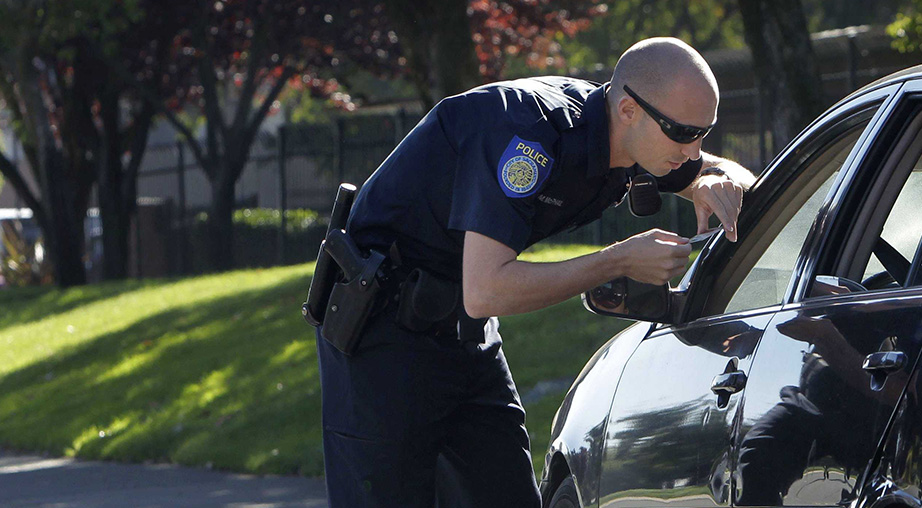
Speeding Ticket Fines & Cost in Virginia


If you are new to driving in Virginia or, more likely if you are reading this, you have received a traffic ticket in Virginia, we hope to orient you to speeding tickets and traffic fines in Virginia.


SPEEDING TICKET FINES—HOW THEY AFFECT YOUR WALLET

First of all, how much is a speeding fine in Virginia? If you get caught driving faster than speed limit, you can be fined.  For most traffic infractions, the maximum fine is $250.

pay the fines for speeding tickets

If the cited driver appears in court, the amount of the fine is determined by the judge.  If however, the driver chooses to accept guilt and prepay the ticket out of court, the law provides a schedule that will determine the amount of the fine.  Therefore, the amount of the fine cannot be modified by the police officer or by the court clerk.

Virginia’s schedule for speeding tickets sets the following amounts for prepaying a ticket out of court:

  • In most places: $6 per mile over the speed limit
  • In a highway construction zone or school crossing: $7 per mile over the speed limit
  • In a residential zone: $8 per mile over the speed limit PLUS up to $200 extra
  • Processing fee: $51 (at least)

There is not really an average cost of speeding tickets, but for a speeding ticket 10-mile-over the speed limit, you’ll end up paying $111.

You might be thinking, “So…I pay the ticket, and I’m good to go?” Not necessarily. According to NerdWallet, depending on how fast you were going and your driving history, your insurance could increase your premium by 20%! 

This means you could pay hundreds of extra dollars per year to your insurance company until your speeding demerits come off your record. So speeding ticket cost ramifications could go on long beyond your court date.


SPEEDING CONVICTIONS—CONSEQUENCES BEYOND YOUR BANK ACCOUNT

Virginia issues driving demerits for all traffic offenses, including speeding. Here is the breakdown of points:

  • Driving too slowly     3 demerit points
  • 1-9 miles over           3 demerit points
  • 10-19 miles over       4 demerit points
  • 20+ miles over         6 demerit points

speeding convictions

If you accrue too many demerit points, your license will be suspended, and you will be placed on driving probation. If you accrue 18 points in a 12-month period, or 24 points in a 24-month period, your license will be suspended for at least 90 days.

If that happens, you will be required to take a safe driving training class in order to get your license back. If you accrue 12 demerit points in 12 months or 18 points in 24 months, you will be required to take a class anyway.

If you carry a Commercial Drivers License (CDL), your license could be revoked or suspended for going 15+ miles over the speed limit, with just one violation.

Additionally, if you are caught driving 20+ miles per hour over the speed limit (or in excess of 85 miles per hour), you may be charged with Reckless Driving, a Class 1 misdemeanor. For more information on traffic violations and criminal records, read our comprehensive blog post about Virginia traffic violations.


SPEEDING TICKETS—WHAT TO DO ABOUT THEM

If you are pulled over, speak cordially to the officer and do what is asked of you. If your encounter results in a Virginia speeding ticket, you do have a few options:

  • Pay the fine and let the points hit your record (and fall off over the course of time).
  • Pay the fine and take the safe driving class to get the points erased.
  • Contest the fine in court, especially if you think you don’t deserve the ticket.
  • Negotiate the fine in court, to see if you can get it lowered.

Virginia offers safe driving classes at your own discretion or at the order of the court. If you voluntarily take one, it may give you 5 safe driving points (which will easily cancel out one minor speeding ticket).

If the court orders you to attend a safe driving class, you don’t get the points, but it could be a way to avoid license suspension. You can voluntarily take one safe driving class every two years.


CONCLUSION

Speeding tickets in Virginia may be expensive, and they may have long-term consequences; but if you don’t repeat your mistake, and you stick to safe driving, you have nothing to worry about. Do you have questions? Do you believe you were wrongfully charged?

Contact us today at Cook Attorneys to review your options. Learn more by reading all our traffic-related blog posts.

Fill out the form below to request more information about how we can serve you. We look forward to hearing from you!

Driving Record And Point Assessment In Virginia


DRIVING RECORD AND POINT ASSESSMENT IN VIRGINIA 

How many points is a speeding ticket in Virginia? How long do points stay on your license in VA? How many points on your license is bad? 


Maybe you’re new to Virginia, you just got a ticket, and you’ve never heard of driving demerit points. You may be thinking, “What are points on a driving record?” Or maybe you are facing a license suspension and need to know how to avoid a suspension of your privilege to drive a motor vehicle.
 

Whatever your situation or questions, we have you covered. Keep reading to find out what a demerit point is, what a safe driving point is, and how to keep your license from being suspended due to an accumulation of drivers license points on your record.


WHY DO YOU EARN BAD/NEGATIVE DRIVING POINTS?

What is your safe driving points balance? If you are licensed to drive by the Virginia Department of Motor Vehicles (DMV), the DMV uses a point system to rate a driver’s record. When you obtain a copy of your DMV driving record or you check your account online, look for the entry listed as your “safe driving points balance” in Virginia.


When you are convicted of certain criminal offenses or traffic infractions, you will earn demerit points on your driving record. Each type of charge is assigned a certain demerit point value of 3, 4, or 6 points. 


Think of these as negative safe driving points on your record. While these negative driving points are calculated into your safe driving points balance for two years from the date of the offense, the length of time that the conviction continues to be listed on your Virginia driving record depends on the severity of the violation, from 3 to 11 years.


Convictions are reported to the Virginia Department of Motor Vehicles (DMV) who assigns, monitors, and tracks demerit or your DMV points in VA. This information is provided to your insurance company upon request. 


We should note that the point system used by your insurance company for their internal purposes is probably a different point system than being discussed here.


safe driving points balance negative


If you accumulate a certain number of demerit points on your DMV record in Virginia, your license will be affected. Here is the breakdown for drivers 18 and older:

  • 8 points in 12 months or 12 points in 24 months—you will get a warning letter from the DMV
  • 12 points in 12 months or 18 points in 24 months—you will get a notice from the DMV that you need to complete a driver improvement clinic within 90 days to avoid suspension
  • 18 points in 12 months or 24 points in 24 months—you will get a notice from the DMV that you need to complete a driver improvement clinic, AND your license will be suspended for 90 days.


Examples of 3-point violations: 

  • Speeding (1-9 miles above posted speed limit)
  • Improper passing
  • Changing course after signaling
  • Driving without appropriate lights
  • Texting while driving


Examples of 4-point violations:

  • Speeding (10-19 miles above posted speed limit)
  • Unsafe passing
  • Failure to yield the right-of-way
  • Improper signaling
  • Failure to obey traffic signal


Examples of 6-point violations:

  • Speeding (20+ miles above posted speed limit)
  • Reckless driving
  • Driving on a suspended license
  • Driving while intoxicated
  • Involuntary manslaughter

To read more about the demerit system and the point value of each violation, go to the DMV website for Virginia.


virginia dmv safe driving points


HOW TO EARN GOOD POINTS 

Don’t worry! To offset demerit points, you can also earn Safe Points. Think of these as positive points on your VA driving record, to balance out the negative points.


You can earn Safe Points two different ways:

  1. One point for each year with a Virginia license without any violations or suspensions. You can accumulate up to 5 DMV points this way.
  2. Five points for each time you complete an approved driver improvement clinic. You may voluntarily take one of these every two years, and as mandated by the DMV. Points earned by attending driver improvement clinics are applied the April of the following calendar year.


HOW TO KEEP FROM LOSING YOUR LICENSE

There are a number of ways to keep from losing your license:

  1. If you get a notice from the DMV that you need to complete a driver improvement clinic, do that immediately to cancel out the demerit points you have accrued. Take advantage of the chance to improve your safe driving points balance in Virginia.
  2. Drive safely, accrue Safe Points, and let past demerits fall off your record.
  3. Drive safely and don’t get tickets in the first place! Mistakes happen, though, and we want to be there for you if your driving record gets out of hand. 


If you have any questions about driving safety, your Virginia driving record, Harrisonburg traffic court, or your legal recourse in case of suspension, contact Cook Attorneys today!

If you are interested in finding out how many points are on your license/record, check the Virginia DMV website.


CONCLUSION

The driving point system was created to keep Virginians safe. But if you’ve had more than your share of DMV demerit points in VA or if you have questions about anything else regarding driving points in VA, don’t hesitate to contact us. 


In addition, if you have a commercial operators license or you are a driver younger than 18, you should know that there may be additional considerations and harsher penalties not discussed in this post, and that you especially should consult with a speeding ticket lawyer before heading to court.


We are here for you as your traffic defense lawyers! We can even walk you through how to check how many points you have on your license. 


Fill out the form below to request more information about how we can serve you. We look forward to hearing from you.

Driving Record And Point Assessment In Virginia

Driving speeding record


DRIVING RECORD AND POINT ASSESSMENT IN VIRGINIA 

How many points is a speeding ticket in Virginia? How long do points stay on your license in VA? How many points on your license is bad? 


Maybe you’re new to Virginia, you just got a ticket, and you’ve never heard of driving demerit points. You may be thinking, “What are points on a driving record?” Or maybe you are facing a license suspension and need to know how to avoid a suspension of your privilege to drive a motor vehicle.
 

Whatever your situation or questions, we have you covered. Keep reading to find out what a demerit point is, what a safe driving point is, and how to keep your license from being suspended due to an accumulation of drivers license points on your record.


HOW TO EARN BAD POINTS 

If you are licensed to drive by the Virginia Department of Motor Vehicles (DMV), the DMV uses a point system to rate a driver’s record. When you obtain a copy of your DMV driving record or you check your account online, look for the entry listed as your “safe driving points balance.”


When you are convicted of certain criminal offenses or traffic infractions, you will earn demerit points on your driving record. Each type of charge is assigned a certain demerit point value of 3, 4, or 6 points. 


Think of these as negative safe driving points on your record. While these negative points are calculated into your safe driving points balance for two years from the date of the offense, the length of time that the conviction continues to be listed on your Virginia driving record depends on the severity of the violation, from 3 to 11 years.


Convictions are reported to the Virginia Department of Motor Vehicles (DMV) who assigns, monitors, and tracks demerit or DMV points. This information is provided to your insurance company upon request. 


We should note that the point system used by your insurance company for their internal purposes is probably a different point system than being discussed here. 


Driving speeding record


If you accumulate a certain number of demerit points on your DMV record, your license will be affected. Here is the breakdown for drivers 18 and older:

  • 8 points in 12 months or 12 points in 24 months—you will get a warning letter from the DMV
  • 12 points in 12 months or 18 points in 24 months—you will get a notice from the DMV that you need to complete a driver improvement clinic within 90 days to avoid suspension
  • 18 points in 12 months or 24 points in 24 months—you will get a notice from the DMV that you need to complete a driver improvement clinic, AND your license will be suspended for 90 days.


Examples of 3-point violations: 

  • Speeding (1-9 miles above posted speed limit)
  • Improper passing
  • Changing course after signaling
  • Driving without appropriate lights
  • Texting while driving


Examples of 4-point violations:

  • Speeding (10-19 miles above posted speed limit)
  • Unsafe passing
  • Failure to yield the right-of-way
  • Improper signaling
  • Failure to obey traffic signal


Examples of 6-point violations:

  • Speeding (20+ miles above posted speed limit)
  • Reckless driving
  • Driving on a suspended license
  • Driving while intoxicated
  • Involuntary manslaughter


To read more about the demerit system and the point value of each violation, go to the DMV website for Virginia.


How to earn good points


HOW TO EARN GOOD POINTS 

Don’t worry! To offset demerit points, you can also earn Safe Points. Think of these as positive points on your VA driving record, to balance out the negative points. 


You can earn Safe Points two different ways:

  1. One point for each year with a Virginia license without any violations or suspensions. You can accumulate up to 5 DMV points this way.
  2. Five points for each time you complete an approved driver improvement clinic. You may voluntarily take one of these every two years, and as mandated by the DMV. Points earned by attending driver improvement clinics are applied the April of the following calendar year.


HOW TO KEEP FROM LOSING YOUR LICENSE 

There are a number of ways to keep from losing your license:

  1. If you get a notice from the DMV that you need to complete a driver improvement clinic, do that immediately to cancel out the demerit points you have accrued. Take advantage of the chance to improve your safe driving points balance.
  2. Drive safely, accrue Safe Points, and let past demerits fall off your record.
  3. Drive safely and don’t get tickets in the first place! Mistakes happen, though, and we want to be there for you if your driving record gets out of hand. 

If you have any questions about driving safety, your driving record, Harrisonburg traffic court, or your legal recourse in case of suspension, contact Cook Attorneys today!


If you are interested in finding out how many points are on your license/record, check the Virginia DMV website.


CONCLUSION 

The driving point system was created to keep Virginians safe. But if you’ve had more than your share of demerits or if you have questions about anything else regarding driving points in VA, don’t hesitate to contact us. 


In addition, if you have a commercial operators license or you are a driver younger than 18, you should know that there may be additional considerations and harsher penalties not discussed in this post, and that you especially should consult with a lawyer before heading to court.


We are here for you as your traffic defense lawyers! We can even walk you through how to check how many points you have on your license. 


Fill out the form below to request more information about how we can serve you. We look forward to hearing from you.

Barrier Crimes In Virginia – Fully Explained in 2 Minutes

barrier crimes in Virginia

Employers in Virginia have broad discretion to refuse to hire and to fire employees for most reasons, including for the reason that an employee has been convicted—or even charged—with a criminal offense. But there are some jobs that a person convicted of certain crimes cannot legally hold. These are often known as ‘barrier crimes.’


WHAT IS A BARRIER CRIME?

A barrier crime is a criminal conviction that legally disqualifies the person who has been convicted to work in certain jobs. Once a qualifying barrier crime is on someone’s criminal record, this crime permanently bars them from future employment in certain jobs. It also prohibits continuation in an existing job that falls into the category of jobs which are illegal for someone convicted of a barrier crime to hold.

Because the consequences of conviction in such a situation are so great, the time to minimize the consequences is before—not after—the criminal case is concluded. If you have been arrested and are concerned about the consequences of a conviction for a criminal offense on your current or future employment, meeting with an effective criminal defense attorney as soon as possible is important to developing a legal strategy to avoid conviction or to negotiate an outcome that downgrades the charge to an offense that is not a barrier crime in your profession.

Our Harrisonburg attorneys are experienced in defending clients against criminal charges, including barrier crime charges, and we are ready to help you fight your case.

what is a barrier crime


EMPLOYMENT OPPORTUNITIES WITH BARRIER CRIMES

Virginia law enumerates job opportunities where criminal convictions will legally disqualify individuals from working in that field.  For example, certain driving offenses or felonies committed while driving will disqualify drivers from obtaining commercial driver’s licenses (CDL).  First responders cannot have been convicted of certain crimes of violence. Other jobs such as real estate agents, pharmacists, and private security contractors link to also have certain lists of barrier crimes associated with their professions.

The largest group of affected jobs and the largest list of barriers crimes fall under the broad category of “employees or volunteers providing care to children or the elderly or disabled.”  Virginia law lists around more than 150 criminal offenses that will render a person convicted (or under pending indictment) to be prohibited from working or volunteering in a position that involves unsupervised access to children or the elderly or disabled.   

Some of the crimes in that long list include:

  • Hazing of youth gang members or hazing in schools
  • Reckless handling of firearms while hunting
  • Allowing access to firearms by children
  • Assault and battery
  • Disarming law enforcement
  • Pointing a laser at law enforcement
  • Robbery
  • Carjacking
  • Extortion
  • Felony stalking
  • Rape
  • Drug possession
  • Threatening the Governor or their immediate family
  • Threats of death or bodily injury to a person or their family on school property
  • Burning or destroying someone’s home
  • Intentionally setting fire to woods, fences, or grass
  • Felony violation of willfully discharging firearms in public
  • Possession of a sawed-off shotgun or rifle
  • Felony violation of shooting at vehicles so as to endanger persons
  • Failure to secure medical attention for an injured child
  • Commercial sex trafficking
  • Crimes against nature
  • Production, publication, sale, financing of child pornography
  • Felony violation of unlawful assembly
  • Conspiracy, incitement to riot
  • Delivery of drugs, firearms, explosives to prisoners
  • Escaping from a juvenile facility

If you have been arrested for one of the listed crimes and you work in the medical field, in a nursing home, in child care, or in the school system; or if you are a student planning to work with children, the elderly, or the disabled; or if you enjoy volunteering for groups such as Big Brothers and Big Sisters or in your church’s Sunday School or nursery, it is very important that you hire the best local defense attorney you can to avoid the potential lifetime bar to continuing your service to others.

barrier crime conviction in Virginia

Although some states permit individuals convicted of barrier crimes to receive certificates of rehabilitation to remove their barriers to employment, the state of Virginia does not. That’s why it’s all the more critical to have an experienced VA criminal lawyer on your side.


WE WILL WORK WITH YOU TO ACHIEVE THE BEST POSSIBLE OUTCOME FOR A BARRIER CRIME CHARGE

Our team at Cook Attorneys in Harrisonburg, VA has been defending barrier crimes cases for clients for twenty years. We can inform you of whether your offense is a barrier crime to your employment and develop a strategy to defend you in court toward the goal of having your criminal charges dismissed or downgraded. 

Fill out the form below to request more information about how we can serve you. We look forward to hearing from you.


Reckless Driving and Improper Driving

reckless driving and improper driving in Virginia

While the legal terms “Reckless Driving” and “Improper Driving” may sound similar, their consequences can be dramatically different. Especially here in the state of Virginia.

Our attorneys regularly handle traffic defense in Harrisonburg and throughout the Shenandoah Valley of Virginia representing clients in need of a traffic defense lawyer, and we are here to help you understand the difference between reckless driving and improper driving. We’ll also offer guidance on what to do if you’ve been charged with reckless driving in Virginia.


RECKLESS DRIVING

Reckless driving, unlike most traffic infractions, is a criminal offense in Virginia. Classified as a Class 1 Misdemeanor, penalties for conviction can include up to 12 months in jail, $2500 in fines, and operator’s license suspension of up to six months.

In Virginia, reckless driving is generally defined as driving in such a way that endangers the life, limb, or property of another person. In addition, certain driving violations are themselves deemed to be reckless driving by the Virginia legislature.

The most common violation we see in our office that is deemed in itself to be reckless driving is “reckless driving by speed.” A driver caught driving more than 20 MPH over the speed limit may be cited for reckless driving. A recent change in the law taking effect July 1, 2020, raises from 80 to 85 MPH the threshold for reckless driving on the interstate where the speed limit is 70.

Examples of additional traffic violations which can be charged as reckless driving under the Virginia Code include the following:

  • Driving with driver’s view obstructed or control impaired
  • Failing to give proper signals
  • Passing a stopped school bus
  • Operating a vehicle with faulty brakes
  • Passing on or at the crest of a grade or on a curve
  • Passing two vehicles abreast
  • Certain failures to yield the right-of-way
  • Racing on the highway
  • Passing at a railroad grade crossing

reckless driving cases that need a local defense attorney


IMPROPER DRIVING

Improper driving in Virginia is unique in the law: it is a traffic infraction for which a driver cannot be charged by the police. However, in court, judges and prosecutors have the discretion to downgrade any reckless driving charge to an improper driving charge. You can learn more about the role of a prosecutor on our blog.

Improper driving is peculiarly defined under Virginia Code § 46.2-869 to be reckless driving with “slight” culpability. As a traffic infraction, the punishment for a charge of improper driving is limited to a fine of not more than $500. If you have a Virginia driver’s license and are convicted of improper driving, the DMV will assess 3 demerit points against your license which will remain on your DMV record for 3 years.


For comparison, penalties for reckless driving can include the following:

  • 12 months in jail
  • $2,500 fine
  • Driver’s license suspension for up to six months
  • 6 demerit points from DMV which will stay on your license for 11 years
  • A conviction for a misdemeanor on your criminal record

These penalties can trigger further consequences for those convicted, such as employment barriers (due to a criminal record or a serious traffic offense appearing on a background check, especially for a job that requires driving) and immigration hurdles.

Many of our out of state clients are alarmed to learn that on the interstate in Virginia, a reckless driving charge requires you (or your lawyer) to appear in court and can result in a license suspension in your home state. On our blog, you can learn more about whether a VA traffic ticket will affect your license if you’re from another state. And about our free traffic defense consultations by telephone.


penalties for reckless driving and improper driving


SHOULD YOU HIRE A LAWYER TO FIGHT RECKLESS DRIVING CHARGES?

If you’ve been cited for reckless driving in Virginia, you should at least consult with a local defense attorney.

A reckless driving attorney will give you a fighting chance of having your citation reduced to an improper driving charge; if you simply accept a reckless driving charge, you’ll face large fines, points on your license, a criminal record, and in rare cases, jail time.

In the right case, an experienced attorney can even help you to have your charge dropped entirely.

Factors that your legal counsel may leverage in court to have your reckless driving charge lessened to an improper driving charge, or dropped completely, could include your good driving record, the circumstances surrounding your driving and the traffic stop or accident, and technicalities such as the validity of the citing officer’s radar gun’s calibration certificate. Many times we can negotiate on your behalf with the officer and the prosecutor for you to participate in a driving clinic or community service in order to have your charges reduced, or sometimes dismissed.


WE CAN DEFEND YOU AGAINST RECKLESS DRIVING CHARGES

Our lawyers in Harrisonburg, VA have decades of experience helping members of our community to achieve the best possible outcomes for their case. We invite you to contact us to discuss whether we can represent you in Harrisonburg traffic court.

Remember, reckless driving is a criminal offense, whereas improper driving is merely a traffic ticket. By investing in legal support, you increase your chances of having your case downgraded to improper driving, or better-still, having your case dismissed.

Fill out the form below to request more information about how we can serve you. We look forward to hearing from you!


Reckless Driving and Improper Driving

reckless driving and improper driving in Virginia

While the legal terms “Reckless Driving” and “Improper Driving” may sound similar, their consequences can be dramatically different. Especially here in the state of Virginia.

Our attorneys regularly handle traffic defense in Harrisonburg and throughout the Shenandoah Valley of Virginia representing clients in need of a traffic defense lawyer, and we are here to help you understand the difference between reckless driving and improper driving. We’ll also offer guidance on what to do if you’ve been charged with reckless driving in Virginia.


RECKLESS DRIVING

Reckless driving, unlike most traffic infractions, is a criminal offense in Virginia. Classified as a Class 1 Misdemeanor, penalties for conviction can include up to 12 months in jail, $2500 in fines, and operator’s license suspension of up to six months.

In Virginia, reckless driving is generally defined as driving in such a way that endangers the life, limb, or property of another person. In addition, certain driving violations are themselves deemed to be reckless driving by the Virginia legislature.

The most common violation we see in our office that is deemed in itself to be reckless driving is “reckless driving by speed.” A driver caught driving more than 20 MPH over the speed limit may be cited for reckless driving. A recent change in the law taking effect July 1, 2020, raises from 80 to 85 MPH the threshold for reckless driving on the interstate where the speed limit is 70.

Examples of additional traffic violations which can be charged as reckless driving under the Virginia Code include the following:

  • Driving with driver’s view obstructed or control impaired
  • Failing to give proper signals
  • Passing a stopped school bus
  • Operating a vehicle with faulty brakes
  • Passing on or at the crest of a grade or on a curve
  • Passing two vehicles abreast
  • Certain failures to yield the right-of-way
  • Racing on the highway
  • Passing at a railroad grade crossing

reckless driving cases that need a local defense attorney


IMPROPER DRIVING

Improper driving in Virginia is unique in the law: it is a traffic infraction for which a driver cannot be charged by the police. However, in court, judges and prosecutors have the discretion to downgrade any reckless driving charge to an improper driving charge. You can learn more about the role of a prosecutor on our blog.

Improper driving is peculiarly defined under Virginia Code § 46.2-869 to be reckless driving with “slight” culpability. As a traffic infraction, the punishment for a charge of improper driving is limited to a fine of not more than $500. If you have a Virginia driver’s license and are convicted of improper driving, the DMV will assess 3 demerit points against your license which will remain on your DMV record for 3 years.


For comparison, penalties for reckless driving can include the following:

  • 12 months in jail
  • $2,500 fine
  • Driver’s license suspension for up to six months
  • 6 demerit points from DMV which will stay on your license for 11 years
  • A conviction for a misdemeanor on your criminal record

These penalties can trigger further consequences for those convicted, such as employment barriers (due to a criminal record or a serious traffic offense appearing on a background check, especially for a job that requires driving) and immigration hurdles.

Many of our out of state clients are alarmed to learn that on the interstate in Virginia, a reckless driving charge requires you (or your lawyer) to appear in court and can result in a license suspension in your home state. On our blog, you can learn more about whether a VA traffic ticket will affect your license if you’re from another state. And about our free traffic defense consultations by telephone.

penalties for reckless driving and improper driving


SHOULD YOU HIRE A LAWYER TO FIGHT RECKLESS DRIVING CHARGES?

If you’ve been cited for reckless driving in Virginia, you should at least consult with a local defense attorney.

A reckless driving attorney will give you a fighting chance of having your citation reduced to an improper driving charge; if you simply accept a reckless driving charge, you’ll face large fines, points on your license, a criminal record, and in rare cases, jail time.

In the right case, an experienced attorney can even help you to have your charge dropped entirely.

Factors that your legal counsel may leverage in court to have your reckless driving charge lessened to an improper driving charge, or dropped completely, could include your good driving record, the circumstances surrounding your driving and the traffic stop or accident, and technicalities such as the validity of the citing officer’s radar gun’s calibration certificate. Many times we can negotiate on your behalf with the officer and the prosecutor for you to participate in a driving clinic or community service in order to have your charges reduced, or sometimes dismissed.


WE CAN DEFEND YOU AGAINST RECKLESS DRIVING CHARGES

Our lawyers in Harrisonburg, VA have decades of experience helping members of our community to achieve the best possible outcomes for their case. We invite you to contact us to discuss whether we can represent you in Harrisonburg traffic court.

Remember, reckless driving is a criminal offense, whereas improper driving is merely a traffic ticket. By investing in legal support, you increase your chances of having your case downgraded to improper driving, or better-still, having your case dismissed.

Fill out the form below to request more information about how we can serve you. We look forward to hearing from you!


Can Traffic Stops Lead To More Charges?

Police officers at Virginia traffic stops


WHAT IS A ROUTINE TRAFFIC STOP IN VIRGINIA


A traffic stop, also commonly referred to as being pulled over by the police or getting stopped by police, can easily lead to more charges. Our traffic lawyers in Harrisonburg, VA have helped many people in need of local criminal attorneys because they were stopped for a routine traffic violation that escalated into a drug arrest or DUI charge. 


In Virginia, traffic stops occur when the police have reason to suspect a driver is violating a law. Some of our clients ask, “When are traffic stops illegal in Virginia?” A police officer can pull anyone over on the grounds of suspicious activity or suspected law violation. 


As for how many traffic stops per day are required or allowed—the answer is: as many as the police officer has reasonable suspicion to do so.


WHEN IS IT LEGAL FOR THE POLICE TO PULL YOU OVER?


A law enforcement officer has the authority to briefly detain any person the officer reasonably suspects is involved in criminal activity, and this authority includes stopping any motor vehicle driver who has committed (or may have committed) a driving offense, an equipment violation, or any number of violations of law.  

Even if it later turns out that the police officer was incorrect and you were not in violation of any laws, their decision to pull you over will still have been legal so long as the officer had a reasonable suspicion that he or she can articulate to show that they believed the stop was authorized. Police traffic stop procedures require that they tell you why they pulled you over.


traffic charges in VA


WHAT ARE REASONS FOR THE POLICE TO PULL YOU OVER?


As part of police protocol for traffic stops, there are many reasons an officer can give to justify his decision to pull over a driver—from specific observations about the manner of the driving, to improper or broken equipment on the vehicle. Here are some of the justifications we regularly see:


  • Broken Headlights Or Taillights
  • Driving Over The Speed Limit
  • Driving Too Slowly
  • Failure To Use A Turn Signal 
  • Failure To Wear A Seatbelt
  • Following too closely
  • Illegally Tinted Windows
  • Illegal Use Of A Phone
  • Illegal U-Turns
  • Improper Lane Changes
  • Littering
  • Objects dangling from the rear view mirror
  • Obscured License Plate
  • Reckless driving
  • Running a red light or stop sign
  • Swerving
  • Tailgating/following too closely
  • Wearing headphones in/over both ears

free traffic consultation Harrisonburg


WHAT HAPPENS DURING A TRAFFIC STOP IN VIRGINIA?


Some people wonder what to do when stopped by police. First of all, remain calm and considerate.

Once you’ve been signaled by the police for a traffic stop, look for a safe place to pull over. 

Use your parking brake, turn off the radio, turn on your overhead light (if it is dark), and keep your hands on your steering wheel to indicate to the officer that you are not planning to reach for a weapon. 


Do you have to roll your window down for police?
You should. The officer will approach your window and will likely ask for your driver’s license and vehicle registration. 

If he asks, “Do you know why I pulled you over?”, even if you think you know, answer, “No.”

Otherwise, if you affirmatively answer this question, you’ve admitted guilt which will be used against you if you later try to challenge the ticket in court.


The officer has the authority to question you about the facts associated with the violation they think has occurred. This might include asking you to sit in their police car for questioning. 

Questions typically include where you are coming from, where you are traveling to, and why you are traveling. They may also question any passengers in the vehicle to verify the answers you’ve provided. 

A computer check will likely be conducted of you, your passengers, and your vehicle to make sure the vehicle isn’t stolen and to determine if there are any outstanding warrants for you or those who you are traveling with. 


If, during the traffic stop, the officer has a reasonable suspicion that other criminal activity is present, such as someone driving under the influence (DUI), the transportation of illegal drugs, or other illegal activities, the police officer has the authority to ask additional questions about this suspected activity.


Importantly, you do not need to answer any questions other than identifying yourself to the officer. Indeed, if at any time you feel uncomfortable about answering a question or are being pressured by the officer to do so, it is likely that you should not be answering any more questions. Remember that you are protected by the United States Constitution’s 5th Amendment’s privilege against incriminating yourself, but only if you exercise that right and remain silent.

criminal defense Harrisonburg VA


HOW CAN A TRAFFIC STOP GO WRONG?


Traffic stops in Virginia, or in any state for that matter, can go wrong in a number of ways. It doesn’t happen often, but it can happen, so let’s take a look at what not to do when you are pulled over for a traffic stop.


  1. Keep your hands where the officer can see them. If you have nothing to hide, you have nothing to worry about.
  2. Be polite. The officer is just doing his or her job. You may feel that it was wrong for them to pull you over. Be polite anyway, and things will go much more smoothly.
  3. Do not run. Only get out of the car if the officer asks you to. If you are asked to get out of the car, do not run. Most people who are injured or killed in a routine traffic stop are ones who have started running away from the police.
  4. Do not allow the police to search the vehicle, especially if it is not your vehicle. If you give consent to have your vehicle searched, it will make it harder to win your case later in court (should it come to that).


We’ve been asked, “Why do many traffic stops go wrong?” when really—not that many go wrong. It is up to you to do your part in remaining above reproach during the stop. 


If you get a ticket that you believe was wrongfully issued, Cook Attorneys can help you fight it in court. There is no need to make a scene or plead your case during the traffic stop.


ARE THE POLICE ALLOWED TO SEARCH A CAR DURING A ROUTINE TRAFFIC STOP?


If you’ve been pulled over by a police officer for a traffic violation, you should not agree to allow them to search your car.  If the officer asks for consent to search your car, you can and must say no.


Certainly, there are times when the officer has the authority to search a vehicle. If, for example, the officer has evidence establishing probable cause (which is more than the reasonable suspicion necessary to stop the car) to believe that there are illegal drugs or other contraband in the vehicle or if there is evidence of another type of crime within your car, then they can remove the occupants from the vehicle and search it. Even if the officer has probable cause to search the vehicle, they may not have authority to open containers (such as backpacks) in the vehicle, so do not give consent to open such items even after a search is underway.


You can learn more in our blog post “When Should I Give Consent For The Police To Search My Car?”


WHAT ARE YOUR RIGHTS DURING A TRAFFIC STOP IN VIRGINIA?


Other than identifying yourself, you are not required to answer any questions presented to you by a police officer during a traffic stop. 


Although it may feel very uncomfortable to remain silent, it is within your constitutional rights to do so. 

The more information you provide to an officer, the more evidence they can build against you in a court of law. Following is a list from the ACLU’s website of your rights as driver:


Your rights as a driver

  • You can delay pulling over right away if it’s not safe.
  • Officers require probable cause to pull you over.
  • You can exercise your Fifth Amendment right to stay quiet.
  • You don’t have to take a roadside breathalyzer test.
  • You have to stop at police checkpoints if you’re selected.
  • You can record encounters with police.
  • Police can search your vehicle with enough reason.
  • The laws about traffic stops in each state are often different.
  • You can later challenge an illegal stop with legal help.


WE CAN SUPPORT YOU IF YOU ARE FACING CRIMINAL CHARGES


If you are facing criminal charges from a traffic stop or any other matter, our attorneys in Harrisonburg, VA will ensure the best possible outcome for your case. 


To request more information about how we can serve you and our free criminal defense consultations, please fill out the form below or call us to schedule an appointment today. Se habla español.

Are Traffic Lawyers More Expensive Than Paying The Fines?

traffic lawyer cost vs paying the fines


If you’ve received a traffic violation citation, it may seem easier to just pay your traffic fine and move on.  But consider the total cost of a traffic ticket, including increased insurance premiums down the road, especially if your driving history has not been great.  


It is best to consult with lawyers that handle traffic tickets when you’re facing such a decision. It may surprise you, but hiring a traffic ticket attorney can be less expensive in the long run. 


PREPAYING YOUR TRAFFIC TICKET IS AN OMISSION OF GUILT

Something many people don’t consider, is that when you pre-pay your traffic ticket, you’re admitting guilt for the offense charged. This means that by default, the court will find you guilty, and therefore, in addition to the traffic fine you’ll pay, you will likely also accrue points on your license and with your auto insurance provider. 


Learn more about what happens when you prepay a traffic ticket in this Cook Attorneys blog article.


TRAFFIC TICKETS CAN LEAD TO HIGHER INSURANCE COSTS FOR 3-5 YEARS  

When you prepay a traffic ticket, you need to understand that points may be added to your auto insurance as a result. Points added to your insurance premium can add up to thousands of dollars over the years that the points from a traffic ticket can stay on your record. 


Points may also be added to your driver’s license, potentially resulting in the loss of your license. If you’re someone who depends on driving an automobile for your work to reach your job and to support your family, the loss of your license can be devastating. An experienced traffic attorney can help to prevent such an outcome.  


You can learn more about how drivers license “Demerit Points” work in the State of Virginia, here.


WHY ARE TRAFFIC TICKETS SO EXPENSIVE?  

Virginia traffic ticket fines seem steep to many people, but that is only because Virginia takes traffic laws very seriously. In addition to causing damage to yourself or property, you could seriously injure or kill someone else when you are not following traffic laws. The Commonwealth of Virginia has some of the strictest speeding laws in the country, and police are trained to enforce them. 


how expensive are traffic lawyers


HOW MUCH DO TRAFFIC LAWYERS COST?

Many people ask us, “Is it worth it to hire a lawyer for a traffic ticket?” While only you can determine that for yourself, we can provide information here on traffic lawyer fees to help you make the best decision for you. Each traffic lawyer will set their own rates and terms according to the following:

  • The lawyer’s education, experience, and reputation
  • The level of complexity of the client’s case
  • The time and effort required to handle the case
  • The current competitive traffic lawyer cost for comparable legal services in the lawyer’s geographic area
  • The type of payment/fee arrangement: fixed vs contingent

At Cook Attorneys, we charge a flat (or fixed) fee to represent you on charges that you committed a traffic violation. 


Keep in mind that non-misdemeanor traffic citations can add up to consequential higher insurance rates that may cost you more than the cost of a traffic lawyer. The money you’ll save by hiring professional legal representation will likely be even higher if you’ve been ticketed for reckless driving, driving without a license, Driving Under the Influence (DUI), or other misdemeanor traffic violations. 


GET A FREE CONSULTATION ABOUT YOUR VIRGINIA TRAFFIC TICKET

Free consultation for a traffic defense


At Cook Attorneys in Harrisonburg, VA, we offer free traffic defense consultations, which you can learn more about here, in this article. If you’ve been ticketed in Virginia for a traffic violation, we can appear for you in court and save you time and money by negotiating on your behalf to have your charges dropped, dismissed, or reduced.


While receiving a ticket can be frustrating, fighting it doesn’t have to be. While the police officer who issued your ticket may have told you that you can’t prepay your reckless driving ticket and that you must return to appear in court, most out-of-town traffic clients who are represented by legal counsel never have to return to Harrisonburg, Virginia to appear in court.


We can help you to achieve the best possible outcome for your case. If you received a reckless driving or other traffic violation in the Harrisonburg, VA area but live outside of Virginia, you are in need of local lawyers that handle traffic tickets.


We invite you to contact us to schedule a free telephone consultation and learn more about traffic lawyer costs. Most consultations only require fifteen minutes, so what do you have to lose? Se habla español. We look forward to working with you.

What to Expect During the Process of a Trial?

criminal defense lawyers Virginia


As criminal defense lawyers in Harrisonburg, VA, our team at Cook Attorneys tries cases for those in our community who need legal defense. However, until the time comes when someone needs lawyers that handle traffic tickets, DUI lawyers in Harrisonburg, VA, or other legal representation, most individuals are unaware of what happens during a trial.


THE KEY PLAYERS IN A TRIAL

criminal defense attorneys


In our legal system, a trial between adversaries is believed to be the path to truth and justice. In a criminal case, a trial determines whether the accused is guilty or not guilty. Every defendant is presumed to be innocent until he is proven guilty. 


Criminal cases are officially brought to court by the government. The lawyer who represents the government in the trial is known as a prosecutor. The role of the prosecutor is to present evidence sufficient to prove the guilt of the person or business accused of the crime. The prosecutor holds the responsibility of proving the defendant’s guilt beyond a reasonable doubt. Conversely, the defendant is not required to prove his innocence. If the prosecutor is unable to prove the guilt of the defendant beyond a reasonable doubt, the accused will be found not guilty.


The attorney who represents the accused is the defense attorney. While those who cannot afford an attorney are assigned a defense attorney by the court, many defendants choose to retain (hire) an attorney to defend them against the charges brought by the prosecutor.


Criminal trials in the General District Court and the Juvenile and Domestic Relations Court are bench trials; that is, the case is decided by a judge. In the Circuit Court, the case may be tried as a bench trial or as a jury trial. In a jury trial members of the community decide whether the accused is guilty. Virginia is one of the few states where the jury also makes a recommendation regarding the sentence. In most states and in federal court, the judge, not the jury, determines the sentence. 


THE TRIAL

Opening statements are given by one or both sides by the prosecution and/or defense. These statements sometimes provide an overview of the case and summarize the evidence and sometimes alert the judge or the jury to the important issues they need to watch for during the trial.


Because the burden of proof rests on the prosecution, they are given the first opportunity to present evidence, usually the testimony of witnesses and the presentation of physical evidence. The defense is given the opportunity to present evidence, but in a criminal case, there is no requirement that evidence is presented, and that the defendant did not present evidence cannot be held against the defendant.


After the presentation of closing statements by both the prosecution and the defense, the judge or the jury will be given the opportunity to consider all the evidence and the law of the case before rendering a verdict.


If the defendant is found guilty of the charges, the judge or the jury will consider additional evidence — such as the defendant’s prior record, evidence of the defendant’s character, or victim impact evidence — before announcing the sentence. Of course, if the person is found not guilty, then he is free to go.


Do you need a lawyer Harrisonburg VA? We offer free criminal case consultations and provide traffic defense consultations by phone. Se habla español.

If you’re ready to get started, please fill out the form below to request more information about how we can serve you. We look forward to hearing from you!