Hunting Laws in Virginia: Some Highlights


Hunting in some form is legal in all 50 states. Just like with most states, the Commonwealth of Virginia has rules governing permits, locations, safe practices, and much related to hunting. 


LICENSES

hunting in virgina

[seadev_quote id="hunting-laws-in-virginia" cite="https://cookattorneys.com/hunting-laws-in-virginia/?hunting-laws-in-virginia%22]Virginia law states that in order to go hunting in Virginia, you must:

  • Obtain a hunting license in Virginia.
  • Carry it with you when you hunt; it can be paper or electronic.
  • Show it to any officer or landowner (whose property you are hunting on) who asks to see it.[/seadev_quote]


If you are 12-15 years old or obtaining a license for the first time, you must also complete a hunter education course. 


Here is what happens if you get caught hunting in Virginia without a license: you will be required to…

  • Pay a fee equal to the cost of the license.
  • Pay up to $500 in fines as decided by the judge.
  • Purchase a license before hunting again.


The offense is a Class 3 Misdemeanor and will remain on your record. If you purchase a hunting license before going to court, the judge is not allowed to let you off the hook with the fines/charge; the law requires the punishment be carried out regardless.


If you are caught hunting in Virginia without carrying your license, or if you cannot provide it to any officer who asks for it, that is a Class 4 Misdemeanor and will remain on your record. The fine is up to $250 as determined by the judge.


SAFETY LAWS

There are three major safety hunting laws in Virginia. They deal with:

  • Hunting under the influence of drugs or alcohol
  • Reckless handling of firearms
  • Blaze color requirements


Hunting under the influence of drugs or alcohol

Is it illegal to drink while hunting? No, but proceed with caution: it is a Class 1 Misdemeanor if you are convicted of hunting while under the influence of 

  • alcohol 
  • drugs (including legal narcotics) 
  • a combination of alcohol and drugs 


A Class 1 Misdemeanor is punishable by up to $2,500 and up to 1 year in jail. Check out this Virginia hunting law for the complete list of weapons prohibited while under the influence.


Reckless handling of a firearm

The law states that it is a Class 1 Misdemeanor for “any person to handle recklessly any firearm so as to endanger the life, limb or property of any person.” 

If you handle a firearm recklessly and injure or impair someone permanently and significantly, you will be charged with a Class 6 Felony.


A Class 6 Felony is punishable by up to $2,500 and up to 1 year in jail OR 1 to 5 years in prison. Check out the law for further information, including rules about license revocation for reckless handling of firearms.

virginia hunting regulations


Virginia blaze orange requirements

In order to be visible to other hunters, anyone hunting during deer season must wear blaze orange or blaze pink. The Virginia hunting regulations state:


During any firearms deer season […] every hunter and every person accompanying a hunter shall 

(i) wear a solid blaze orange or solid blaze pink hat, except that the bill or brim of the hat may be a color or design other than solid blaze orange or solid blaze pink, or solid blaze orange or solid blaze pink upper body clothing that is visible from 360 degrees, 

(ii) display at least 100 square inches of solid blaze orange or solid blaze pink material at shoulder level within body reach visible from 360 degrees, or 

(iii) when hunting from an enclosed ground blind, display at least 100 square inches of solid blaze orange or solid blaze pink material visible from 360 degrees attached to or immediately above a blind.


Anyone not following these laws is subject to a $25 fine. There are some exceptions to this rule; check out the law for the complete list.


REVOCATION OF LICENSE

The first time you are found guilty of violating VA hunting regulations, you pay the penalty fee or serve the time. But if you are found guilty of violating a hunting law twice within three years, you will be prohibited from hunting or obtaining a new license for 1 year. At the court’s discretion, that can be extended up to 5 years.


If you are caught hunting, fishing, or trapping while you have been banned from doing so, the court will find you guilty of a Class 2 Misdemeanor and may extend the ban for 1 to 5 years longer. 

A Class 2 Misdemeanor means you will be sentenced with a fine of up to $1,000 and/or up to 6 months in jail.


PRIVATE PROPERTY

Not all private property is authorized to be hunted on. According to Virginia Law, “any county may prohibit the outdoor shooting of firearms or arrows from bows or arrowguns in any areas of the county which are in the opinion of the governing body so heavily populated as to make such conduct dangerous to the inhabitants thereof.” To find out the restrictions in your county, check out Virginia’s Local Firearms Ordinances (these ordinances are for 2024-2025).

Hunting on someone else’s land in Virginia

Some private property owners allow hunting on their grounds, some do not, and some allow it only in certain places. Before you go hunting on private property in VA, you should be absolutely sure it is allowed. 


If you hunt on private property where it is clearly labeled that hunting is prohibited, then you could be found guilty of a Class 1 Misdemeanor. If you hunt on property where it is not labeled, you could pay a fine of up to $500.


If you are hunting by special permission on private property, it’s a good idea to keep written permission (hard copy or electronic) on you just in case anyone questions your right to be there.


Hunting on your own land in Virginia

But what if it’s your own property? You might be thinking, “Can I shoot a gun on my property in Virginia?” The answer is “yes,” as long as it is in a secluded location, and you and the target are more than 100 feet from any occupied structure. 


Another question we hear is, “Do you need a hunting license to hunt on your own property?” or, “Can you hunt on your own land?” Yes, you can hunt, game, fish, and trap on your own property without a license.  However, you must still follow hunting regulations and seasons even while hunting on your own property.


can you hunt on your own land in Virginia?


OTHER RULES & REGULATIONS

For a comprehensive list of other hunting rules and regulations, including hunting hours, the answer to “Can you hunt on Sunday in VA?”, and hunter education requirements, see the Virginia Department of Wildlife Resources. 


CONCLUSION

From the sheer amount of Virginia hunting regulations, you can tell the Commonwealth takes it seriously. You should always do your best to follow all the laws, but if you are caught or charged with breaking hunting laws, don’t hesitate to contact Cook Attorneys today. 

We have local defense attorneys standing by, and we offer free consultations. Visit our website or fill out the form below to schedule an appointment today.
 

Police HeadLights at Night: Can Cops Hide With Their Lights Off?


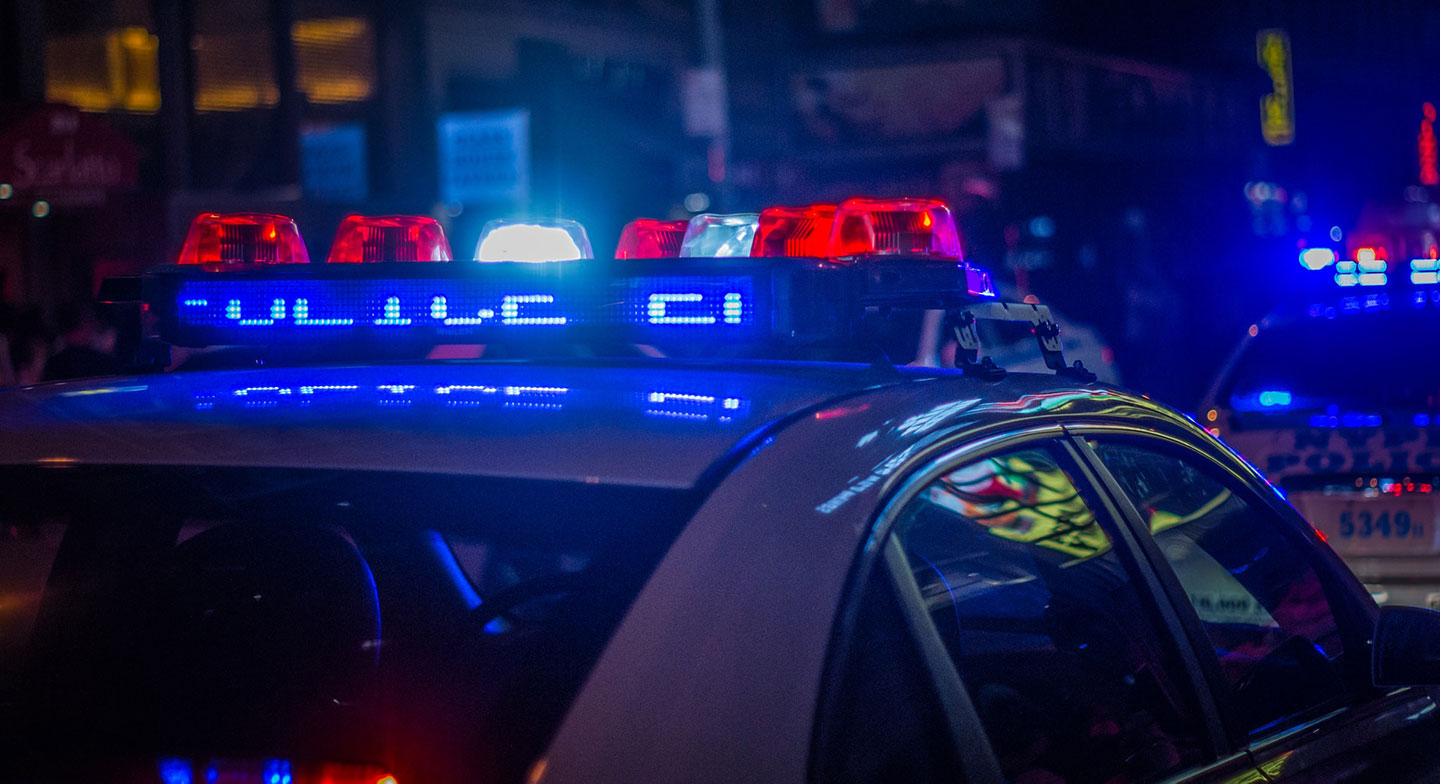
You are zooming along a 2-lane road at night, with no other cars in sight. Maybe you are going a little faster than the speed limit, but you believe you are being safe. 

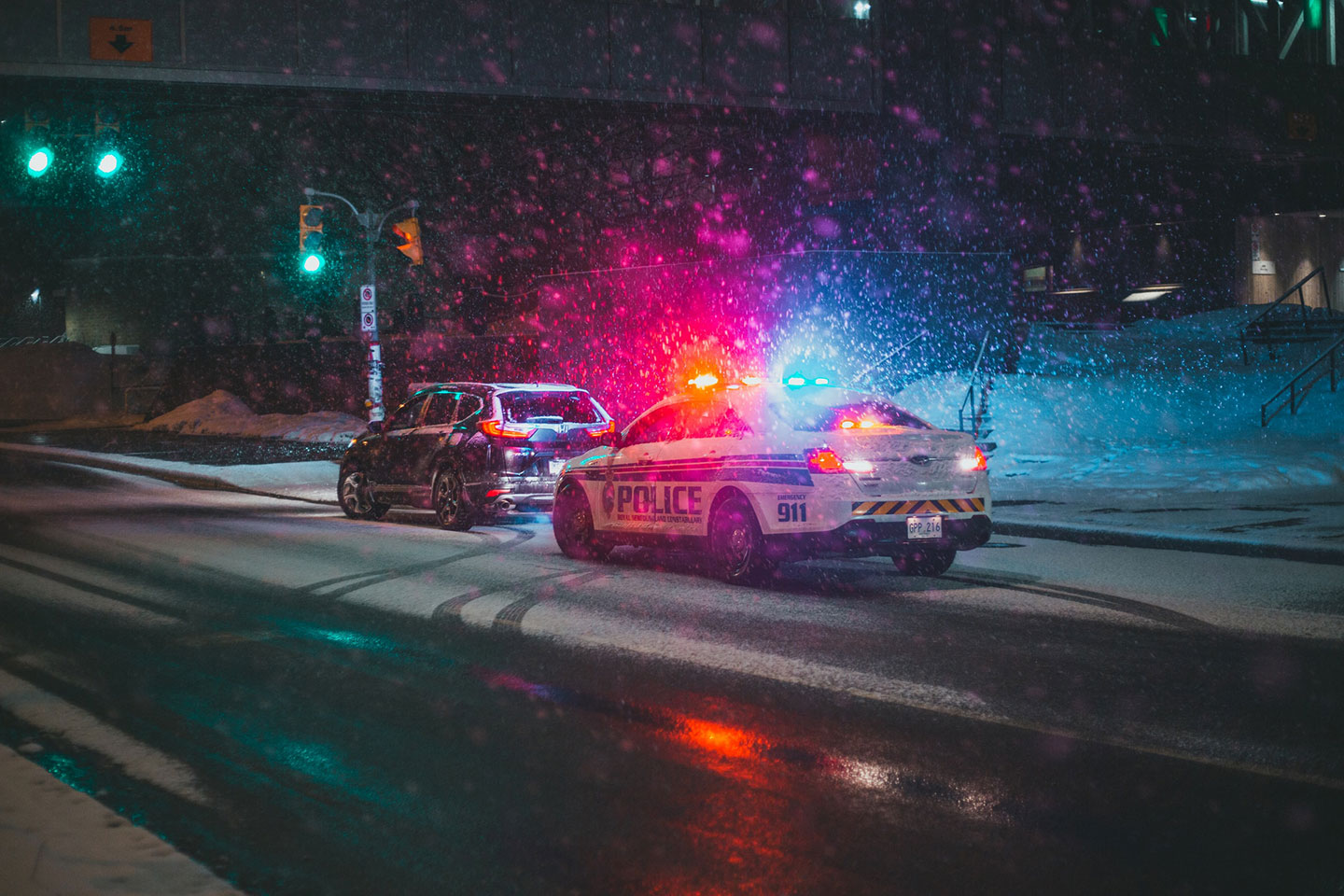
Suddenly, you look behind you and see those dreaded red and blue police flashing lights. Where did a cop come from? You pull over to the shoulder. What now? 


Did the police officer ambush you by remaining hidden in the dark? Is it legal for cops to sit with their lights off? What should you say and do once they walk up to your car?


Read along for the answers to all these questions and more, so you can know your rights when pulled over—whether you saw the cop ahead of time or not.

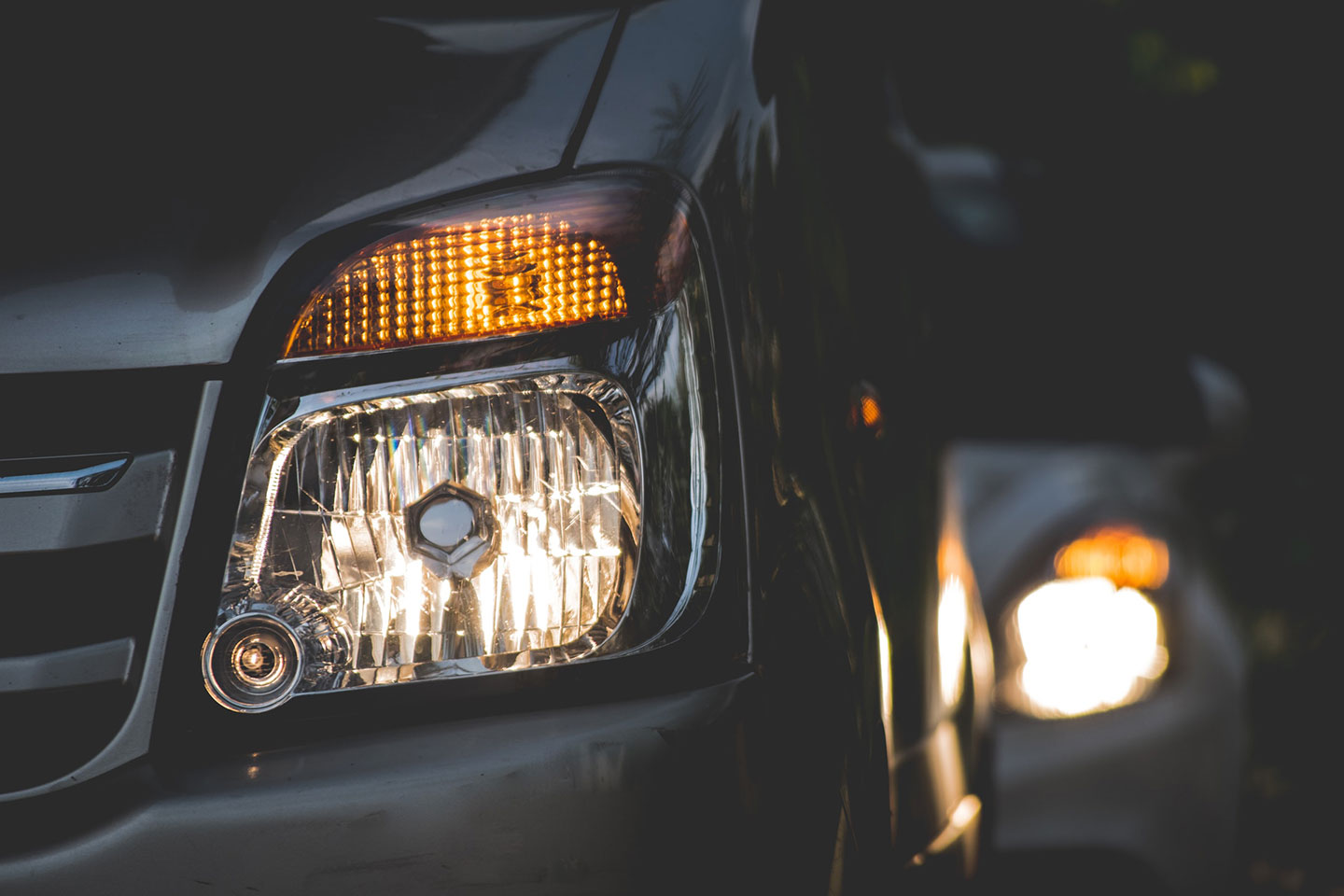
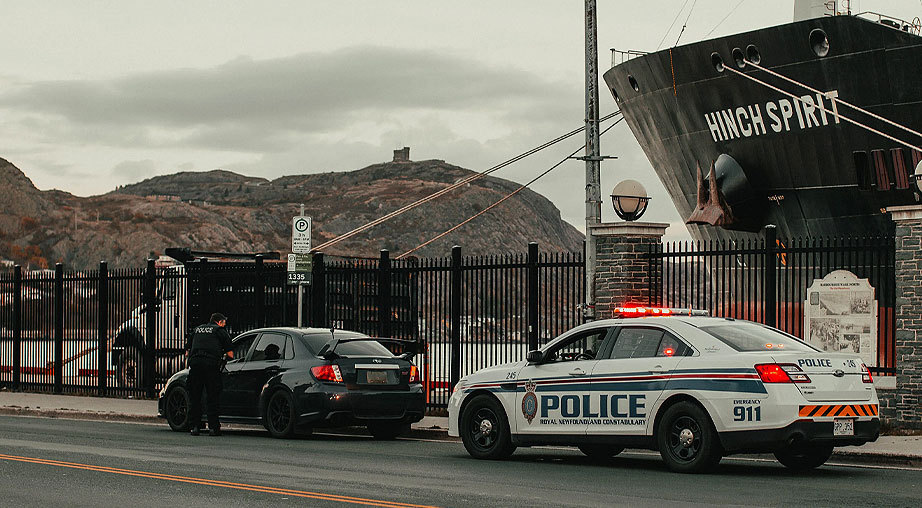
cop headlights at night

CAN COPS HIDE WITH THEIR LIGHTS OFF?

You might be wondering, “Do cops have to have their lights on at night?” The short answer is, “No.” 

Cops do not have to have their lights on at night. They can legally hide with their lights off. And they can pull you over for violating the law, whether they advertised their presence or not. 

It is not considered entrapment in a court of law.


WHAT SHOULD I DO IF I’M BEING PULLED OVER AT NIGHT?

Being pulled over by police at night is not really different than being pulled over during the day. The light or lack thereof does not change your rights or the police’s authority.


  1. Pull over in a safe place.
    If it is night, look for a well-lit area. If there is nowhere to pull over for miles, continue driving the speed limit and pull over as soon as practicable.
    Then call 9-1-1 and let them know you are aware that you are being pulled over, and you will stop at the next populated, well-lit option (gas station, fast food restaurant, etc.). They can communicate with the cop pulling you over.
  2.  Cooperate, but do not incriminate.
    Roll down your window, and make sure your hands are where the officer can see them. You have the right to turn on your internal car overhead lights.
    Don’t use quick movements, and do let the officer know what you are doing with each movement. For instance, “My registration is in the glove compartment. Is it okay if I reach over there?”
    Most police will ask you two questions: “Do you know why I pulled you over?” and “Do you know how fast you were going?”
    We recommend answering the first one with “No,” so that you don’t incriminate yourself. And whether or not you know how fast you were going, you do not have to tell the police officer. Let them tell you.
  3. Know your rights.
    Your rights when pulled over include:
    1. the right to remain silent, though you should tell the police verbally that you are exercising that right. 
    2. in the Commonwealth of Virginia, the right to film the interaction with the police, without police consent; they cannot confiscate the video later. 
    3. the right to know why you are being detained. 
    4. the right to not be pulled over without a legal reason. A police officer cannot pull you over and say, “I assumed you were breaking the law” or, “You look suspicious.” They have to have a reasonable suspicion of illegal activity.
    5. the right to refuse a search. However, if the police perform an illegal search of your person or your car, do not stop them; let a lawyer sort that out later. 


For more information on what to do when pulled over, check out What to Do if You’re Questioned by the Police and Can the Police Search Your Car?

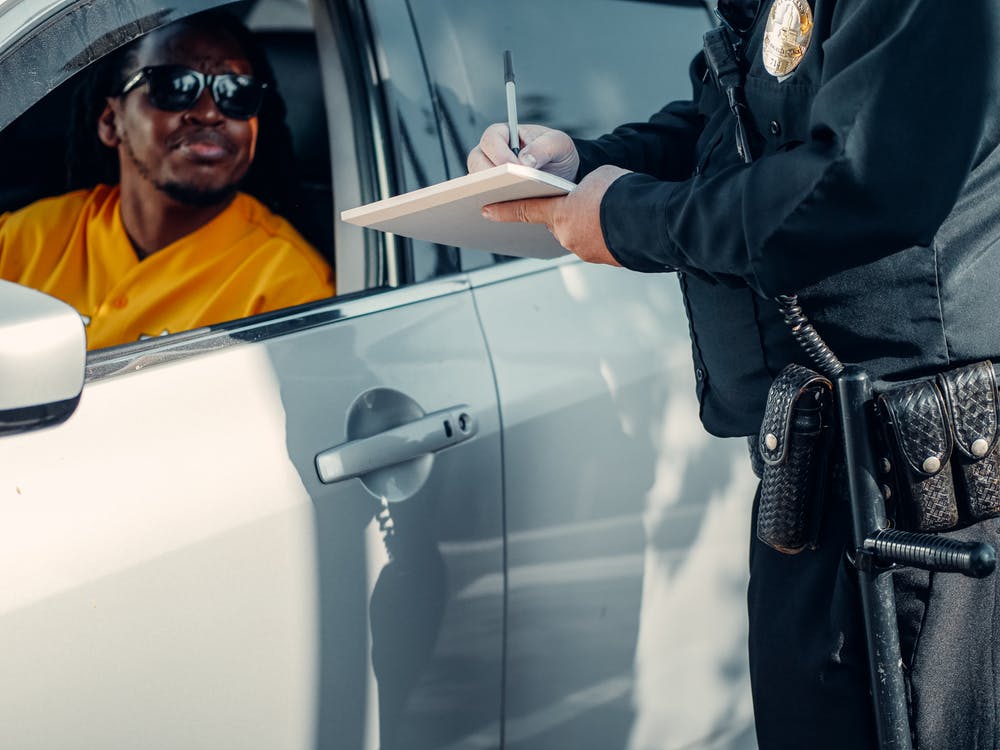
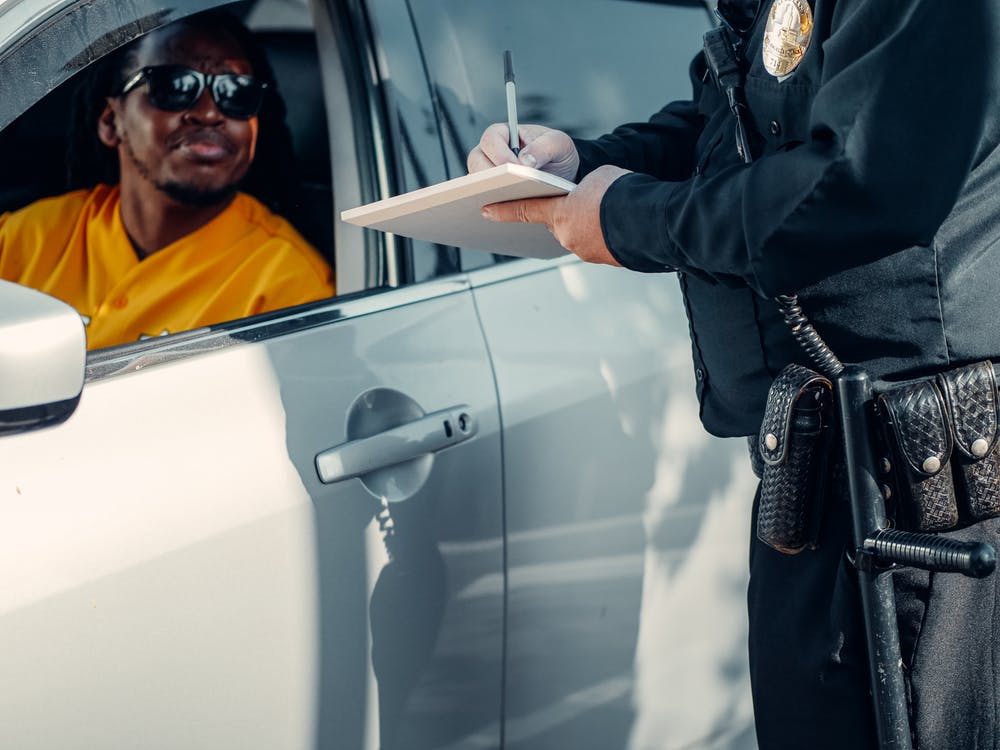
pulled over by police at night


WHAT DOES IT MEAN WHEN A COP FLASHES HIS LIGHTS AT YOU?

If a cop pulls up behind you and continuously flashes his lights at you, he or she is pulling you over, whether or not the siren is on.


If a cop pulls up behind you or drives past you and quickly flashes his lights and turns them off, it is probably a courtesy or warning. Check your own headlights and speed, and make sure your gas tank is closed, just in case any of those things are the issue.


WHAT HAPPENS IF I AM TICKETED OR CHARGED?

Virginia traffic laws state that you can be charged a monetary amount (a fine) for traffic violations. You may also end up with demerit points on your DMV record. 


There are common defenses against traffic tickets, and Cook Attorneys are standing by to help you build your defense. 

Some tickets can be fought against because you cannot be pulled over for those things alone. Others can be fought if you were pulled over or searched illegally.

And many times we can discuss with the police officer and the prosecutor a resolution of the case that minimizes the negative consequences to you and can even avoid you having to attend the court hearing.

Let our experienced traffic defense lawyers fight on your behalf and challenge any ticket that was issued improperly.


Fill out the form below to request more information about how we can serve you. We look forward to hearing from you!

Virginia Headlights Law: Driving Without Headlights and More


As with every state, Virginia has rules about when you should and should not drive with your headlights on. In the Commonwealth of Virginia, headlight laws are nuanced, so read along to find out if you have been ticketed in error—and what to do about it if you have. 

We also answer questions like, “Is it illegal to tint your headlights?” and “How do I know when to use my high beams or low beams?”


DRIVING WITHOUT HEADLIGHTS: THE LAW

driving without headlights at night


If you are driving in Virginia, the law states that you should use your headlights whenever the following conditions apply:

  1. It is night (sunset to sunrise).
  2. It is rainy, smoky, foggy, snowing, sleeting, dark, or impossible to see anything clearly past 500 feet.
  3. You are using windshield wipers because of fog, rain, sleet, or snow.


You may drive with your headlights turned off on if:

  1. It is daytime, and you can see past 500 ft clearly.
  2. You are using your windshield wipers only intermittently in misting rain, sleet, or snow.


To learn more about this law, read Virginia Code §46.2-1030. It explains the rule that headlights must be used from sunset to sunrise, how many headlights are too many, and much more.


PRO TIP: Be careful when using the “auto” headlight feature if your car comes with it. Using “auto” does not cover every headlight scenario, and it is not an excuse for using headlights in a way that violates the law.


DRIVING WITHOUT HEADLIGHTS: THE FINE/PENALTY

How much is a ticket for driving without headlights? 

If you do get pulled over for not obeying this traffic law, then the “driving without headlights” fine can be up to $250. You can also get 3 driving demerit points that will stay on your driving record for 3 years.


However, police are not allowed to pull you over for not using your headlights while your windshield wipers are going. If they pull you over for something else, they can ticket you for both things. But a judge will throw out the case if they pulled you over and ticketed you for just that minor offense. Additionally, DMV will not issue any demerit points for failing to use your headlights while using your windshield wipers.


To eliminate demerit points on your driving record, you can usually take a safe driving course. See this blog post for more information. Or contact your local lawyers in VA today with any questions.


DRIVING WITH DIM HEADLIGHTS

We’ve all been driving in the dark and had an oncoming car with their lights on too bright. Maybe you’ve accidentally been that person who forgets to dim their lights. But did you know there’s a law about that? 

dim your headlights when you can see 350 ft ahead


Virginia Code §46.2-1034 states that you must use your low beams/dim your headlights when you:

  1. can easily see 350 ft ahead of your car on the road.
  2. are within 500 ft of oncoming traffic.
  3. come within 200 ft of a vehicle in front of you.


If you cannot see 350 ft ahead of you, and you are far enough away from traffic going either direction, you are welcome to use your high beams. Otherwise, you should dim your lights out of courtesy for other drivers and respect for the law.


The penalty for violating this law is the same as above: up to $250 fine and 3 driving demerit points.


HEADLIGHT FAQ’s

Here are some frequently asked questions about headlights and headlight usage:


Are LED headlights legal in VA?

Yes, but there are specifications: they must be white or amber in color, and they must follow Virginia headlight brightness laws. (If they are LED spotlights, they must be aimed no more than 100 ft in front of the vehicle.)


Are tinted headlights legal in Virginia?

No, and there are no exceptions to the tinting headlights law. The only two allowed colors are white or amber. 

In fact, only law enforcement and rescue vehicles are allowed to have colored lights on them at all, and even they are restricted to red and blue.


WHAT NEXT?

If you feel you have been wrongfully cited for driving without headlights—or if you just have questions about your citation or headlight laws in Virginia—then don’t hesitate to call or contact Cook Attorneys today. 

We have trained traffic defense lawyers standing by to answer your questions, and we can even talk to you about how to get a headlight ticket dismissed. 


Fill out the form below to request more information about how Cook Attorneys in Harrisonburg, VA can serve you. We look forward to hearing from you!


Virginia Marijuana Laws & Penalties 2021


Effective July 2021, Virginia updated their laws regarding marijuana. Marijuana legalization in Virginia has been a hot topic lately. The overhaul of the laws included everything from possession to sale to cultivation, so let’s look at each of these Virginia Marijuana categories:


POSSESSION OF MARIJUANA


possession of marijuana virginia

Rule:

For individuals 21 years of age or older, possession of less than 1 oz is legal. Possession of marijuana in Virginia is still illegal for individuals 20 years of age or younger.


Penalty:

If you are under 21 (not yet the legal Virginia smoking age), and you are caught with marijuana in your possession, the judge can fine you up to $25 and/or require you to go through a court-approved drug education or treatment program.


If you are 21 or over, and you possess more than 1 oz of marijuana on your person, you could be subject to fines and/or jail time:

  • 1-15 oz of marijuana: $25 fine.
  • 1 lb (16 oz) or more of marijuana: 1-10 years of jail time and/or up to $250,000 in fines.

(For people wondering, is medical marijuana legal in Virginia? The answer is yes to a limited extent. Talk to your doctor for details.)


CONSUMPTION OF MARIJUANA


Rule:

For recreational purposes, Virginia marijuana laws state that the legal age to smoke marijuana is 21. Individuals 21 years of age or older are allowed to smoke marijuana in private settings. 


Penalty:

If you are caught smoking in a public place, you are subject to penalty:

  • First offense: $25 fine
  • Second offense: $25 fine and/or substance abuse education or treatment program
  • Third offense: Class 4 Misdemeanor (up to $250 fine)


If you are caught consuming (or possessing) marijuana or marijuana paraphernalia on public school grounds, you can be charged with a Class 2 misdemeanor—which could mean you spend up to 6 months in jail and/or pay up to $1,000 in fines.


If you are caught smoking while driving a motor vehicle or riding in a motor vehicle on a public highway in the Commonwealth of Virginia, you can be charged with a Class 4 Misdemeanor (up to $250 fine). 

virginia marijuana laws


Virginia cannabis laws state that even if the police officer does not see you smoking, but catches you with signs that you have been smoking in the moving vehicle, you can be charged.


To be safe, you should keep the marijuana in the sealed container you bought it in until you get to your destination. If the container is open, it is a good idea to keep it in the trunk of your vehicle when possible. 


CULTIVATION OF MARIJUANA


Many people want to know, is it illegal to grow marijuana in Virginia? They also wonder how to grow marijuana in Virginia. 

[seadev_quote id="is-it-illegal-to-grow-marijuanas-in-virginia" cite="https://cookattorneys.com/virginia-marijuana-laws-and-penalties/?is-it-illegal-to-grow-marijuanas-in-virginia%22]The law states that for personal use, each household with a member 21 years of age or older is allowed to cultivate up to 4 marijuana plants.[/seadev_quote]


Rules:

  • Each plant must be tagged with the owner’s name, driver’s license/state ID number, and “for personal use.”
  • Plants must not be obviously visible to the public.
  • Plants cannot be in a place where those under 21 can reach/access them.
  • Rental landlords may restrict cultivation on their property, if they choose.
  • You can only grow plants in the primary place where you live; you cannot grow them at your house, your mom’s house, and your grandfather’s house, for instance.


is it illegal to grow marijuanas in Virginia?


Penalty:

  • For possessing/cultivating 5-10 marijuana plants, expect:
    • First offense: $250 fine 
    • Second offense: Class 3 misdemeanor (up to $500 fine) 
    • Third and subsequent offenses: Class 2 misdemeanor (up to 6 months in jail and/or up to $1,000 fine)
  • For possessing/cultivating 11-49 marijuana plants, expect a Class 1 Misdemeanor charge—up to 12 months in jail and/or up to $2,500 in fines.
  • For possessing/cultivating 50-100 marijuana plants, expect a Class 6 Felony—1 to 5 years in prison and/or up to $2,500 in fines.
  • For possessing/cultivating more than 100 marijuana plants, expect a felony punishable by 1 to 10 years in prison and/or up to $250,000 in fines.


SALES/DELIVERY OF MARIJUANA

Rule:

It is still illegal to sell or possess with intent to sell marijuana within the Commonwealth of Virginia. Possession with intent to distribute in VA is treated the same as actual selling.


Sales/ delivery of marijuana is illegal according to virginia marijuana laws

Penalties:

If you are caught… You will be subject to…
Selling 1 oz to 5 lbs 1-10 years in prison and/or max fine of $2,500
Selling 5 lbs – 100 kg 5-30 years in prison and/or max fine of $1,000
Selling more than 100 kg 20 years to life in prison and/or a max fine of $100,000
Selling to a minor who is at least 3 years younger than you 2-50 years in prison and/or a max fine of $100,000
Selling with in 1000 ft of a school or school bus stop 1-5 years in prison and/or a max fine of $100,000
Manufacturing with intent to sell 5-30 years in prison and/or a max fine of $100,000
Transporting more than 5 lbs into Virginia 5-40 years in prison and/or a max fine of $1,000,000


All of these penalties are considered felonies. All of them come with at least the minimum prison sentence and may or may not include the fine.


WHAT TO DO IF YOU ARE CAUGHT

You may wonder what to do when you get caught smoking weed. If you are 21 or older and smoking in a private area, you have nothing to worry about. But if you are caught violating any marijuana law, no matter how big or small, we recommend calling a local criminal attorney immediately.

Cook Attorneys is well-versed in criminal law, including marijuana law in Virginia. Fill out the form below or contact us to schedule a free consultation today!

Virginia Boating & Kayaking Laws


Who is allowed to drive a boat? What happens if the driver/boater is intoxicated? How old do you have to be to stop wearing your life jacket? What is required to operate a boat in Virginia?
We answer all these questions and more in this comprehensive guide to Virginia boating law and Virginia kayaking laws!

Virginia boating and kayaking law


Who is allowed to drive a boat?

In the Commonwealth of Virginia, anyone of any age is allowed to operate a non-motorized boat (such as a kayak or canoe). Virginia kayak laws state that if the boat has a motor of 10 horsepower or greater, the operator must be 14 years old or older and complete a boating safety course.
Anyone operating a motorized boat or vessel must carry proof that they have completed the course (this is like a driver’s license for boats). If you are caught driving illegally, you can be fined.


What are the boating safety laws?

In this article, we cover two boat safety requirements: registration and life jackets.


Virginia Boat Registration

Any non-motorized water vehicle (such as a kayak or canoe) up to 18 feet does not need to be registered in Virginia. Any motorized vehicle of any length does need to be registered. 

You can register and pay your Virginia boating license fees online. Once you do, you will receive validation decals, which you must display next to your registration numbers near the front (bow) of your vessel.


Life Jackets

Also known as Personal Flotation Devices (PFDs) or life vests, life jackets are recommended for wear for anyone on the water at any time. However, they are only required by law for anyone up through the age of 12.
If you are not wearing your life jacket, you are required to have one of the appropriate size easily accessible for each person in your vessel in case of emergency. Failure to comply with these laws could result in a fine. Or worse, they could result in dangerous, life-threatening situations which could end badly.


What is reckless boat operation?

Virginia reckless boat operation

Virginia takes safe boat operation seriously and punishes reckless operation. [seadev_quote id="virginia-boating-law-kayaking-law" cite="https://cookattorneys.com/virginia-boating-law-kayaking-law/?reckless-operation%22]The law defines reckless boat operation as operating “any personal watercraft recklessly or at a speed or in such a manner so as to endanger the life, limb or property of any person…”[/seadev_quote]

Examples include:

  • Weaving through stopped vessels at an unreasonable speed.
  • Following another vessel too closely, or “jumping the wake” of a vessel.
  • Cutting between a boat and the person it is towing (on water skis or the like).
  • Purposely getting close to another person or water vessel and then turning sharply with the intent to spray them with water.

If you are caught doing any of these things, you can be charged with a Class 1 misdemeanor the first time. If convicted of a Class 1 Misdemeanor, the punishment is up to 12 months in jail and/or up to $2,500 in fines. A second and subsequent violation is also Class 1 Misdemeanor PLUS you could lose your Virginia boating privileges for up to 12 months.

If you have been charged with reckless boat operation, please contact Cook Attorneys immediately. We can help you defend yourself in court, or even avoid court altogether.


What happens if I’m drinking and boating?

Can you get a DUI on a boat? The boating equivalent of a DUI is a BUI—Boating Under the Influence. Sometimes, it’s called a BWI—Boating While Intoxicated. While many people like to enjoy a beer while boating, Virginia frowns heavily on BUIs. 

boating while intoxicated in Virginia

If you are under 21, and you are caught operating a motorized vessel with any alcohol content in your system, you will be charged with BUI.
If you are 21 or over, and you are operating a motorized vessel with a Blood Alcohol Content of .08% or higher, you will be charged. It’s the same if you have certain levels of cocaine or methamphetamines in your system.

The Boating Under the Influence penalty is a Class 1 Misdemeanor, which means you could face up to 1 year in jail and/or $2,500 in fines. You could also have your boating privileges revoked.

Contact Cook Attorneys if you are accused of violating boating and/or kayaking law in Virginia. Learn more about our traffic defense service, which includes defense of water traffic violations. 

Virginia Boating & Kayaking Laws


Who is allowed to drive a boat? What happens if the driver/boater is intoxicated? How old do you have to be to stop wearing your life jacket? What is required to operate a boat in Virginia?
We answer all these questions and more in this comprehensive guide to Virginia boating law and Virginia kayaking laws!

Virginia boating and kayaking law


Who is allowed to drive a boat?

In the Commonwealth of Virginia, anyone of any age is allowed to operate a non-motorized boat (such as a kayak or canoe). Virginia kayak laws state that if the boat has a motor of 10 horsepower or greater, the operator must be 14 years old or older and complete a boating safety course.
Anyone operating a motorized boat or vessel must carry proof that they have completed the course (this is like a driver’s license for boats). If you are caught driving illegally, you can be fined.


What are the boating safety laws?

In this article, we cover two boat safety requirements: registration and life jackets.


Virginia Boat Registration

Any non-motorized water vehicle (such as a kayak or canoe) up to 18 feet does not need to be registered in Virginia. Any motorized vehicle of any length does need to be registered. 

You can register and pay your Virginia boating license fees online. Once you do, you will receive validation decals, which you must display next to your registration numbers near the front (bow) of your vessel.


Life Jackets

Also known as Personal Flotation Devices (PFDs) or life vests, life jackets are recommended for wear for anyone on the water at any time. However, they are only required by law for anyone up through the age of 12.
If you are not wearing your life jacket, you are required to have one of the appropriate size easily accessible for each person in your vessel in case of emergency. Failure to comply with these laws could result in a fine. Or worse, they could result in dangerous, life-threatening situations which could end badly.


What is reckless boat operation?

Virginia reckless boat operation


Virginia takes safe boat operation seriously and punishes reckless operation. [seadev_quote id="virginia-boating-law-kayaking-law" cite="https://cookattorneys.com/virginia-boating-law-kayaking-law/?reckless-operation%22]The law defines reckless boat operation as operating “any personal watercraft recklessly or at a speed or in such a manner so as to endanger the life, limb or property of any person…”[/seadev_quote]

Examples include:

  • Weaving through stopped vessels at an unreasonable speed.
  • Following another vessel too closely, or “jumping the wake” of a vessel.
  • Cutting between a boat and the person it is towing (on water skis or the like).
  • Purposely getting close to another person or water vessel and then turning sharply with the intent to spray them with water.

If you are caught doing any of these things, you can be charged with a Class 1 misdemeanor the first time. If convicted of a Class 1 Misdemeanor, the punishment is up to 12 months in jail and/or up to $2,500 in fines. A second and subsequent violation is also Class 1 Misdemeanor PLUS you could lose your Virginia boating privileges for up to 12 months.

If you have been charged with reckless boat operation, please contact Cook Attorneys immediately. We can help you defend yourself in court, or even avoid court altogether.


What happens if I’m drinking and boating?

Can you get a DUI on a boat? The boating equivalent of a DUI is a BUI—Boating Under the Influence. Sometimes, it’s called a BWI—Boating While Intoxicated. While many people like to enjoy a beer while boating, Virginia frowns heavily on BUIs. 

boating while intoxicated in Virginia


If you are under 21, and you are caught operating a motorized vessel with any alcohol content in your system, you will be charged with BUI.
If you are 21 or over, and you are operating a motorized vessel with a Blood Alcohol Content of .08% or higher, you will be charged. It’s the same if you have certain levels of cocaine or methamphetamines in your system.

The Boating Under the Influence penalty is a Class 1 Misdemeanor, which means you could face up to 1 year in jail and/or $2,500 in fines. You could also have your boating privileges revoked.

Contact Cook Attorneys if you are accused of violating boating and/or kayaking law in Virginia. Learn more about our traffic defense service, which includes defense of water traffic violations. 

Misdemeanor Traffic Offenses, Speeding Ticket – All in One 2021


You are going a little over the speed limit, you look in your rearview mirror, and your heart sinks. Those flashing red and blue lights are for you. You pull over, and the police officer informs you how fast you were going. 

Still shaking, you sign your summons. As you pull safely back into traffic with that dreaded piece of paper, you know there will be consequences on your driving record. 

But then you start to wonder…do I have a criminal record now? Is a speeding ticket a misdemeanor? Was I driving recklessly, or just too fast? 

We have the answers to those questions and more. Read along to find out what you need to take care of, what you don’t—and when it’s a good idea to contact a lawyer.


MISDEMEANOR TRAFFIC OFFENSES—What Do I Need to Know?

Is a traffic violation a misdemeanor? In the Commonwealth of Virginia, some traffic violations are simply infractions, and some are misdemeanors. Some common misdemeanor traffic violation examples include:

          Maximum penalty: 12 months in jail, $2,500 fine, loss of driving privileges.

  • Class 2 Misdemeanor: aggressive driving, driving without a license. 

          Maximum penalty: 6 months in jail, $1,000 fine.

The way you would be guilty of a felony traffic offense in Virginia is if you are convicted of multiple DUI’s in a short period of time. 


SPEEDING TICKETS—Is Speeding a Misdemeanor?

Is speeding ticket a misdemeanor?


[seadev_quote id="is-speeding-a-misdemeanor" cite="https://cookattorneys.com/Misdemeanor-Traffic-Offenses-Speeding-Ticket-All-in-One/?is-speeding-a-misdemeanor%22]For the most part in Virginia, speeding tickets are considered infractions, not traffic misdemeanors. This means they do come with consequences on your driving record, but not on your criminal record. For a complete run-down on Virginia speeding laws and exactly what to expect with a speeding ticket (including demerit points, multiple infractions, and license suspension), check out this blog post. [/seadev_quote]

If you carry a Commercial Drivers License (CDL), your license could be revoked or suspended for going 15+ miles over the speed limit, with just one violation. This is still considered an infraction, and there are ways to earn back your CDL.

Most speeding tickets can be resolved by paying them; remember, prepaying a ticket is a guilty plea. 


MISDEMEANOR SPEEDING TICKETS—When is Fast, Too Fast?

However, some speeding tickets in Virginia are considered misdemeanors. The most common one is reckless driving. In Virginia, if you drive more than 20 mph over the speed limit or over 85 mph (even if that is less than 20 mph over), you can be issued a reckless driving citation, which is considered a Class 1 Misdemeanor. (See the Virginia Code for rules about reckless driving speed in VA.)

reckless driving is charged as misdemeanor traffic offense in virginia


If you are charged with reckless driving in Virginia, it will be written out by the officer on your ticket. It is a good idea to contact a local criminal lawyer if you have been issued this charge. You will be told that you  need to appear in court, but many times a lawyer can appear on your behalf without you needing to be present in court.

If you are facing misdemeanor charges, you will need to go before a judge in the General District Court. The prosecutor will present evidence against you, and you are allowed to present evidence in your defense. Then the judge will make a decision. 

Many people are overwhelmed by the fast pace and leave wondering what happened.  The judge will begin by asking you how you plead, and the correct response to this question is either “guilty,” not guilty” or “nolo contendere” (that is, i do not contest the charges.)  After taking your plea, the judge will ask the police officer to testify to what he remembers, and then you will have the opportunity to testify. 
Remember, the judge sits in traffic court every day and has heard every possible excuse, argument, or explanation, even the one you think is unique.  Tread carefully.  Most judges do not appreciate attacks on a police officer, especially a police officer the judge might have known for many years.  

Additionally, if this is your first offense, there is no guarantee that the judge will be lenient; so don’t assume you can “talk your way out of” this charge. Don’t hesitate to contact Cook Attorneys to request assistance with this very serious matter.


CONCLUSION—Who Can I Talk To?

If you have a speeding ticket, that does not mean you are a criminal. But if you have any questions at all, especially if you have garnered multiple speeding tickets, please contact Cook Attorneys and let us help you make things clear. 

If you have one or more misdemeanor charges, such as Virginia reckless driving fines or multiple DUIs, please contact Cook Attorneys because we are experienced criminal attorneys who would love to walk by your side throughout this process—which, let’s face it, can be scary and stressful. Let us help you know your options and take away some of the uncertainty. Contact us today for a free consultation.

Fill out the form below to request more information about how we can serve you. We look forward to hearing from you!

Misdemeanor Traffic Offenses, Speeding Ticket – All in One


You are going a little over the speed limit, you look in your rearview mirror, and your heart sinks. Those flashing red and blue lights are for you. You pull over, and the police officer informs you how fast you were going. 

Still shaking, you sign your summons. As you pull safely back into traffic with that dreaded piece of paper, you know there will be consequences on your driving record. 

But then you start to wonder…do I have a criminal record now? Is a speeding ticket a misdemeanor? Was I driving recklessly, or just too fast? 

We have the answers to those questions and more. Read along to find out what you need to take care of, what you don’t—and when it’s a good idea to contact a lawyer.


MISDEMEANOR TRAFFIC OFFENSES—What Do I Need to Know?

Is a traffic violation a misdemeanor? In the Commonwealth of Virginia, some traffic violations are simply infractions, and some are misdemeanors. Some common misdemeanor traffic violation examples include:

          Maximum penalty: 12 months in jail, $2,500 fine, loss of driving privileges.

  • Class 2 Misdemeanor: aggressive driving, driving without a license. 

          Maximum penalty: 6 months in jail, $1,000 fine.

The way you would be guilty of a felony traffic offense in Virginia is if you are convicted of multiple DUI’s in a short period of time. 


SPEEDING TICKETS—Is Speeding a Misdemeanor?

Is speeding ticket a misdemeanor?


[su_quote id="is-speeding-a-misdemeanor" url="https://cookattorneys.com/Misdemeanor-Traffic-Offenses-Speeding-Ticket-All-in-One/?is-speeding-a-misdemeanor%22]For the most part in Virginia, speeding tickets are considered infractions, not traffic misdemeanors. This means they do come with consequences on your driving record, but not on your criminal record. For a complete run-down on Virginia speeding laws and exactly what to expect with a speeding ticket (including demerit points, multiple infractions, and license suspension), check out this blog post. [/su_quote]

If you carry a Commercial Drivers License (CDL), your license could be revoked or suspended for going 15+ miles over the speed limit, with just one violation. This is still considered an infraction, and there are ways to earn back your CDL.

Most speeding tickets can be resolved by paying them; remember, prepaying a ticket is a guilty plea. 


MISDEMEANOR SPEEDING TICKETS—When is Fast, Too Fast?

However, some speeding tickets in Virginia are considered misdemeanors. The most common one is reckless driving. In Virginia, if you drive more than 20 mph over the speed limit or over 85 mph (even if that is less than 20 mph over), you can be issued a reckless driving citation, which is considered a Class 1 Misdemeanor. (See the Virginia Code for rules about reckless driving speed in VA.)

reckless driving is charged as misdemeanor traffic offense in virginia


If you are charged with reckless driving in Virginia, it will be written out by the officer on your ticket. It is a good idea to contact a local criminal lawyer if you have been issued this charge. You will be told that you  need to appear in court, but many times a lawyer can appear on your behalf without you needing to be present in court. 

If you are facing misdemeanor charges, you will need to go before a judge in the General District Court. The prosecutor will present evidence against you, and you are allowed to present evidence in your defense. Then the judge will make a decision. 

Many people are overwhelmed by the fast pace and leave wondering what happened.  The judge will begin by asking you how you plead, and the correct response to this question is either “guilty,” not guilty” or “nolo contendere” (that is, i do not contest the charges.)  After taking your plea, the judge will ask the police officer to testify to what he remembers, and then you will have the opportunity to testify. 
Remember, the judge sits in traffic court every day and has heard every possible excuse, argument, or explanation, even the one you think is unique.  Tread carefully.  Most judges do not appreciate attacks on a police officer, especially a police officer the judge might have known for many years.  

Additionally, if this is your first offense, there is no guarantee that the judge will be lenient; so don’t assume you can “talk your way out of” this charge. Don’t hesitate to contact Cook Attorneys to request assistance with this very serious matter.


CONCLUSION—Who Can I Talk To?

If you have a speeding ticket, that does not mean you are a criminal. But if you have any questions at all, especially if you have garnered multiple speeding tickets, please contact Cook Attorneys and let us help you make things clear. 

If you have one or more misdemeanor charges, such as Virginia reckless driving fines or multiple DUIs, please contact Cook Attorneys because we are experienced criminal attorneys who would love to walk by your side throughout this process—which, let’s face it, can be scary and stressful. Let us help you know your options and take away some of the uncertainty. Contact us today for a free consultation.

Fill out the form below to request more information about how we can serve you. We look forward to hearing from you!

Virginia Mask Law & Stay-At-Home Order – Updated 2021


It seems like the laws on wearing masks are always changing. Is it illegal to wear a mask in public in Virginia? Is it legal? What are the Virginia face mask laws right now?
Let’s dive in and look at the history of mask laws in Virginia, as well as where we are with COVID-19 mask orders today.


GENERAL LAWS ABOUT MASKS

Did you know that mask laws existed before the COVID-19 pandemic? The Commonwealth of Virginia considers it to be a crime if you cover your face in order to conceal your identity from others. It is actually a Class 6 Felony, punishable by 1 to 5 years in prison and/or a fine of up to $2,500.

Virginia mask laws

  • Reasons—There are some obvious and not-so-obvious reasons this law was put into place:Concealing one’s identity is often associated with committing a crime.
    • For instance, a bank robber who is arrested can be charged with robbing the bank and an additional crime of concealing his identity under a mask.
    • Traditionally, Klu Klux Klan (KKK) members wear masks as part of their costumes; under this law, they are not allowed to wear their masks in their meetings or in public.
    • This law is meant to quite literally unmask criminals. So even if you are not engaging in criminal activity, we suggest not walking around in dark alleys or into banks with a ski mask on.
  • Exceptions—You might be thinking, “But what about Halloween costumes?” and the lawmakers did think of that already. Here are the exceptions to the mask rule:
    • People wearing traditional holiday costumes.
    • People working in professions where masks are required for safety.
    • People in the theater.
    • People at masquerade balls.
    • People who have specific medical conditions if one or both of the following is applicable:
      • Their doctor orders a mask to be worn, for the person’s own health and safety.
      • The governor declares a disaster or state of emergency due to a public health situation.

This raises the question: once the pandemic is over, will people be allowed to wear masks like we have been, unless they have a doctor’s order? We don’t know the answer to that yet; but be assured that when we do, your local Harrisonburg lawyers, Cook Attorneys, will be actively defending you and your rights.


EXECUTIVE ORDERS ABOUT MASKS DURING COVID-19

Executive orders about masks during covid-19

With a series of executive orders in 2020 and 2021, Gov. Northam of the Commonwealth of Virginia invoked that final exception in the law and declared that Virginia residents are required and allowed to wear masks in public, to slow the spread of the Coronavirus (COVID-19).
Additionally, the executive orders included Virginia stay at home orders and a Virginia curfew time.

The Virginia mask mandate states that…

  • Indoors: All people aged 5 and older must cover their mouth and nose with a mask. (This does not apply to people who live in the same home.)
  • Outdoors: All people aged 5 and older must cover their mouth and nose with a mask when they cannot stay at least 6 feet away from others. (This does not apply to people who live in the same home.)


LATEST INSTRUCTIONS ABOUT MASKS

With the ever-changing and ever-updating orders, it can be confusing to know what the rules are for today. Cook Attorneys has your back.

The latest instructions in the most recent executive order about wearing masks reiterated the rules above, but they include the following exceptions:

  • A person who is eating or drinking.
  • A person who is under 5 years of age.
  • A person who is exercising or using exercise equipment.
  • A person who is playing a musical instrument with their mouth, though that person must maintain 10 or more feet of distance between him or herself and other people.
  • A person who cannot breathe or is unconscious or incapacitated because of the mask.
  • A person communicating with someone who is deaf or hard of hearing, where the mouth needs to be visible.
  • A person who needs to take it off temporarily for government or medical reasons.
  • A person with a health condition or disability that prohibits wearing a mask (and no one is allowed to demand why or ask that they provide proof of that health condition).

Mask laws can be updated any time based on the situation. Contact us for a consultation and clarification on Virginia mask laws or 2021 Coronavirus updates in Virginia.

Fill out the form below to request more information about how we can serve you. We look forward to hearing from you!

Domestic Violence Laws in Virginia


In Virginia law you can find a confusing variety of definitions for assault and battery, but essentially assault and battery is unwanted or offensive touching or unwanted physical contact; or placing someone in imminent fear of such contact. Usually, assault and battery is threatening to physically attack someone or outright attacking them, but there is no requirement of injury or bodily harm.

Domestic assault and battery (or “assault and battery against a family or household member”) is a crime separate from simple assault and battery.

So why the separate terms? How are they different? How are they the same? Keep reading for these answers and some of what you need to know about domestic violence and protective orders in Virginia.


Definition of Domestic Violence

Domestic Violence according to Virginia law

Domestic violence (or domestic assault and battery) is an assault and battery that is threatened or carried out upon family or household members. This definition is important, because (for instance) you may not live with your children and ex; but if you threaten or attack them, you can still be charged with domestic violence.

Under Virginia law, a “family or household member” can include (i) the person’s spouse, whether or not he or she resides in the same home with the person, (ii) the person’s former spouse, whether or not he or she resides in the same home with the person, (iii) the person’s parents, stepparents, children, stepchildren, brothers, sisters, half-brothers, half-sisters, grandparents and grandchildren, regardless of whether such persons reside in the same home with the person, (iv) the person’s mother-in-law, father-in-law, sons-in-law, daughters-in-law, brothers-in-law and sisters-in-law who reside in the same home with the person, (v) any individual who has a child in common with the person, whether or not the person and that individual have been married or have resided together at any time, or (vi) any individual who cohabits or who, within the previous 12 months, cohabited with the person, and any children of either of them then residing in the same home with the person.

Accusations of domestic assault and battery are heard in Virginia’s Juvenile and Domestic Relations Courts. While the potential penalties are the same, domestic assault often garners more severe sentences than simple assault and battery in the General District Court, perhaps because victims of domestic assault are thought to be more vulnerable.


Arrests Without Warrants

With exceptions, arrests for many misdemeanors require warrants before an officer can take a person into custody. However, if a police officer arrives on the scene of a domestic violence complaint or situation and has a reasonable belief that someone has committed or threatened domestic violence, the officer may make an immediate arrest without going to the magistrate first to obtain a warrant.


Protective Orders

One way the courts can legally protect against domestic violence is by issuing a protective order (sometimes called a restraining order). There are different kinds of protective orders in the Commonwealth of Virginia:

  • Emergency—Any Virginia judge or magistrate can issue an emergency protective order which usually prohibits a person from contacting or abusing an alleged victim for a period of 72 hours (3 days). This hearing usually takes place without notice to the accused.
  • Preliminary—Anyone who is the alleged victim of domestic violence can request a hearing in court and be granted a preliminary protective order against a person who is alleged to have the perpetrator or alleged perpetrator. A preliminary protective order is effective until a hearing for a permanent protective order hearing can be held, and most hearings should take place within 15 days but can be delayed for up to 6 months, depending on circumstances. This hearing is placed on the court’s docket quickly and sometimes takes place without notice to the accused.
  • Permanent—After hearing evidence at a permanent protective order hearing, a court can dismiss the protective order or can make the preliminary protective order “permanent” for up to two years. There are a wide range of conditions the court can place on the person restrained by the protective order, from prohibiting some or all contact to requiring treatment and counseling.

In effect, a protective order makes it a crime to do something that people are generally permitted to do. For example, if a protective order prohibits you from being within 1000 feet of a particular address, then, for the person restrained by the protective order, it is a violation of the protective order to be present in a certain place. Virginia protective order violation is a crime punishable by fines and jail time. Any violation of a domestic violence protective order must be punished by at least one day in jail.


Penalties for Domestic Violence

domestic violence penalties according to Virginia law

First and second offenders of domestic assault in Virginia are usually charged with a Class 1 Misdemeanor, which can result in jail time of up to 12 months in jail and/or a domestic violence fine of up to $2,500.

If this is a first offense, Virginia judges can defer the proceedings, place you on probation subject to certain obligations which may include a treatment program, court-ordered therapy, and/or education programs. At the end of your probation, if you have fulfilled all the obligations, the judge may dismiss your case.
It is of paramount importance that you hire and retain an attorney who is an expert not just in the law, but also in law of domestic violence. Cook Attorneys is willing to walk with you in every step of the process and help you to know your options as a first- or second-time offender. One of our domestic assault lawyers can help you negotiate the best outcome for you and your family.


Penalties for Repeat Offenders

Virginia domestic violence laws state that if you are charged with violating a protective order twice in a row, you will serve a minimum of 60 days in jail.

If you are charged with violating a protective order thrice in a row, you will serve a minimum of 6 months in jail.

If you are charged with domestic violence for the third time in a 20-year period, you will be charged with a Class 6 felony, which can result in 1 to 5 years in prison and/or a fine of $2,500.


Long-term Consequences

For many, a significant consequence of a conviction for domestic assault and battery or being subject to a protective order is that you lose the right to possess a firearm. Under Virginia law, any person restrained by a protective order cannot purchase, transport or possess a gun while the order is in effect. Under federal law, a person convicted of domestic assault and battery cannot possess a firearm and, currently, there is no mechanism for that person, once so convicted, to have those rights restored.

But legal repercussions aren’t the only thing to worry about with any domestic violence charge. You could lose contact with family members, destroy trust, and damage certain relationships beyond repair.

Domestic violence damages relationship

Cook Attorneys wants to talk to you before all or some of those things happen. We are committed to the best interests of you and your family—inside and outside the courtroom. We offer free consultations, so schedule with us today and talk to one our expert domestic violence lawyers.

Fill out the form below to request more information about how we can serve you. We look forward to hearing from you!