
Non-Moving Violation: Definition & Impact


You have questions about non-moving violations. You’re probably wondering about things like, what’s the difference between a moving and non-moving violation (it’s not what you might expect!)? 


Does a non-moving violation go on my DMV record? What do I do if I think the non-moving violation ticket is issued wrongly?


We have answers! Read along to find out what you need to know about non-moving traffic violations in the Commonwealth of Virginia.


What is a non-moving violation?

What is non-moving violation?


A non-moving violation is a traffic infraction that violates the law but is not necessarily tied to the manner of the driving of a motor vehicle. Non-moving violations usually result in smaller fines than moving violations, and they usually do not cause demerit points to accrue on your record like moving violations do.


Some people will say that a non-moving violation happens when the car is not moving, but things like a broken tail light can be ticketed whether the vehicle is moving or not. Either way, it is still a non-moving violation.


Common non-moving violations include

  • parking violations: parking next to a fire hydrant, parking in a no-parking zone, etc.
  • vehicle safety violations: excessive muffler noise, too-dark window tint, missing license plate, etc.
  • Expired vehicle inspection or registration.


Often, if the issue is not very significant and has been remedied by your court date, the judge might even dismiss the charge although he may still require the payment of court costs.


If you have questions, feel like you’ve been wrongly ticketed, or just need help navigating Harrisonburg traffic court, contact Cook Attorneys today.


We often get questions like, “How much does a Virginia window tint ticket cost?” The nice thing is that Virginia has posted a schedule online of many of the standard fines for prepayment out of court.


Check it out here, or call us any time.


What is a Moving Violation?


In contrast to non-moving violations, moving violations involve things like speeding and reckless driving. For more information on moving violations, see our blog for Reckless driving vs improper driving.


What is the key difference between Moving and Non-moving violations?

On the surface, it would seem like a moving violation would be any violation when the vehicle is in motion, and a non-moving violation would be any violation when the vehicle is stopped. However, it’s not quite that straightforward. Moving violations relate to the fact that the vehicle is moving (such as speeding). But non-moving violations relate to the fact that the vehicle does not need to be moving in order to detect the violation. So while parking in front of a meter is an obvious non-moving violation, a less obvious violation is a broken tail light.


Does a non-moving violation affect my driving record?

No. A non-moving violation will not put demerit points on your DMV record. However, in some states, you will not be able to renew your license if you have several unpaid tickets. So if you get a ticket in Virginia but have a license in another state, be sure to check out that state’s laws concerning license renewals.


Does a non-moving violation affect my car insurance?
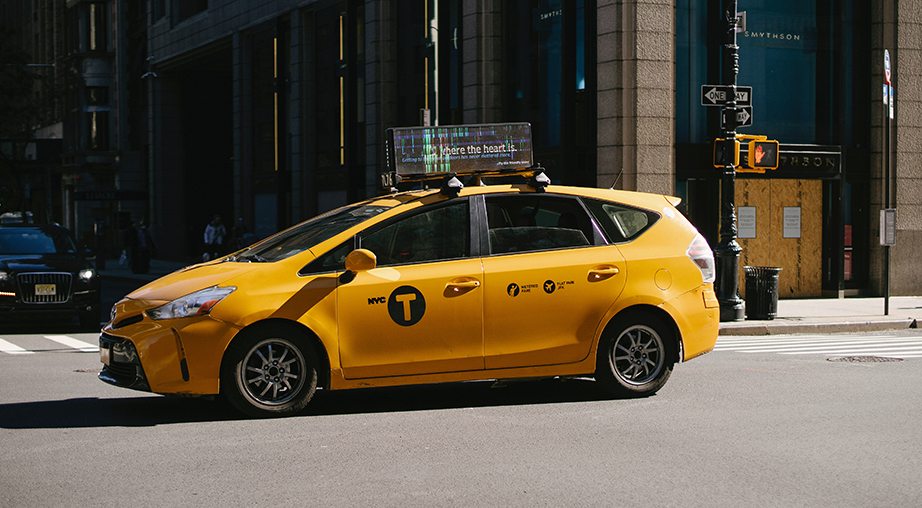
Non-moving car on the street


Do non-moving violations affect your insurance premiums? The short answer is, not usually. Some insurance companies don’t even care to know about them. 


However, some insurance companies will raise your rates if you have too many unpaid tickets in general. If you have questions about your particular insurance, you should call your insurance agent or visit their website for more information. 


While we’re on the topic of insurance, we do often get asked, “How long does a speeding ticket affect your insurance?” With many insurance companies, speeding ticket demerit points can affect your insurance until they fall off your DMV record.


For more information about moving violations or speeding tickets, see our blog post about speeding tickets.


Can a speeding ticket be reduced to a non-moving violation?

Many people wonder how to get a speeding ticket reduced to a non-moving violation. It is possible, but it isn’t usually something you can do on your own without a traffic lawyer. 


Let’s say you have an impeccable driving record, and you get issued a speeding ticket (which is a moving violation and will cause you to accumulate demerit points). Some prosecutors or judges are willing to agree to reduce the speeding ticket to a non-moving violation such as “defective equipment” to avoid the accumulation of demerit points on your DMV record.


If you have questions about how we may be able to get your speeding ticket reduced to a non- moving violation, call Cook Attorneys, your local Harrisonburg attorneys, today!


Conclusion

Driving or not, moving or non-moving violations, the main goal is to stay safe and follow the law. However, if you find yourself with a court date or in need of legal assistance, don’t hesitate to call our traffic defense lawyers at Cook Attorneys and let us help you.


Still have more questions about non-moving violations? Fill out the form below to request more information about how we can serve you. We look forward to hearing from you!

Virginia New Cell Phone Law 2020


You already know that it’s illegal to text and drive in the Commonwealth of Virginia. You may have heard that the laws may be tightening up.

But what exactly does the new cell phone law mean for you? What can you expect in 2021 from the new distracted driving law?


CURRENT LAW / UPCOMING CHANGES

Chances are, you are someone who has texted while driving. You almost certainly have made phone calls while driving.

But there are laws about these things, and you should know them before the next time you get behind the wheel.

If you are a driver in Virginia, you probably have asked at least one of these questions about cell phone calls. As Harrisonburg lawyers, we’ve certainly heard them all!

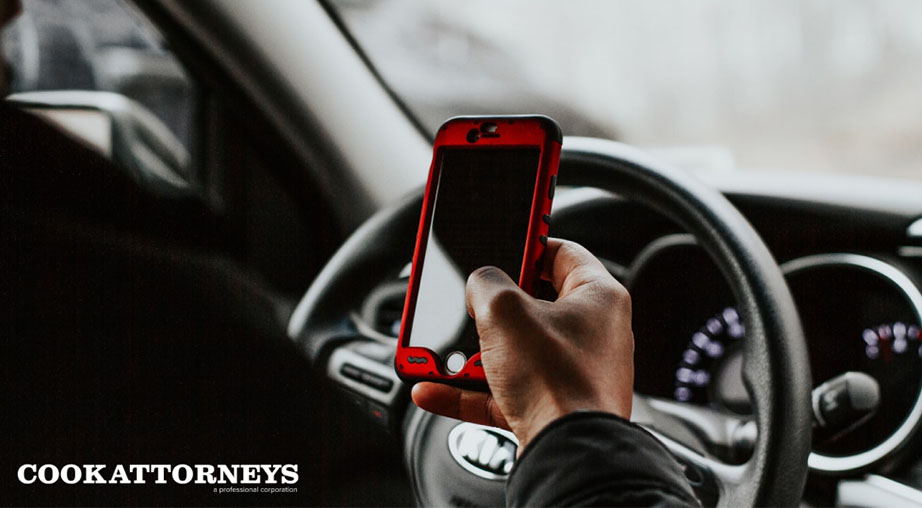
a man is using phone while driving

Is texting and driving illegal in Virginia?

  • Yes, this has been illegal for a few years now. Besides the fact that you could cause serious or fatal damage to persons or property, you could also incur fines of $125 and up if you are caught texting while driving.

What are the current cellular phone laws in Virginia?

  • Current laws prohibit texting (emailing/Facebooking/communicating through a keyboard) while driving. 

How will the law be changing?

  • The Virginia cell phone law that was enacted this year which bans drivers from holding a handheld personal communications device in their hands. This law will begin to be enforced on Jan 1, 2021. 

What state was the first to ban drivers from talking on handheld devices? 

  • New York, in 2001. Many states and the District of Columbia have followed suit, so this certainly is not a new concept in the USA.

Can I still talk on my cell phone in my car, as long as I don’t have a cell phone in hand?

  • This is not a complete phone ban. With this new Virginia hands-free law, you can still talk on the phone as long as you’re not holding it in your hand. So Bluetooth speakers, for instance, would be fine, as long as you can make the call without holding the phone in your hand.

Can I hold my cell phone at a red light?

  • Yes.  The new law permits a driver to hold a cell phone while lawfully stopped or parked.  


PENALTIES FOR BREAKING THE VIRGINIA CELL PHONE DRIVING LAW

You should always follow traffic laws, including ones involving cell phone/mobile device usage. However, if you get pulled over and cited for holding a cell phone or other mobile device while driving, here are the fines that could be leveled against you:

  • $125—first offense
  • $250—second offense
  • $250—any violations in a work zone

If you have been ticketed for an accident as a distracted driver, call Cook Attorneys—your local defense attorney firm—as soon as possible.


EXCEPTIONS TO THE LAW

Basically, it’s safe to say, you should use no phone while driving. But at this point, you might be wondering, “But what if I have to call 9-1-1?” or “What if I’m parked?”

Fortunately, the lawmakers had the same questions. Here are the exceptions to the law that will be enforced Jan 1, 2021:

  • Operators of emergency vehicles, including law enforcement, first responders, firefighters, paramedics, forest wardens, and correctional facility officers in the middle of an emergency
  • Any driver who is lawfully parked and stopped
  • Drivers contacting emergency services
  • Drivers using Ham or CB radios
  • Drivers of any vehicle that lawfully utilizes red or red and white flashing lights

For more information on the technicalities of the law and exceptions, see the Virginia House Bill.


HOW THE LAW PROTECTS YOU

When you hold your phone or mobile device in your hands (for texting or anything really) while driving, you are distracted manually, visually, and cognitively. In other words, you use your hands, eyes, and brain to focus on your device instead of on the road. Statistically, that makes you 2300% percent more likely to be involved in a major or minor accident.

law justice

Lawmakers hope to significantly reduce distracted driving accidents and save a lot of lives by requiring drivers to pay attention more fully to the road in this manner.


CONCLUSION

If you are issued a citation for holding a cell phone, talk to a local Harrisonburg attorney today. At Cook Attorneys, we know the laws and seek to address your concerns in a timely manner. Contact us today!

Similarly, if you have found yourself summoned to Harrisonburg traffic court and need an effective traffic defense lawyer, we are here for you. Fill out the form below to request more information about how we can serve you. We look forward to hearing from you!

 

Virginia New Cell Phone Law 2020


You already know that it’s illegal to text and drive in the Commonwealth of Virginia. You may have heard that the laws may be tightening up.

But what exactly does the new cell phone law mean for you? What can you expect in 2021 from the new distracted driving law?


CURRENT LAW / UPCOMING CHANGES

Chances are, you are someone who has texted while driving. You almost certainly have made phone calls while driving.

But there are laws about these things, and you should know them before the next time you get behind the wheel.

If you are a driver in Virginia, you probably have asked at least one of these questions about cell phone calls. As Harrisonburg lawyers, we’ve certainly heard them all!

a man is using phone while driving

Is texting and driving illegal in Virginia?

  • Yes, this has been illegal for a few years now. Besides the fact that you could cause serious or fatal damage to persons or property, you could also incur fines of $125 and up if you are caught texting while driving.

What are the current cellular phone laws in Virginia?

  • Current laws prohibit texting (emailing/Facebooking/communicating through a keyboard) while driving. 

How will the law be changing?

  • The Virginia cell phone law that was enacted this year which bans drivers from holding a handheld personal communications device in their hands. This law will begin to be enforced on Jan 1, 2021. 

What state was the first to ban drivers from talking on handheld devices? 

  • New York, in 2001. Many states and the District of Columbia have followed suit, so this certainly is not a new concept in the USA.

Can I still talk on my cell phone in my car, as long as I don’t have a cell phone in hand?

  • This is not a complete phone ban. With this new Virginia hands-free law, you can still talk on the phone as long as you’re not holding it in your hand. So Bluetooth speakers, for instance, would be fine, as long as you can make the call without holding the phone in your hand.

Can I hold my cell phone at a red light?

  • Yes.  The new law permits a driver to hold a cell phone while lawfully stopped or parked.  


PENALTIES FOR BREAKING THE VIRGINIA CELL PHONE DRIVING LAW

You should always follow traffic laws, including ones involving cell phone/mobile device usage. However, if you get pulled over and cited for holding a cell phone or other mobile device while driving, here are the fines that could be leveled against you:

  • $125—first offense
  • $250—second offense
  • $250—any violations in a work zone

If you have been ticketed for an accident as a distracted driver, call Cook Attorneys—your local defense attorney firm—as soon as possible.


EXCEPTIONS TO THE LAW

Basically, it’s safe to say, you should use no phone while driving. But at this point, you might be wondering, “But what if I have to call 9-1-1?” or “What if I’m parked?”

Fortunately, the lawmakers had the same questions. Here are the exceptions to the law that will be enforced Jan 1, 2021:

  • Operators of emergency vehicles, including law enforcement, first responders, firefighters, paramedics, forest wardens, and correctional facility officers in the middle of an emergency
  • Any driver who is lawfully parked and stopped
  • Drivers contacting emergency services
  • Drivers using Ham or CB radios
  • Drivers of any vehicle that lawfully utilizes red or red and white flashing lights

For more information on the technicalities of the law and exceptions, see the Virginia House Bill.


HOW THE LAW PROTECTS YOU

When you hold your phone or mobile device in your hands (for texting or anything really) while driving, you are distracted manually, visually, and cognitively. In other words, you use your hands, eyes, and brain to focus on your device instead of on the road. Statistically, that makes you 2300% percent more likely to be involved in a major or minor accident.

law justice

Lawmakers hope to significantly reduce distracted driving accidents and save a lot of lives by requiring drivers to pay attention more fully to the road in this manner.


CONCLUSION

If you are issued a citation for holding a cell phone, talk to a local Harrisonburg attorney today. At Cook Attorneys, we know the laws and seek to address your concerns in a timely manner. Contact us today!

Similarly, if you have found yourself summoned to Harrisonburg traffic court and need an effective traffic defense lawyer, we are here for you. Fill out the form below to request more information about how we can serve you. We look forward to hearing from you!

 

Speeding Ticket Fines & Cost in Virginia


If you are new to driving in Virginia or, more likely if you are reading this, you have received a traffic ticket in Virginia, we hope to orient you to speeding tickets and traffic fines in Virginia.


SPEEDING TICKET FINES—HOW THEY AFFECT YOUR WALLET

First of all, how much is a speeding fine in Virginia? If you get caught driving faster than speed limit, you can be fined.  For most traffic infractions, the maximum fine is $250.

pay the fines for speeding tickets

If the cited driver appears in court, the amount of the fine is determined by the judge.  If however, the driver chooses to accept guilt and prepay the ticket out of court, the law provides a schedule that will determine the amount of the fine.  Therefore, the amount of the fine cannot be modified by the police officer or by the court clerk.

Virginia’s schedule for speeding tickets sets the following amounts for prepaying a ticket out of court:

  • In most places: $6 per mile over the speed limit
  • In a highway construction zone or school crossing: $7 per mile over the speed limit
  • In a residential zone: $8 per mile over the speed limit PLUS up to $200 extra
  • Processing fee: $51 (at least)

There is not really an average cost of speeding tickets, but for a speeding ticket 10-mile-over the speed limit, you’ll end up paying $111.

You might be thinking, “So…I pay the ticket, and I’m good to go?” Not necessarily. According to NerdWallet, depending on how fast you were going and your driving history, your insurance could increase your premium by 20%! 

This means you could pay hundreds of extra dollars per year to your insurance company until your speeding demerits come off your record. So speeding ticket cost ramifications could go on long beyond your court date.


SPEEDING CONVICTIONS—CONSEQUENCES BEYOND YOUR BANK ACCOUNT

Virginia issues driving demerits for all traffic offenses, including speeding. Here is the breakdown of points:

  • Driving too slowly     3 demerit points
  • 1-9 miles over           3 demerit points
  • 10-19 miles over       4 demerit points
  • 20+ miles over         6 demerit points

speeding convictions

If you accrue too many demerit points, your license will be suspended, and you will be placed on driving probation. If you accrue 18 points in a 12-month period, or 24 points in a 24-month period, your license will be suspended for at least 90 days.

If that happens, you will be required to take a safe driving training class in order to get your license back. If you accrue 12 demerit points in 12 months or 18 points in 24 months, you will be required to take a class anyway.

If you carry a Commercial Drivers License (CDL), your license could be revoked or suspended for going 15+ miles over the speed limit, with just one violation.

Additionally, if you are caught driving 20+ miles per hour over the speed limit (or in excess of 85 miles per hour), you may be charged with Reckless Driving, a Class 1 misdemeanor. For more information on traffic violations and criminal records, read our comprehensive blog post about Virginia traffic violations.


SPEEDING TICKETS—WHAT TO DO ABOUT THEM

If you are pulled over, speak cordially to the officer and do what is asked of you. If your encounter results in a Virginia speeding ticket, you do have a few options:

  • Pay the fine and let the points hit your record (and fall off over the course of time).
  • Pay the fine and take the safe driving class to get the points erased.
  • Contest the fine in court, especially if you think you don’t deserve the ticket.
  • Negotiate the fine in court, to see if you can get it lowered.

Virginia offers safe driving classes at your own discretion or at the order of the court. If you voluntarily take one, it may give you 5 safe driving points (which will easily cancel out one minor speeding ticket).

If the court orders you to attend a safe driving class, you don’t get the points, but it could be a way to avoid license suspension. You can voluntarily take one safe driving class every two years.


CONCLUSION

Speeding tickets in Virginia may be expensive, and they may have long-term consequences; but if you don’t repeat your mistake, and you stick to safe driving, you have nothing to worry about. Do you have questions? Do you believe you were wrongfully charged?

Contact us today at Cook Attorneys to review your options. Learn more by reading all our traffic-related blog posts.

Fill out the form below to request more information about how we can serve you. We look forward to hearing from you!

Recent Changes to Gun Laws in Virginia

WHEN DO NEW GUN RESTRICTIONS TAKE EFFECT?

Like many states around the country in recent years, Virginia in 2020 enacted many new gun control laws which affect many residents in Harrisonburg and Rockingham County, an area where gun ownership is prevalent. On July 1, 2020, several new Virginia handgun laws came into effect. Here’s what you need to know about the Virginia gun control laws and who to contact if you need a lawyer.


RECENTLY TIGHTENED GUN LAWS IN VIRGINIA

What is the new gun law?

  • Expanded need for background checks

Before 2020, background checks were required for certain gun purchases but not every gun purchase.  For example, criminal history background checks were required when guns were purchased from a licensed firearms dealer but not when the transaction was between private individuals.  With the change in the law this year, background checks must now be conducted by the seller on the buyer in every firearm purchase—even if the seller knows or is related to the purchaser.

  • Addition of a “Red Flags” policy

A new law now permits a judge or magistrate to order all firearms to be taken from someone who is deemed dangerous to themselves or others. There’s more to this law, but the removal of guns is only permitted for 14 days unless there’s a court hearing during that time in which the judge extends the removal order for up to 180 days.  This new law is meant to keep guns out of the hands of mentally unstable people, but it remains to be seen whether this new law will be effective and whether it will be abused.  

  • Limit of purchases to one gun per month

Since the one-gun-per-month law was repealed in 2012, Virginia gun owners could legally purchase as many guns in any time frame as they could afford. Now that law has been reinstated, and a person is again allowed to buy only one gun at a time, with at least 30 days in between purchases. 

  • Requirements of reporting lost or stolen guns

Under a new law, if a gun owner discovers that a firearm is lost or stolen, she must report the loss to police within 48 hours.

  • Increased prosecution for users of guns around minors

For years in Virginia, it has been a Class 3 misdemeanor with, at most, a $500 fine to leave a loaded or unsecured gun around a child 14 or younger. The new law increases the crime to a Class 1 Misdemeanor and the penalty to up to $2500 fine and/or jail time up to 12 months.

  • Allowance for cities to restrict guns in certain areas

City Councils and County Boards of Supervisors are now authorized to prohibit guns in certain places, such as government buildings, community centers, and outdoor parks. If they do prohibit guns, they must have signage posted clearly around the designated area(s).

  • Other new gun laws
    • Childcare facilities in someone’s home must have all guns locked while children are present.
    • No one is allowed to purchase or own a trigger activator (a device that makes semi-automatic firearms shoot more than one shot at a time).
    • Certain gun safes will be exempt from retail sales tax in order to encourage people to own them.
    • A person served with a permanent protective order must surrender all guns to the police within 24 hours or certify that he has no firearms in his possession.


THE SECOND AMENDMENT IN VIRGINIA

Amendment news of gun law

Notwithstanding the new 2020 laws which generally put greater restrictions on the legal use and possession of firearms, the Second Amendment is still alive and well in Virginia. Both the Second Amendment to the United States Constitution and the Constitution of the Commonwealth of Virginia guarantee to Virginians the right to bear arms. Virginia remains a state where “open carry” is legal and “stand your ground” is still a valid defense. There is no widespread Virginia gun ban.

In various court cases throughout the years, the following decisions have been made about Virginia gun laws:

  • State universities are allowed to restrict the areas on campus where guns are allowed.
  • Private property owners are allowed to restrict/prohibit guns on their own property.
  • A private entity that is leasing a government facility/grounds is allowed to restrict/prohibit guns at their event.
  • It is not unconstitutional to require a Virginia gun permit to carry a concealed weapon.
  • It is not unconstitutional to restrict gun purchases to one gun every 30 days per person.
  • The state is within its rights to prohibit guns being discharged within 100 yards of a building or on/near a road. Exceptions are made for defending yourself, someone else, or property.


COOK ATTORNEYS AND FIREARM CASES

If you or a loved one has been charged or convicted of a gun-related crime, don’t hesitate to contact Cook Attorneys, your local firearm lawyers. As seasoned gun rights attorneys in Harrisonburg, Virginia, we can help you with…

  • Defending your case
  • Expunging your record
  • Petitioning to return guns surrendered due to “Red Flag” laws
  • Petitioning to have your firearm rights restored
  • Answering any questions you have about gun-related crimes or concealed carry laws in Virginia

Fill out the form below to request more information about how we can serve you. We look forward to hearing from you!

Recent Changes to Gun Laws in Virginia

WHEN DO NEW GUN RESTRICTIONS TAKE EFFECT?

Like many states around the country in recent years, Virginia in 2020 enacted many new gun control laws which affect many residents in Harrisonburg and Rockingham County, an area where gun ownership is prevalent. On July 1, 2020, several new Virginia handgun laws came into effect. Here’s what you need to know about the Virginia gun control laws and who to contact if you need a lawyer.


RECENTLY TIGHTENED GUN LAWS IN VIRGINIA

What is the new gun law?

  • Expanded need for background checks

Before 2020, background checks were required for certain gun purchases but not every gun purchase.  For example, criminal history background checks were required when guns were purchased from a licensed firearms dealer but not when the transaction was between private individuals.  With the change in the law this year, background checks must now be conducted by the seller on the buyer in every firearm purchase—even if the seller knows or is related to the purchaser.

  • Addition of a “Red Flags” policy

A new law now permits a judge or magistrate to order all firearms to be taken from someone who is deemed dangerous to themselves or others. There’s more to this law, but the removal of guns is only permitted for 14 days unless there’s a court hearing during that time in which the judge extends the removal order for up to 180 days.  This new law is meant to keep guns out of the hands of mentally unstable people, but it remains to be seen whether this new law will be effective and whether it will be abused.  

  • Limit of purchases to one gun per month

Since the one-gun-per-month law was repealed in 2012, Virginia gun owners could legally purchase as many guns in any time frame as they could afford. Now that law has been reinstated, and a person is again allowed to buy only one gun at a time, with at least 30 days in between purchases. 

  • Requirements of reporting lost or stolen guns

Under a new law, if a gun owner discovers that a firearm is lost or stolen, she must report the loss to police within 48 hours.

  • Increased prosecution for users of guns around minors

For years in Virginia, it has been a Class 3 misdemeanor with, at most, a $500 fine to leave a loaded or unsecured gun around a child 14 or younger. The new law increases the crime to a Class 1 Misdemeanor and the penalty to up to $2500 fine and/or jail time up to 12 months.

  • Allowance for cities to restrict guns in certain areas

City Councils and County Boards of Supervisors are now authorized to prohibit guns in certain places, such as government buildings, community centers, and outdoor parks. If they do prohibit guns, they must have signage posted clearly around the designated area(s).

  • Other new gun laws
    • Childcare facilities in someone’s home must have all guns locked while children are present.
    • No one is allowed to purchase or own a trigger activator (a device that makes semi-automatic firearms shoot more than one shot at a time).
    • Certain gun safes will be exempt from retail sales tax in order to encourage people to own them.
    • A person served with a permanent protective order must surrender all guns to the police within 24 hours or certify that he has no firearms in his possession.

THE SECOND AMENDMENT IN VIRGINIA

Amendment news of gun law

Notwithstanding the new 2020 laws which generally put greater restrictions on the legal use and possession of firearms, the Second Amendment is still alive and well in Virginia. Both the Second Amendment to the United States Constitution and the Constitution of the Commonwealth of Virginia guarantee to Virginians the right to bear arms. Virginia remains a state where “open carry” is legal and “stand your ground” is still a valid defense. There is no widespread Virginia gun ban.

In various court cases throughout the years, the following decisions have been made about Virginia gun laws:

  • State universities are allowed to restrict the areas on campus where guns are allowed.
  • Private property owners are allowed to restrict/prohibit guns on their own property.
  • A private entity that is leasing a government facility/grounds is allowed to restrict/prohibit guns at their event.
  • It is not unconstitutional to require a Virginia gun permit to carry a concealed weapon.
  • It is not unconstitutional to restrict gun purchases to one gun every 30 days per person.
  • The state is within its rights to prohibit guns being discharged within 100 yards of a building or on/near a road. Exceptions are made for defending yourself, someone else, or property.


COOK ATTORNEYS AND FIREARM CASES

If you or a loved one has been charged or convicted of a gun-related crime, don’t hesitate to contact Cook Attorneys, your local firearm lawyers. As seasoned gun rights attorneys in Harrisonburg, Virginia, we can help you with…

  • Defending your case
  • Expunging your record
  • Petitioning to return guns surrendered due to “Red Flag” laws
  • Petitioning to have your firearm rights restored
  • Answering any questions you have about gun-related crimes or concealed carry laws in Virginia

Fill out the form below to request more information about how we can serve you. We look forward to hearing from you!

Virginia General Assembly Sends Criminal Justice Reform Bills to Governor

Criminal Justice


In a recent special session of the Virginia General Assembly, several significant criminal justice reform bills passed and now await Governor Northam’s signature. 


The most significant is SB 5007 which will eliminate the ‘trial penalty’ caused by mandatory jury sentencing, allowing a defendant to have a jury trial and judge sentencing. The change will go into effect for trials after July 1, 2021. 


We will discuss the importance of this change in a later post.


In another very significant reform measure, HB 5058 / SB 5029 will prevent pretextual stops by prohibiting police officers from stopping drivers for reasons such as operating without a light illuminating a license plate or operating with defective equipment, and prohibits officers from conducting searches based solely on the odor of marijuana. The bills establish that evidence obtained during an impermissible stop is not admissible in any trial or hearing. 


Both the House and Senate introduced expungement-related legislation, but ultimately could not reconcile HB 5146 which would establish automatic expungement of certain misdemeanors and felonies, with the Senate’s more modest SB 5043 which would have expanded the ability of individuals to petition for expungement of convictions. Legislators hope to have another expungement-related proposal prepared for the regular session in January. 


handcuffs on black wooden background


Several bills related to policing also passed during the special session including: HB 5069 which will prohibit the use of neck restraints or chokeholds by law enforcement officers; HB 5029 which will require an officer to intervene if they see another officer using excessive force on duty; and SB 5035 / HB 5055 which will permit localities to establish civilian oversight bodies with the power to investigate incidents and make binding disciplinary decisions.


While parole has not returned, the General Assembly did make some changes in the granting of “good time credits.”  HB 5148 and SB 5034 will establish a four-tier earned credit classification system, with exceptions for certain convictions. Individuals in the Level 1 tier, who participate in all programs to which they are assigned and have no more than one minor correctional infraction, will have 15 days deducted from their sentence for every 30 days served. A provision to require earned sentence credits to apply retroactively to an individual’s entire sentence will go into effect on January 1, 2022. 

SB 5034 also includes provisions to make certain terminally ill individuals eligible for consideration by the Parole Board for conditional release.

Driving Record And Point Assessment In Virginia


DRIVING RECORD AND POINT ASSESSMENT IN VIRGINIA 

How many points is a speeding ticket in Virginia? How long do points stay on your license in VA? How many points on your license is bad? 


Maybe you’re new to Virginia, you just got a ticket, and you’ve never heard of driving demerit points. You may be thinking, “What are points on a driving record?” Or maybe you are facing a license suspension and need to know how to avoid a suspension of your privilege to drive a motor vehicle.
 

Whatever your situation or questions, we have you covered. Keep reading to find out what a demerit point is, what a safe driving point is, and how to keep your license from being suspended due to an accumulation of drivers license points on your record.


WHY DO YOU EARN BAD/NEGATIVE DRIVING POINTS?

What is your safe driving points balance? If you are licensed to drive by the Virginia Department of Motor Vehicles (DMV), the DMV uses a point system to rate a driver’s record. When you obtain a copy of your DMV driving record or you check your account online, look for the entry listed as your “safe driving points balance” in Virginia.


When you are convicted of certain criminal offenses or traffic infractions, you will earn demerit points on your driving record. Each type of charge is assigned a certain demerit point value of 3, 4, or 6 points. 


Think of these as negative safe driving points on your record. While these negative driving points are calculated into your safe driving points balance for two years from the date of the offense, the length of time that the conviction continues to be listed on your Virginia driving record depends on the severity of the violation, from 3 to 11 years.


Convictions are reported to the Virginia Department of Motor Vehicles (DMV) who assigns, monitors, and tracks demerit or your DMV points in VA. This information is provided to your insurance company upon request. 


We should note that the point system used by your insurance company for their internal purposes is probably a different point system than being discussed here.


safe driving points balance negative


If you accumulate a certain number of demerit points on your DMV record in Virginia, your license will be affected. Here is the breakdown for drivers 18 and older:

  • 8 points in 12 months or 12 points in 24 months—you will get a warning letter from the DMV
  • 12 points in 12 months or 18 points in 24 months—you will get a notice from the DMV that you need to complete a driver improvement clinic within 90 days to avoid suspension
  • 18 points in 12 months or 24 points in 24 months—you will get a notice from the DMV that you need to complete a driver improvement clinic, AND your license will be suspended for 90 days.


Examples of 3-point violations: 

  • Speeding (1-9 miles above posted speed limit)
  • Improper passing
  • Changing course after signaling
  • Driving without appropriate lights
  • Texting while driving


Examples of 4-point violations:

  • Speeding (10-19 miles above posted speed limit)
  • Unsafe passing
  • Failure to yield the right-of-way
  • Improper signaling
  • Failure to obey traffic signal


Examples of 6-point violations:

  • Speeding (20+ miles above posted speed limit)
  • Reckless driving
  • Driving on a suspended license
  • Driving while intoxicated
  • Involuntary manslaughter

To read more about the demerit system and the point value of each violation, go to the DMV website for Virginia.


virginia dmv safe driving points


HOW TO EARN GOOD POINTS 

Don’t worry! To offset demerit points, you can also earn Safe Points. Think of these as positive points on your VA driving record, to balance out the negative points.


You can earn Safe Points two different ways:

  1. One point for each year with a Virginia license without any violations or suspensions. You can accumulate up to 5 DMV points this way.
  2. Five points for each time you complete an approved driver improvement clinic. You may voluntarily take one of these every two years, and as mandated by the DMV. Points earned by attending driver improvement clinics are applied the April of the following calendar year.


HOW TO KEEP FROM LOSING YOUR LICENSE

There are a number of ways to keep from losing your license:

  1. If you get a notice from the DMV that you need to complete a driver improvement clinic, do that immediately to cancel out the demerit points you have accrued. Take advantage of the chance to improve your safe driving points balance in Virginia.
  2. Drive safely, accrue Safe Points, and let past demerits fall off your record.
  3. Drive safely and don’t get tickets in the first place! Mistakes happen, though, and we want to be there for you if your driving record gets out of hand. 


If you have any questions about driving safety, your Virginia driving record, Harrisonburg traffic court, or your legal recourse in case of suspension, contact Cook Attorneys today!

If you are interested in finding out how many points are on your license/record, check the Virginia DMV website.


CONCLUSION

The driving point system was created to keep Virginians safe. But if you’ve had more than your share of DMV demerit points in VA or if you have questions about anything else regarding driving points in VA, don’t hesitate to contact us. 


In addition, if you have a commercial operators license or you are a driver younger than 18, you should know that there may be additional considerations and harsher penalties not discussed in this post, and that you especially should consult with a speeding ticket lawyer before heading to court.


We are here for you as your traffic defense lawyers! We can even walk you through how to check how many points you have on your license. 


Fill out the form below to request more information about how we can serve you. We look forward to hearing from you.