Virginia Public Record and Arrest Records


virginia arrests public records

Because transparency is essential to accountability and trust in a democratic republic, Virginia law provides for generous public access to governmental records, including Virginia arrest records. While this openness is mostly a good thing in theory, wide public access to arrest records can be detrimental to individuals who have been convicted or even just arrested for a crime in Virginia.


PUBLIC RECORDS IN VIRGINIA

There are more than 75 million public records in Virginia. The Freedom of Information Act (FOIA) entitles anyone to view and make copies of records held by ‘public bodies.’ In this context, a public body includes a state agency, a board or legislative body of a county, city or town, a planning committee, a zoning board, a school board, and even an organization funded principally through public funds.


HOW TO ACCESS PUBLIC RECORDS IN VIRGINIA

The principal legal mechanism to obtain Virginia public records is the Freedom of Information Act (FOIA), a statute which requires public bodies to respond to requests for public records. You may contact any Virginia public body directly (including by email) to request access to a public record in their domain. While verbal requests for records are sufficient to trigger FOIA, we recommend making your request in writing to ensure the clear conveyance of the details of the request. Here is a sample message request template you can use for an email or postal mail communication.

The issuing public body may charge a nominal fee to produce requested records, in order to cover their cost for accessing, copying, and providing records. Per Virginia Code § 2.2-3704(B), public bodies are required to fulfill requests for public records within five business days. If necessary, the public body may request an additional seven days to fulfill the request.

Keep in mind though, that there are many types of records in Virginia that are exempt from the requirements of FOIA and the agency will refuse to produce. These include the following:

  • Personnel records, legal memoranda, and examination materials
  • Records relating to public safety
  • Records relating to administrative investigations
  • Educational records and certain records of educational institutions
  • Health and social service records
  • Proprietary records and trade secrets
  • Records of specific public bodies and certain other limited exceptions
  • Certain information in criminal records, such as the identity of a victim

However, many public records in Virginia are published online, making a FOIA request unnecessary.  For example, many criminal court records are readily accessible through the Virginia Judiciary Online Case Information System. That database includes records from most Circuit Courts and General District Courts across the state; however, cases in the Juvenile and Domestic Relations Courts are not included.


CRIMINAL ARREST AND CONVICTION RECORDS IN VIRGINIA

Criminal records in Virginia can be located in a number of different places depending on the type of records being sought. The law enforcement agency such as the police or sheriff’s department involved in the investigation and arrest for a crime will have the police reports detailing witness statements and other components of the investigation such as items of evidence, photographs and body camera footage. The local jail will also have booking photos and information about the criminal accusation. 

Public records in Virginia

The Courts will have documentation about the charge and the records of the legal process. The Court record is located in the court clerk’s office and may contain warrants, indictments, pleadings, subpoenas, motions, orders, transcripts, and—importantly—a final order disposing of the case. In most criminal cases, the final order is a Sentencing Order which sets out the crime for which the defendant was convicted and the penalties imposed by the Court.

As you can see, criminal records are scattered in many different offices throughout the state, and finding records can be as difficult as a camel passing through the eye of the needle. We expect, however, that during the upcoming decade many of these records, especially the court records, will be made publicly available on the internet. Our federal court cases are already available through a service called PACER, and when Virginia’s court system gets their act together, accessing court documents will be much easier.

Currently, there is a statewide computerized clearinghouse for summaries of criminal records called the Virginia Criminal Information Network (VCIN) which is available only to law enforcement. Linked into the National Criminal Information Center (NCIC), VCIN compiles information regarding arrests and prosecutions from law enforcement agencies across the state and is the only place where a person’s “criminal record” can be accessed in one place. Police officers, prosecutors, courts and probation officers can access VCIN subject to very strict rules prohibiting dissemination of the information.

virginia criminal records public access


HOW LONG DO CONVICTIONS STAY ON A RECORD IN VIRGINIA?

Unlike many states, Virginia convictions remain on a person’s “record” forever. Even after the General District Court has destroyed the misdemeanor paperwork and deleted the information about a conviction from the court’s computers, the conviction stands and a person, when required to disclose prior offenses, must truthfully say that he was convicted. The court paperwork for felony convictions, on the other hand, is kept by the Circuit Court permanently unless expunged or otherwise lawfully sealed.

Earlier this year, proposals in the Virginia General Assembly to expand expungement were delayed to 2021, so it is possible that Virginia will soon join most other states and provide an opportunity to formally erase some old, minor convictions from a person’s record.


OUR LOCAL CRIMINAL ATTORNEYS ARE HERE TO SUPPORT YOU

Preventing an Arrest Record

As always, the best way to avoid an arrest record is to avoid being arrested. But if you’re facing criminal charges, even if only for a misdemeanor, the support of an experienced local defense attorney can protect you from the unforseen consequences of a conviction. Under Virginia law, any conviction will remain permanently on your criminal record, which can lead to difficulty obtaining future employment, schooling or housing. Even having a charge reduced to a lower-level misdemeanor can sometimes provide significant benefits down the road to you and your family.  

Initiating a Public Records Lawsuit

If you have contacted a public body with a request for a public record within their domain, and they have denied or ignored your request, they are in violation of the Virginia Freedom of Information Act. If you have been unable to resolve the matter on your own, we can initiate a public records lawsuit on your behalf.

Expungement Services

In some states, a criminal record may be eligible for expungement, even in cases where a defendant is found guilty. However in Virginia, expungement is limited to charges that were dismissed and may depend on how the court paperwork was processed.  Contact our experienced expungement attorneys at Cook Attorneys to see if we can help.

Fill out the form below to request more information about how we can serve you. We look forward to hearing from you.

Virginia Public Record and Arrest Records


virginia arrests public records

Because transparency is essential to accountability and trust in a democratic republic, Virginia law provides for generous public access to governmental records, including Virginia arrest records. While this openness is mostly a good thing in theory, wide public access to arrest records can be detrimental to individuals who have been convicted or even just arrested for a crime in Virginia.


PUBLIC RECORDS IN VIRGINIA

There are more than 75 million public records in Virginia. The Freedom of Information Act (FOIA) entitles anyone to view and make copies of records held by ‘public bodies.’ In this context, a public body includes a state agency, a board or legislative body of a county, city or town, a planning committee, a zoning board, a school board, and even an organization funded principally through public funds.


HOW TO ACCESS PUBLIC RECORDS IN VIRGINIA

The principal legal mechanism to obtain Virginia public records is the Freedom of Information Act (FOIA), a statute which requires public bodies to respond to requests for public records. You may contact any Virginia public body directly (including by email) to request access to a public record in their domain. While verbal requests for records are sufficient to trigger FOIA, we recommend making your request in writing to ensure the clear conveyance of the details of the request. Here is a sample message request template you can use for an email or postal mail communication.

The issuing public body may charge a nominal fee to produce requested records, in order to cover their cost for accessing, copying, and providing records. Per Virginia Code § 2.2-3704(B), public bodies are required to fulfill requests for public records within five business days. If necessary, the public body may request an additional seven days to fulfill the request.

Keep in mind though, that there are many types of records in Virginia that are exempt from the requirements of FOIA and the agency will refuse to produce. These include the following:

  • Personnel records, legal memoranda, and examination materials
  • Records relating to public safety
  • Records relating to administrative investigations
  • Educational records and certain records of educational institutions
  • Health and social service records
  • Proprietary records and trade secrets
  • Records of specific public bodies and certain other limited exceptions
  • Certain information in criminal records, such as the identity of a victim

However, many public records in Virginia are published online, making a FOIA request unnecessary.  For example, many criminal court records are readily accessible through the Virginia Judiciary Online Case Information System. That database includes records from most Circuit Courts and General District Courts across the state; however, cases in the Juvenile and Domestic Relations Courts are not included.


CRIMINAL ARREST AND CONVICTION RECORDS IN VIRGINIA

Criminal records in Virginia can be located in a number of different places depending on the type of records being sought. The law enforcement agency such as the police or sheriff’s department involved in the investigation and arrest for a crime will have the police reports detailing witness statements and other components of the investigation such as items of evidence, photographs and body camera footage. The local jail will also have booking photos and information about the criminal accusation. 

Public records in Virginia

The Courts will have documentation about the charge and the records of the legal process. The Court record is located in the court clerk’s office and may contain warrants, indictments, pleadings, subpoenas, motions, orders, transcripts, and—importantly—a final order disposing of the case. In most criminal cases, the final order is a Sentencing Order which sets out the crime for which the defendant was convicted and the penalties imposed by the Court.

As you can see, criminal records are scattered in many different offices throughout the state, and finding records can be as difficult as a camel passing through the eye of the needle. We expect, however, that during the upcoming decade many of these records, especially the court records, will be made publicly available on the internet. Our federal court cases are already available through a service called PACER, and when Virginia’s court system gets their act together, accessing court documents will be much easier.

Currently, there is a statewide computerized clearinghouse for summaries of criminal records called the Virginia Criminal Information Network (VCIN) which is available only to law enforcement. Linked into the National Criminal Information Center (NCIC), VCIN compiles information regarding arrests and prosecutions from law enforcement agencies across the state and is the only place where a person’s “criminal record” can be accessed in one place. Police officers, prosecutors, courts and probation officers can access VCIN subject to very strict rules prohibiting dissemination of the information.

virginia criminal records public access


HOW LONG DO CONVICTIONS STAY ON A RECORD IN VIRGINIA?

Unlike many states, Virginia convictions remain on a person’s “record” forever. Even after the General District Court has destroyed the misdemeanor paperwork and deleted the information about a conviction from the court’s computers, the conviction stands and a person, when required to disclose prior offenses, must truthfully say that he was convicted. The court paperwork for felony convictions, on the other hand, is kept by the Circuit Court permanently unless expunged or otherwise lawfully sealed.

Earlier this year, proposals in the Virginia General Assembly to expand expungement were delayed to 2021, so it is possible that Virginia will soon join most other states and provide an opportunity to formally erase some old, minor convictions from a person’s record.


OUR LOCAL CRIMINAL ATTORNEYS ARE HERE TO SUPPORT YOU

Preventing an Arrest Record

As always, the best way to avoid an arrest record is to avoid being arrested. But if you’re facing criminal charges, even if only for a misdemeanor, the support of an experienced local defense attorney can protect you from the unforseen consequences of a conviction. Under Virginia law, any conviction will remain permanently on your criminal record, which can lead to difficulty obtaining future employment, schooling or housing. Even having a charge reduced to a lower-level misdemeanor can sometimes provide significant benefits down the road to you and your family.  

Initiating a Public Records Lawsuit

If you have contacted a public body with a request for a public record within their domain, and they have denied or ignored your request, they are in violation of the Virginia Freedom of Information Act. If you have been unable to resolve the matter on your own, we can initiate a public records lawsuit on your behalf.

Expungement Services

In some states, a criminal record may be eligible for expungement, even in cases where a defendant is found guilty. However in Virginia, expungement is limited to charges that were dismissed and may depend on how the court paperwork was processed.  Contact our experienced expungement attorneys at Cook Attorneys to see if we can help.

Fill out the form below to request more information about how we can serve you. We look forward to hearing from you.

Barrier Crimes In Virginia – Fully Explained in 2 Minutes

barrier crimes in Virginia

Employers in Virginia have broad discretion to refuse to hire and to fire employees for most reasons, including for the reason that an employee has been convicted—or even charged—with a criminal offense. But there are some jobs that a person convicted of certain crimes cannot legally hold. These are often known as ‘barrier crimes.’


WHAT IS A BARRIER CRIME?

A barrier crime is a criminal conviction that legally disqualifies the person who has been convicted to work in certain jobs. Once a qualifying barrier crime is on someone’s criminal record, this crime permanently bars them from future employment in certain jobs. It also prohibits continuation in an existing job that falls into the category of jobs which are illegal for someone convicted of a barrier crime to hold.

Because the consequences of conviction in such a situation are so great, the time to minimize the consequences is before—not after—the criminal case is concluded. If you have been arrested and are concerned about the consequences of a conviction for a criminal offense on your current or future employment, meeting with an effective criminal defense attorney as soon as possible is important to developing a legal strategy to avoid conviction or to negotiate an outcome that downgrades the charge to an offense that is not a barrier crime in your profession.

Our Harrisonburg attorneys are experienced in defending clients against criminal charges, including barrier crime charges, and we are ready to help you fight your case.

what is a barrier crime


EMPLOYMENT OPPORTUNITIES WITH BARRIER CRIMES

Virginia law enumerates job opportunities where criminal convictions will legally disqualify individuals from working in that field.  For example, certain driving offenses or felonies committed while driving will disqualify drivers from obtaining commercial driver’s licenses (CDL).  First responders cannot have been convicted of certain crimes of violence. Other jobs such as real estate agents, pharmacists, and private security contractors link to also have certain lists of barrier crimes associated with their professions.

The largest group of affected jobs and the largest list of barriers crimes fall under the broad category of “employees or volunteers providing care to children or the elderly or disabled.”  Virginia law lists around more than 150 criminal offenses that will render a person convicted (or under pending indictment) to be prohibited from working or volunteering in a position that involves unsupervised access to children or the elderly or disabled.   

Some of the crimes in that long list include:

  • Hazing of youth gang members or hazing in schools
  • Reckless handling of firearms while hunting
  • Allowing access to firearms by children
  • Assault and battery
  • Disarming law enforcement
  • Pointing a laser at law enforcement
  • Robbery
  • Carjacking
  • Extortion
  • Felony stalking
  • Rape
  • Drug possession
  • Threatening the Governor or their immediate family
  • Threats of death or bodily injury to a person or their family on school property
  • Burning or destroying someone’s home
  • Intentionally setting fire to woods, fences, or grass
  • Felony violation of willfully discharging firearms in public
  • Possession of a sawed-off shotgun or rifle
  • Felony violation of shooting at vehicles so as to endanger persons
  • Failure to secure medical attention for an injured child
  • Commercial sex trafficking
  • Crimes against nature
  • Production, publication, sale, financing of child pornography
  • Felony violation of unlawful assembly
  • Conspiracy, incitement to riot
  • Delivery of drugs, firearms, explosives to prisoners
  • Escaping from a juvenile facility

If you have been arrested for one of the listed crimes and you work in the medical field, in a nursing home, in child care, or in the school system; or if you are a student planning to work with children, the elderly, or the disabled; or if you enjoy volunteering for groups such as Big Brothers and Big Sisters or in your church’s Sunday School or nursery, it is very important that you hire the best local defense attorney you can to avoid the potential lifetime bar to continuing your service to others.

barrier crime conviction in Virginia

Although some states permit individuals convicted of barrier crimes to receive certificates of rehabilitation to remove their barriers to employment, the state of Virginia does not. That’s why it’s all the more critical to have an experienced VA criminal lawyer on your side.


WE WILL WORK WITH YOU TO ACHIEVE THE BEST POSSIBLE OUTCOME FOR A BARRIER CRIME CHARGE

Our team at Cook Attorneys in Harrisonburg, VA has been defending barrier crimes cases for clients for twenty years. We can inform you of whether your offense is a barrier crime to your employment and develop a strategy to defend you in court toward the goal of having your criminal charges dismissed or downgraded. 

Fill out the form below to request more information about how we can serve you. We look forward to hearing from you.


Reckless Driving and Improper Driving

reckless driving and improper driving in Virginia

While the legal terms “Reckless Driving” and “Improper Driving” may sound similar, their consequences can be dramatically different. Especially here in the state of Virginia.

Our attorneys regularly handle traffic defense in Harrisonburg and throughout the Shenandoah Valley of Virginia representing clients in need of a traffic defense lawyer, and we are here to help you understand the difference between reckless driving and improper driving. We’ll also offer guidance on what to do if you’ve been charged with reckless driving in Virginia.


RECKLESS DRIVING

Reckless driving, unlike most traffic infractions, is a criminal offense in Virginia. Classified as a Class 1 Misdemeanor, penalties for conviction can include up to 12 months in jail, $2500 in fines, and operator’s license suspension of up to six months.

In Virginia, reckless driving is generally defined as driving in such a way that endangers the life, limb, or property of another person. In addition, certain driving violations are themselves deemed to be reckless driving by the Virginia legislature.

The most common violation we see in our office that is deemed in itself to be reckless driving is “reckless driving by speed.” A driver caught driving more than 20 MPH over the speed limit may be cited for reckless driving. A recent change in the law taking effect July 1, 2020, raises from 80 to 85 MPH the threshold for reckless driving on the interstate where the speed limit is 70.

Examples of additional traffic violations which can be charged as reckless driving under the Virginia Code include the following:

  • Driving with driver’s view obstructed or control impaired
  • Failing to give proper signals
  • Passing a stopped school bus
  • Operating a vehicle with faulty brakes
  • Passing on or at the crest of a grade or on a curve
  • Passing two vehicles abreast
  • Certain failures to yield the right-of-way
  • Racing on the highway
  • Passing at a railroad grade crossing

reckless driving cases that need a local defense attorney


IMPROPER DRIVING

Improper driving in Virginia is unique in the law: it is a traffic infraction for which a driver cannot be charged by the police. However, in court, judges and prosecutors have the discretion to downgrade any reckless driving charge to an improper driving charge. You can learn more about the role of a prosecutor on our blog.

Improper driving is peculiarly defined under Virginia Code § 46.2-869 to be reckless driving with “slight” culpability. As a traffic infraction, the punishment for a charge of improper driving is limited to a fine of not more than $500. If you have a Virginia driver’s license and are convicted of improper driving, the DMV will assess 3 demerit points against your license which will remain on your DMV record for 3 years.


For comparison, penalties for reckless driving can include the following:

  • 12 months in jail
  • $2,500 fine
  • Driver’s license suspension for up to six months
  • 6 demerit points from DMV which will stay on your license for 11 years
  • A conviction for a misdemeanor on your criminal record

These penalties can trigger further consequences for those convicted, such as employment barriers (due to a criminal record or a serious traffic offense appearing on a background check, especially for a job that requires driving) and immigration hurdles.

Many of our out of state clients are alarmed to learn that on the interstate in Virginia, a reckless driving charge requires you (or your lawyer) to appear in court and can result in a license suspension in your home state. On our blog, you can learn more about whether a VA traffic ticket will affect your license if you’re from another state. And about our free traffic defense consultations by telephone.


penalties for reckless driving and improper driving


SHOULD YOU HIRE A LAWYER TO FIGHT RECKLESS DRIVING CHARGES?

If you’ve been cited for reckless driving in Virginia, you should at least consult with a local defense attorney.

A reckless driving attorney will give you a fighting chance of having your citation reduced to an improper driving charge; if you simply accept a reckless driving charge, you’ll face large fines, points on your license, a criminal record, and in rare cases, jail time.

In the right case, an experienced attorney can even help you to have your charge dropped entirely.

Factors that your legal counsel may leverage in court to have your reckless driving charge lessened to an improper driving charge, or dropped completely, could include your good driving record, the circumstances surrounding your driving and the traffic stop or accident, and technicalities such as the validity of the citing officer’s radar gun’s calibration certificate. Many times we can negotiate on your behalf with the officer and the prosecutor for you to participate in a driving clinic or community service in order to have your charges reduced, or sometimes dismissed.


WE CAN DEFEND YOU AGAINST RECKLESS DRIVING CHARGES

Our lawyers in Harrisonburg, VA have decades of experience helping members of our community to achieve the best possible outcomes for their case. We invite you to contact us to discuss whether we can represent you in Harrisonburg traffic court.

Remember, reckless driving is a criminal offense, whereas improper driving is merely a traffic ticket. By investing in legal support, you increase your chances of having your case downgraded to improper driving, or better-still, having your case dismissed.

Fill out the form below to request more information about how we can serve you. We look forward to hearing from you!


Reckless Driving and Improper Driving

reckless driving and improper driving in Virginia

While the legal terms “Reckless Driving” and “Improper Driving” may sound similar, their consequences can be dramatically different. Especially here in the state of Virginia.

Our attorneys regularly handle traffic defense in Harrisonburg and throughout the Shenandoah Valley of Virginia representing clients in need of a traffic defense lawyer, and we are here to help you understand the difference between reckless driving and improper driving. We’ll also offer guidance on what to do if you’ve been charged with reckless driving in Virginia.


RECKLESS DRIVING

Reckless driving, unlike most traffic infractions, is a criminal offense in Virginia. Classified as a Class 1 Misdemeanor, penalties for conviction can include up to 12 months in jail, $2500 in fines, and operator’s license suspension of up to six months.

In Virginia, reckless driving is generally defined as driving in such a way that endangers the life, limb, or property of another person. In addition, certain driving violations are themselves deemed to be reckless driving by the Virginia legislature.

The most common violation we see in our office that is deemed in itself to be reckless driving is “reckless driving by speed.” A driver caught driving more than 20 MPH over the speed limit may be cited for reckless driving. A recent change in the law taking effect July 1, 2020, raises from 80 to 85 MPH the threshold for reckless driving on the interstate where the speed limit is 70.

Examples of additional traffic violations which can be charged as reckless driving under the Virginia Code include the following:

  • Driving with driver’s view obstructed or control impaired
  • Failing to give proper signals
  • Passing a stopped school bus
  • Operating a vehicle with faulty brakes
  • Passing on or at the crest of a grade or on a curve
  • Passing two vehicles abreast
  • Certain failures to yield the right-of-way
  • Racing on the highway
  • Passing at a railroad grade crossing

reckless driving cases that need a local defense attorney


IMPROPER DRIVING

Improper driving in Virginia is unique in the law: it is a traffic infraction for which a driver cannot be charged by the police. However, in court, judges and prosecutors have the discretion to downgrade any reckless driving charge to an improper driving charge. You can learn more about the role of a prosecutor on our blog.

Improper driving is peculiarly defined under Virginia Code § 46.2-869 to be reckless driving with “slight” culpability. As a traffic infraction, the punishment for a charge of improper driving is limited to a fine of not more than $500. If you have a Virginia driver’s license and are convicted of improper driving, the DMV will assess 3 demerit points against your license which will remain on your DMV record for 3 years.


For comparison, penalties for reckless driving can include the following:

  • 12 months in jail
  • $2,500 fine
  • Driver’s license suspension for up to six months
  • 6 demerit points from DMV which will stay on your license for 11 years
  • A conviction for a misdemeanor on your criminal record

These penalties can trigger further consequences for those convicted, such as employment barriers (due to a criminal record or a serious traffic offense appearing on a background check, especially for a job that requires driving) and immigration hurdles.

Many of our out of state clients are alarmed to learn that on the interstate in Virginia, a reckless driving charge requires you (or your lawyer) to appear in court and can result in a license suspension in your home state. On our blog, you can learn more about whether a VA traffic ticket will affect your license if you’re from another state. And about our free traffic defense consultations by telephone.

penalties for reckless driving and improper driving


SHOULD YOU HIRE A LAWYER TO FIGHT RECKLESS DRIVING CHARGES?

If you’ve been cited for reckless driving in Virginia, you should at least consult with a local defense attorney.

A reckless driving attorney will give you a fighting chance of having your citation reduced to an improper driving charge; if you simply accept a reckless driving charge, you’ll face large fines, points on your license, a criminal record, and in rare cases, jail time.

In the right case, an experienced attorney can even help you to have your charge dropped entirely.

Factors that your legal counsel may leverage in court to have your reckless driving charge lessened to an improper driving charge, or dropped completely, could include your good driving record, the circumstances surrounding your driving and the traffic stop or accident, and technicalities such as the validity of the citing officer’s radar gun’s calibration certificate. Many times we can negotiate on your behalf with the officer and the prosecutor for you to participate in a driving clinic or community service in order to have your charges reduced, or sometimes dismissed.


WE CAN DEFEND YOU AGAINST RECKLESS DRIVING CHARGES

Our lawyers in Harrisonburg, VA have decades of experience helping members of our community to achieve the best possible outcomes for their case. We invite you to contact us to discuss whether we can represent you in Harrisonburg traffic court.

Remember, reckless driving is a criminal offense, whereas improper driving is merely a traffic ticket. By investing in legal support, you increase your chances of having your case downgraded to improper driving, or better-still, having your case dismissed.

Fill out the form below to request more information about how we can serve you. We look forward to hearing from you!


What Happens If You Are Subpoenaed?

questions about subpoena

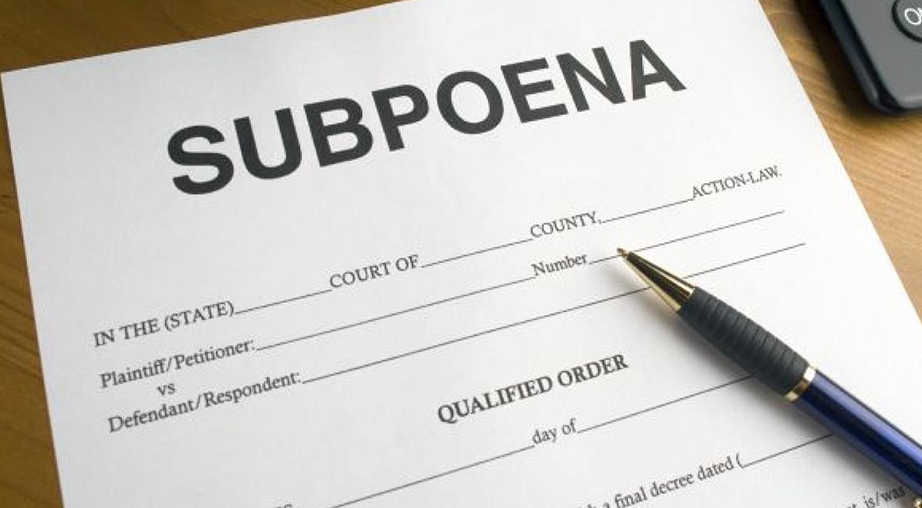
As part of our ongoing blog series, this article from our lawyers in Harrisonburg, VA will answer the questions “What is a subpoena?,” “How is a subpoena different from a summons?,” “What happens if I’m subpoenaed and I don’t show up to court?” and more.


WHAT IS A SUBPOENA? 

A subpoena [pronunciation] is a court-ordered command that requires someone to either appear in court as a witness, attend a deposition, or provide evidence such as documents or a physical object in a legal case. A witness subpoena requires a witness to appear at the courthouse at a particular time; however, the subpoena itself does not compel the witness to testify or to say anything.


WHO CAN ISSUE A SUBPOENA?

Subpoenas are requested or issued by an attorney or by a party to a legal case, either civil or criminal. Subpoenas can be issued by the court clerk or attorney involved in the legal action. Once issued, a subpoena must be served on the person for whom it’s intended.


HOW IS A SUBPOENA SERVED?

A subpoena is typically served by a sheriff’s deputy on someone in the following ways:

  • Personal delivery (AKA, hand-delivered)
  • Posted delivery on the door at the person’s residence
  • Delivery to a responsible person at the person’s residence or place of employment

subpoena to appear in court


TYPES OF SUBPOENAS

There are two types of subpoenas:

  • Subpoena Ad Testificandum (Witness subpoena)
    Requires someone to appear in person to testify as a witness in a court proceeding or a deposition.
  • Subpoena Duces Tecum
    Commands someone to produce physical evidence such as documents, materials, or other tangible evidence. The subpoena gives a deadline for the production of the physical evidence and will specify where the evidence must be produced. In a criminal proceeding in Virginia, the document or other physician evidence must be produced by delivering it to the Clerk of Court where the proceeding is being held.


EXAMPLES OF REASONS FOR A SUBPOENA

Subpoenas enable attorneys to obtain evidence, including testimony, that will help them present a client’s case.

For example, our local criminal attorneys at Cook Attorneys in Harrisonburg, Virginia often issue subpoenas to witnesses to testify in court regarding the facts surrounding an event that led to a client’s arrest.

Examples of subpoenas duces tecum we have requested include:

  • Income tax returns
  • Contracts
  • Cell phones
  • Bookkeeping records
  • Insurance records
  • Employee records
  • Lease agreements

In a criminal case, we cannot subpoena information from the prosecutor or the police department investigating the case. Production of those materials is subject to the rules of discovery. A subpoena duces tecum can be used, however, to obtain evidence in the possession of a third party to the case, including a government agency not involved in the prosecution of the case.

hire a Harrisonburg attorney if you’re subpoenaed


HOW IS A SUBPOENA DIFFERENT FROM A COURT SUMMONS?

A summons is an official notice to appear in court which is provided to a party to the case, not a witness. In a civil case, the summons is the notice of the lawsuit which is given to the person who is being sued. This gives the defendant the opportunity to appear in court and contest the claim. In a criminal case, an accused person can be released after the issuance of a summons given in lieu of an arrest by a warrant which requires the person be taken into custody. A speeding ticket is, formally, such a summons.


ARE THERE PENALTIES FOR IGNORING A SUBPOENA?

You do not have the right to ignore a subpoena. The Latin word ‘subpoena’ translates to ‘under penalty’ which means that if you are served a subpoena and don’t comply with the order, you will face a penalty. If you fail to follow the orders of a subpoena, you will be considered ‘in contempt of court’ and face civil or criminal penalties including jail time, fines, or both.


WHAT SHOULD I DO IF I RECEIVE A SUBPOENA?

If you are served a subpoena, begin by fully reading through the subpoena to make sure you understand what is required of you. Do you need to appear in court to serve as a witness? Do you need to provide materials? Subpoena requests should be very specific.

Immediately make note of the court date or filing deadline on your calendar. If your subpoena states that you must appear in court, make sure you clear your schedule for that date. In most cases, if you’ve been requested to appear in person, you will not be able to decline.

In most situations, it is appropriate to contact the attorney who requested or issued the subpoena. Ideally, he has already spoken with you and you knew the subpoena was coming, but if he hasn’t, give him a call to make sure you understand what is expected of you.

Sometimes, though, the subpoena may be hostile to your interests. In that case, consult with a respected attorney, such as those on our team of Harrisonburg lawyers, to guide you through the situation to ensure you’re properly prepared to face your subpoena. There may also be an opportunity to quash (or contest) the subpoena, or there may be grounds to assert your Fifth Amendment privilege against self-incrimination.


WE CAN SUPPORT YOU IF YOU’VE BEEN SUBPOENAED

Our Harrisonburg attorneys will provide you with the guidance you need to follow the proper procedures to fully comply with a subpoena’s demands. We can also help to prepare you if you are required to go to court as a witness in a criminal matter.
Fill out the form below to request more information about how we can serve you. We look forward to supporting you.


What Happens If You Are Subpoenaed?

questions about subpoenaAs part of our ongoing blog series, this article from our lawyers in Harrisonburg, VA will answer the questions “what is a subpoena?,” “how is a subpoena different from a summons?,” “what happens if I’m subpoenaed and I don’t show up to court?,” and more.


WHAT IS A SUBPOENA?

A subpoena [pronunciation] is a court-ordered command which requires someone to either appear in court as a witness, attend a deposition, or provide evidence such as documents or a physical object in a legal case. A witness subpoena requires a witness to appear at the courthouse at a particular time; however, the subpoena itself does not compel the witness to testify or to say anything.


WHO CAN ISSUE A SUBPOENA?

Subpoenas are requested or issued by an attorney or by a party to a legal case, either civil or criminal. Subpoenas can be issued by the court clerk or by an attorney involved in the legal action. Once issued, a subpoena must be served on the person for who it’s intended.


HOW IS A SUBPOENA SERVED?

A subpoena is typically served by a sheriff’s deputy on someone in the following ways:

  • Personal delivery (AKA, hand-delivered)
  • Posted delivery on the door at the person’s residence
  • Delivery to a responsible person at the person’s residence or place of employment

subpoena to appear in court


TYPES OF SUBPOENAS

There are two types of subpoenas:

  • Subpoena Ad Testificandum (Witness subpoena)
    Requires someone to appear in person to testify as a witness in a court proceeding or a deposition.
  • Subpoena Duces Tecum
    Commands someone to produce physical evidence such as documents, materials, or other tangible evidence. The subpoena gives a deadline for the production of the physical evidence and will specify where the evidence must be produced. In a criminal proceeding in Virginia, the document or other physician evidence must be produced by delivering it to the Clerk of Court where the proceeding is being held.


EXAMPLES OF REASONS FOR A SUBPOENA

Subpoenas enable attorneys to obtain evidence, including testimony, that will help them present a client’s case.

For example, our local criminal attorneys at Cook Attorneys in Harrisonburg, Virginia often issue subpoenas to witnesses to testify in court regarding the facts surrounding an event that led to a client’s arrest.

Examples of subpoenas duces tecum we have requested include:

  • Income tax returns
  • Contracts
  • Cell phones
  • Bookkeeping records
  • Insurance records
  • Employee records
  • Lease agreements

In a criminal case, we cannot subpoena information from the prosecutor or from the police department investigating the case. Production of those materials are subject to the rules of discovery. A subpoena duces tecum can be used, however, to obtain evidence in the possession of a third party to the case, including a government agency not involved in the prosecution of the case.

hire a Harrisonburg attorney if you’re subpoenaed


HOW IS A SUBPOENA DIFFERENT FROM A COURT SUMMONS?

A summons is an official notice to appear in court which is provided to a party to the case, not a witness. In a civil case, the summons is the notice of the lawsuit which is given to the person who is being sued. This gives the defendant the opportunity to appear in court and contest the claim. In a criminal case, an accused person can be released after the issuance of a summons given in lieu of an arrest by a warrant which requires the person be taken into custody. A speeding ticket is, formally, such a summons.


ARE THERE PENALTIES FOR IGNORING A SUBPOENA?

You do not have the right to ignore a subpoena. The Latin word ‘subpoena’ translates to ‘under penalty’ which means that if you are served a subpoena and don’t comply with the order, you will face a penalty. If you fail to follow the orders of a subpoena, you will be considered ‘in contempt of court’ and face civil or criminal penalties including jail time, fines, or both.


WHAT SHOULD I DO IF I RECEIVE A SUBPOENA?

If you are served a subpoena, begin by fully reading through the subpoena to make sure you understand what is required of you. Do you need to appear in court to serve as a witness? Do you need to provide materials? Subpoena requests should be very specific.

Immediately make note of the court date or filing deadline on your calendar. If your subpoena states that you must appear in court, make sure you clear your schedule for that date. In most cases, if you’ve been requested to appear in person, you will not be able to decline.

In most situations it is appropriate to contact the attorney who requested or issued the subpoena. Ideally, he has already spoken with you and you knew the subpoena was coming, but if he hasn’t, give him a call to make sure you understand what is expected of you.

Sometimes, though, the subpoena may be hostile to your interests. In that case, consult with a respected attorney, such as those on our team of Harrisonburg lawyers, to guide you through the situation to ensure you’re properly prepared to face your subpoena. There may also be an opportunity to quash (or contest) the subpoena, or there may be grounds to assert your Fifth Amendment privilege against self-incrimination.


WE CAN SUPPORT YOU IF YOU’VE BEEN SUBPOENAED

Our Harrisonburg attorneys will provide you with the guidance you need to follow the proper procedures to fully comply with a subpoena’s demands. We can also help to prepare you if you are required to go to court as a witness in a criminal matter.
Fill out the form below to request more information about how we can serve you. We look forward to supporting you.


What You Need To Know About Underage Drinking Laws in Virginia

underage drinking in Virginia can result in underage drinking punishmentThe lawyers at Cook Attorneys in Harrisonburg, VA have extensive experience representing students who have faced alcohol-related charges. Knowing more about Virginia’s alcohol laws—underage drinking laws in particular—can help you to avoid arrest and prosecution. Let’s begin with some history.


21ST AMENDMENT

One hundred years ago a temperance movement in the United States pushed for Prohibition and the banning of alcohol. The proponents of Prohibition believed that it would lessen poverty and other positive societal challenges. They succeeded, and the 18th Amendment outlawed the manufacture, sale, and transportation of alcoholic beverages in the United States.

Thirteen years later, in 1933, after prohibition was widely seen as a total failure, the 21st Amendment repealed Prohibition. But the spirit of Prohibition lingered, and the 21st Amendment authorized the individual states to regulate the following alcohol-related matters:

  • Alcohol sales within the state
  • Alcohol distribution within the state
  • Importation of alcohol within the state
  • Statutes on who is permitted to possess alcohol within the state

Alcohol laws vary state-by-state, and even among jurisdictions within states. As such, most alcohol laws in the United States are a combination of federal, state, and local laws. An exception however is the national drinking age.

Virginia’s alcohol laws stem from the 21st Amendment which abolished prohibition


NATIONAL MINIMUM DRINKING AGE ACT

The United States Congress passed the National Minimum Drinking Age Act (23 U.S.C.A. § 158) on July 17, 1984, requiring all states to raise the minimum legal drinking age to 21. In some states such as Alabama, Indiana, Kansas, Michigan, North Carolina, Pennsylvania, Vermont, and the District of Columbia, this law is effectively an outright ban.
In other states the purchase of alcohol by individuals underage is illegal, but the possession and consumption of alcohol, in certain circumstances, is not. Virginia is one of these states.
In regard to drinking age, it is illegal in Virginia for anyone under 21 years of age to possess, purchase, or consume any alcoholic beverage such as liquor, wine, and beer (Code of Virginia § 4.1-305), but there are exceptions.


EXCEPTIONS TO VIRGINIA’S UNDERAGE DRINKING LAWS

There are legal exceptions to underage drinking in the state of Virginia per Virginia Ann. Code Section 4.1-305(A):

  • Someone who is less than 21 years old may drink alcohol in her own home if a parent is present and has authorized it. Parents cannot give consent for anyone other than their own children, and we have defended a number of parents who were charged with permitting underage students who were not their own children to consume alcohol in their home.
  • Individuals under 21 may consume alcohol in a private, non-alcohol selling premises such as a party at a private home, under the conditions that their parents have prior knowledge and have given their consent.
  • A person under 21 may possess or deliver alcohol as a condition of their employment such as working in a restaurant.

drinking age in Virginia and legal exceptions


PENALTIES FOR UNDERAGE ALCOHOL VIOLATIONS IN VIRGINIA

Breaking Virginia’s alcohol laws can lead to very serious penalties. The only legal advice we can give is this: if you are under 21, do not drink alcoholic beverages.

We are constantly struck by the reaction of students and their parents in our office who are shocked to discover that Virginia police and courts treat underage possession quite harshly. Perhaps in their own families, underage possession and consumption is considered to be ‘minor,’ like a speeding ticket.

But you should know that here in Harrisonburg some police officers are very vigilant when it comes to enforcing the ban on underage drinking, especially in areas of student housing adjacent to James Madison University. Students who attend parties in the Port Republic Road area should arrange a sober driver to take them home at night rather than walk as certain officers monitor that area closely and a stumbling student is a sitting duck.

Anyone under the age of 21 who is convicted of possession of alcohol in Virginia (regardless if they are a resident of the state), can be convicted of a Class 1 misdemeanor, which can carry up to a year in jail, up to a $2,500 fine, and a one year driver’s license suspension. The Virginia statute has been amended several times over the last decade and “possession” now includes having alcohol in your system, proven by a BAC test, by an admission to a police officer, or by exhibiting the effects of intoxication.

The law does provide, in Virginia, for an alternative disposition for first offenders. If you have never been convicted or charged with underage possession of an alcoholic beverage, ask your attorney about an arrangement that allows a person to perform community service and complete substance abuse education that could result in the dismissal of an underage possession charge.

You should also know that it is a separate crime for an underage person to operate a motor vehicle after illegally consuming alcohol, even if the driver is not drunk, and to possess, manufacture, or use any altered or false driver’s license, military or university identification card for the purpose of illegally obtaining alcohol.


IT’S ILLEGAL TO PROVIDE ALCOHOL TO MINORS IN VIRGINIA

In Virginia, it is illegal for an adult to provide anyone younger than 21 years of age with an alcoholic beverage. This applies to both giving alcohol for free and to selling it. The law also applies to an adult who helps someone who is younger than 21 to obtain alcohol illegally. Penalties of being convicted of these violations can include up to a one year driver’s license suspension, $2,500 in fines, and even up to a year in jail.

hire a Harrisonburg lawyer for alcohol violations


VIRGINIA STATE LIQUOR LAWS

The Virginia Alcoholic Beverage Control Authority regulates the distribution and sale of alcoholic beverages in the state, and there you can find additional information on liquor laws in Virginia.


WE ARE EXPERIENCED ATTORNEYS FOR MINORS

When you are searching for the criminal lawyers in Virginia to assist you when facing an underage possession of alcohol charge, we invite you to contact us for a free legal consultation. Our team of Harrisonburg lawyers understand how an alcohol-related arrest can have a devastating impact on a young person’s future. We are experienced in helping students to achieve the best possible outcome for their case.
Fill out the form below to request more information about how we can serve you. We look forward to hearing from you!


What You Need To Know About Underage Drinking Laws in Virginia

underage drinking in Virginia can result in underage drinking punishment

The lawyers at Cook Attorneys in Harrisonburg, VA have extensive experience representing students who have faced alcohol-related charges. Knowing more about Virginia’s alcohol laws—underage drinking laws in particular—can help you to avoid arrest and prosecution. Let’s begin with some history.


21ST AMENDMENT

One hundred years ago a temperance movement in the United States pushed for Prohibition and the banning of alcohol. The proponents of Prohibition believed that it would lessen poverty and other positive societal challenges. They succeeded, and the 18th Amendment outlawed the manufacture, sale, and transportation of alcoholic beverages in the United States.

Thirteen years later, in 1933, after prohibition was widely seen as a total failure, the 21st Amendment repealed Prohibition. But the spirit of Prohibition lingered, and the 21st Amendment authorized the individual states to regulate the following alcohol-related matters:

  • Alcohol sales within the state
  • Alcohol distribution within the state
  • Importation of alcohol within the state
  • Statutes on who is permitted to possess alcohol within the state

Alcohol laws vary state-by-state, and even among jurisdictions within states. As such, most alcohol laws in the United States are a combination of federal, state, and local laws. An exception however is the national drinking age.

Virginia’s alcohol laws stem from the 21st Amendment which abolished prohibition


NATIONAL MINIMUM DRINKING AGE ACT

The United States Congress passed the National Minimum Drinking Age Act (23 U.S.C.A. § 158) on July 17, 1984, requiring all states to raise the minimum legal drinking age to 21. In some states such as Alabama, Indiana, Kansas, Michigan, North Carolina, Pennsylvania, Vermont, and the District of Columbia, this law is effectively an outright ban.
In other states the purchase of alcohol by individuals underage is illegal, but the possession and consumption of alcohol, in certain circumstances, is not. Virginia is one of these states.
In regard to drinking age, it is illegal in Virginia for anyone under 21 years of age to possess, purchase, or consume any alcoholic beverage such as liquor, wine, and beer (Code of Virginia § 4.1-305), but there are exceptions.


EXCEPTIONS TO VIRGINIA’S UNDERAGE DRINKING LAWS

There are legal exceptions to underage drinking in the state of Virginia per Virginia Ann. Code Section 4.1-305(A):

  • Someone who is less than 21 years old may drink alcohol in her own home if a parent is present and has authorized it. Parents cannot give consent for anyone other than their own children, and we have defended a number of parents who were charged with permitting underage students who were not their own children to consume alcohol in their home.
  • Individuals under 21 may consume alcohol in a private, non-alcohol selling premises such as a party at a private home, under the conditions that their parents have prior knowledge and have given their consent.
  • A person under 21 may possess or deliver alcohol as a condition of their employment such as working in a restaurant.

drinking age in Virginia and legal exceptions


PENALTIES FOR UNDERAGE ALCOHOL VIOLATIONS IN VIRGINIA

Breaking Virginia’s alcohol laws can lead to very serious penalties. The only legal advice we can give is this: if you are under 21, do not drink alcoholic beverages.

We are constantly struck by the reaction of students and their parents in our office who are shocked to discover that Virginia police and courts treat underage possession quite harshly. Perhaps in their own families, underage possession and consumption is considered to be ‘minor,’ like a speeding ticket.

But you should know that here in Harrisonburg some police officers are very vigilant when it comes to enforcing the ban on underage drinking, especially in areas of student housing adjacent to James Madison University. Students who attend parties in the Port Republic Road area should arrange a sober driver to take them home at night rather than walk as certain officers monitor that area closely and a stumbling student is a sitting duck.

Anyone under the age of 21 who is convicted of possession of alcohol in Virginia (regardless if they are a resident of the state), can be convicted of a Class 1 misdemeanor, which can carry up to a year in jail, up to a $2,500 fine, and a one year driver’s license suspension. The Virginia statute has been amended several times over the last decade and “possession” now includes having alcohol in your system, proven by a BAC test, by an admission to a police officer, or by exhibiting the effects of intoxication.

The law does provide, in Virginia, for an alternative disposition for first offenders. If you have never been convicted or charged with underage possession of an alcoholic beverage, ask your attorney about an arrangement that allows a person to perform community service and complete substance abuse education that could result in the dismissal of an underage possession charge.

You should also know that it is a separate crime for an underage person to operate a motor vehicle after illegally consuming alcohol, even if the driver is not drunk, and to possess, manufacture, or use any altered or false driver’s license, military or university identification card for the purpose of illegally obtaining alcohol.


IT’S ILLEGAL TO PROVIDE ALCOHOL TO MINORS IN VIRGINIA

In Virginia, it is illegal for an adult to provide anyone younger than 21 years of age with an alcoholic beverage. This applies to both giving alcohol for free and to selling it. The law also applies to an adult who helps someone who is younger than 21 to obtain alcohol illegally. Penalties of being convicted of these violations can include up to a one year driver’s license suspension, $2,500 in fines, and even up to a year in jail.

hire a Harrisonburg lawyer for alcohol violations


VIRGINIA STATE LIQUOR LAWS

The Virginia Alcoholic Beverage Control Authority regulates the distribution and sale of alcoholic beverages in the state, and there you can find additional information on liquor laws in Virginia.


WE ARE EXPERIENCED ATTORNEYS FOR MINORS

When you are searching for the criminal lawyers in Virginia to assist you when facing an underage possession of alcohol charge, we invite you to contact us for a free legal consultation. Our team of Harrisonburg lawyers understand how an alcohol-related arrest can have a devastating impact on a young person’s future. We are experienced in helping students to achieve the best possible outcome for their case.
Fill out the form below to request more information about how we can serve you. We look forward to hearing from you!