Can the Police Search Your Car? Know Your Rights

Virginia traffic car search


In our recent blog article, “Can Traffic Stops Lead To More Charges?” we discussed the minimal legal standard of “reasonable suspicion” which gives a police officer the authority to require you to stop your motor vehicle for additional investigation of a suspected crime or traffic violation.  

Upon making contact with the occupants of the vehicle, the officer might request permission to search the vehicle or containers within the vehicle.


When can the cops search your car? Should you say yes to this request? What happens if you don’t? Can police search a car that’s not yours? In this article, our lawyers in Harrisonburg, VA will explain more about warrantless vehicle searches and whether you should give the police consent to search your car.


POLICE CAN SEARCH A CAR WITH NO WARRANT IF THEY HAVE PROBABLE CAUSE


Probable cause exists when a person has reasonable grounds to believe certain alleged facts.  One court has defined probable cause this way: “An apparent state of facts found to exist upon reasonable inquiry which would induce a reasonably intelligent and prudent person to believe that the accused has committed the crime charged.”


In United States criminal law, probable cause is the standard by which police authorities have reason to obtain a warrant for the arrest of a suspected criminal or the issuing of a search warrant. It is also the standard by which grand juries issue criminal indictments. 


In the case of a stop of a motor vehicle, police are permitted to search the vehicle for an item of contraband or evidence of a crime—without a warrant—if an officer has probable cause to believe that the item of contraband or evidence is in the vehicle.  

Certainly, if the item is in plain view, the officer can seize the item if he has probable cause to believe the item is contraband. If the item is not in plain view, the officer must be able to articulate probable cause based on facts then known to him before removing occupants and entering the vehicle to search for and seize the item.


The Fourth Amendment of the United States Constitution states: 

“The right of the people to be secure in their persons, houses, papers, and effects, against unreasonable searches and seizures, shall not be violated, and no Warrants shall issue, but upon probable cause, supported by Oath or affirmation, and particularly describing the place to be searched, and the persons or things to be searched.”


A plain reading of the Fourth Amendment seems to require that officers must obtain a warrant before searching a motor vehicle, but the Supreme Court’s expansive Carroll Doctrine permits warrantless searches of motor vehicles (even immobilized vehicles) because the vehicle and its contents could be moved during the time it takes for the officer to obtain a search warrant from a magistrate or a judge.

 

can police search my car


POLICE CAN SEARCH A CAR WITH NO WARRANT WHEN MAKING AN ARREST


In addition to the Carroll Doctrine permitting officers to search a motor vehicle without a warrant where they possess probable cause that certain items are in the vehicle, they can also search a car when a person is arrested in, near, or having just exited the vehicle.  


At the time of an arrest, an officer can search locations within the arrested person’s “wingspan”; but in the case of a vehicle, that has been interpreted to include the entire interior of the vehicle. It normally does not, however, extend to detached spaces such as the trunk of the car.


POLICE CAN SEARCH A CAR WITH NO WARRANT WHEN CONSENT IS GIVEN


Another situation where police can search a motor vehicle without probable cause is where the owner or driver (or sometimes a passenger) of the vehicle gives consent to search the car.

Should you ever give a police officer permission, also called consent, to search your car? The short answer is NO, but we’ll explain in more detail.

Most individuals mistakenly think that the outcome will be better for them if they cooperate with the officer who is asking to search their vehicle. 


Police officers are trained to request consent to search a car if they have a mere hunch that criminal activity is afoot. Sometimes they just ask to see if consent is granted. The request is just that: a request. 

If you wonder if you can refuse a car search then yes, you can. As discussed previously, without probable cause (which is more than just a hunch or even a reasonable suspicion) they cannot search your car without your consent.


Although officers will never say it directly, they are trained to ask for consent in a way that makes you feel like you must permit them to search. Our clients often tell us that sitting along the side of the road, they felt that if they had refused to consent to a search of their car, that would be tantamount to an admission of some sort of guilt, an admission that the officer could then use to proceed with a search or even an arrest.

However, a refusal to consent to a search—that is, the assertion of your Fourth Amendment rights—does not justify a subsequent search by an officer.


By saying yes to the police officer’s request to search your car, you will have just officially given consent, and therefore given up your 4th Amendment right against unreasonable searches and seizures. 


If you consent to a police officer’s request to search you or your car, then the resulting search is, by default, legal in the eyes of the law. 


Always refuse the request to search your vehicle. 


Think of it this way: if you have no contraband, then to allow the officer to search would be a waste of his time. And if there might be contraband in the car (left there by a friend, for example), then you will be charged with possessing it.


You may think, “If I give consent to search, then I can argue later that my giving consent is evidence that I didn’t know the contraband was present.” It is counterintuitive, but people in knowing possession of contraband regularly give consent to search. It happens all the time.

So, if an officer asks to search your vehicle, be polite and cooperative but refuse the request.
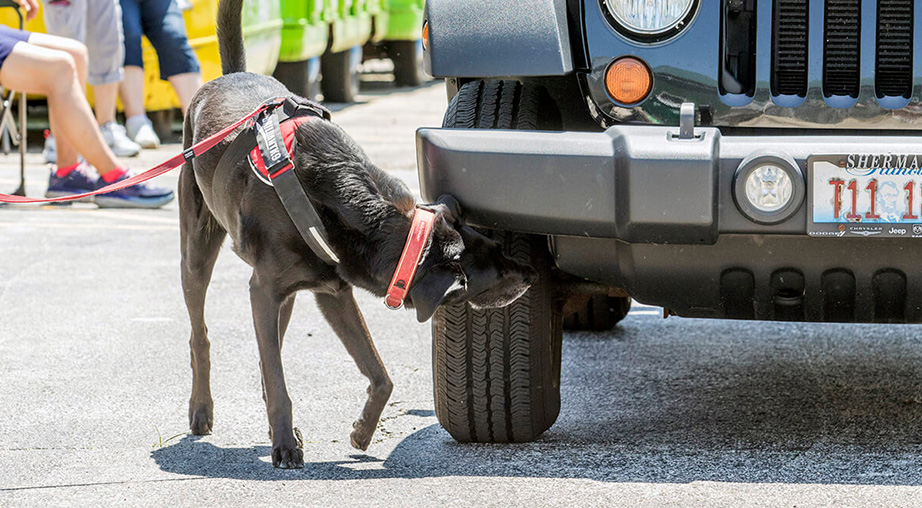
 

can the police search your car in Virginia


CAN POLICE SEARCH A CAR THAT’S NOT YOURS?

Yes, the police can search the car you are driving, whether or not it belongs to you. They are unlikely to impound it if it belongs to someone else, but they can search it. 


Be careful, though. If the officer finds drugs or other illegal contraband in the car that you are driving, you can still be liable for the charges—even if they are not yours, and even if you did not know they were there. 


If you are in a situation where you are driving someone else’s car, and you are ticketed or arrested for illegal contraband, Cook Attorneys can help. Call us right away if this has happened to you or a loved one.


CAN THE POLICE STILL SEARCH MY CAR IF I SAY NO?

If the police have probable cause as described above, they can proceed with a search of your car notwithstanding your refusal to consent.

However, if you give consent to the police search request, then the question of whether they actually had probable cause is no longer an issue. 

Always exercise your Fourth Amendment right to refuse unreasonable searches and seizures. If you’ve refused consent, your lawyer may be able to argue that the subsequent search and seizure violated the Constitution. Where an officer searches your car without a warrant, the burden to prove that the search was justified is on the prosecution, not the defendant.  


WE CAN DEFEND YOUR RIGHTS

If you or someone you love needs help from a local criminal attorney, contact our attorneys in Harrisonburg, VA for a free criminal defense consultation. 


Fill out the form below to request more information about how we can serve you. We look forward to hearing from you!


Can Traffic Stops Lead To More Charges?

Police officers at Virginia traffic stops


WHAT IS A ROUTINE TRAFFIC STOP IN VIRGINIA


A traffic stop, also commonly referred to as being pulled over by the police or getting stopped by police, can easily lead to more charges. Our traffic lawyers in Harrisonburg, VA have helped many people in need of local criminal attorneys because they were stopped for a routine traffic violation that escalated into a drug arrest or DUI charge. 


In Virginia, traffic stops occur when the police have reason to suspect a driver is violating a law. Some of our clients ask, “When are traffic stops illegal in Virginia?” A police officer can pull anyone over on the grounds of suspicious activity or suspected law violation. 


As for how many traffic stops per day are required or allowed—the answer is: as many as the police officer has reasonable suspicion to do so.


WHEN IS IT LEGAL FOR THE POLICE TO PULL YOU OVER?


A law enforcement officer has the authority to briefly detain any person the officer reasonably suspects is involved in criminal activity, and this authority includes stopping any motor vehicle driver who has committed (or may have committed) a driving offense, an equipment violation, or any number of violations of law.  

Even if it later turns out that the police officer was incorrect and you were not in violation of any laws, their decision to pull you over will still have been legal so long as the officer had a reasonable suspicion that he or she can articulate to show that they believed the stop was authorized. Police traffic stop procedures require that they tell you why they pulled you over.


traffic charges in VA


WHAT ARE REASONS FOR THE POLICE TO PULL YOU OVER?


As part of police protocol for traffic stops, there are many reasons an officer can give to justify his decision to pull over a driver—from specific observations about the manner of the driving, to improper or broken equipment on the vehicle. Here are some of the justifications we regularly see:


  • Broken Headlights Or Taillights
  • Driving Over The Speed Limit
  • Driving Too Slowly
  • Failure To Use A Turn Signal 
  • Failure To Wear A Seatbelt
  • Following too closely
  • Illegally Tinted Windows
  • Illegal Use Of A Phone
  • Illegal U-Turns
  • Improper Lane Changes
  • Littering
  • Objects dangling from the rear view mirror
  • Obscured License Plate
  • Reckless driving
  • Running a red light or stop sign
  • Swerving
  • Tailgating/following too closely
  • Wearing headphones in/over both ears

free traffic consultation Harrisonburg


WHAT HAPPENS DURING A TRAFFIC STOP IN VIRGINIA?


Some people wonder what to do when stopped by police. First of all, remain calm and considerate.

Once you’ve been signaled by the police for a traffic stop, look for a safe place to pull over. 

Use your parking brake, turn off the radio, turn on your overhead light (if it is dark), and keep your hands on your steering wheel to indicate to the officer that you are not planning to reach for a weapon. 


Do you have to roll your window down for police?
You should. The officer will approach your window and will likely ask for your driver’s license and vehicle registration. 

If he asks, “Do you know why I pulled you over?”, even if you think you know, answer, “No.”

Otherwise, if you affirmatively answer this question, you’ve admitted guilt which will be used against you if you later try to challenge the ticket in court.


The officer has the authority to question you about the facts associated with the violation they think has occurred. This might include asking you to sit in their police car for questioning. 

Questions typically include where you are coming from, where you are traveling to, and why you are traveling. They may also question any passengers in the vehicle to verify the answers you’ve provided. 

A computer check will likely be conducted of you, your passengers, and your vehicle to make sure the vehicle isn’t stolen and to determine if there are any outstanding warrants for you or those who you are traveling with. 


If, during the traffic stop, the officer has a reasonable suspicion that other criminal activity is present, such as someone driving under the influence (DUI), the transportation of illegal drugs, or other illegal activities, the police officer has the authority to ask additional questions about this suspected activity.


Importantly, you do not need to answer any questions other than identifying yourself to the officer. Indeed, if at any time you feel uncomfortable about answering a question or are being pressured by the officer to do so, it is likely that you should not be answering any more questions. Remember that you are protected by the United States Constitution’s 5th Amendment’s privilege against incriminating yourself, but only if you exercise that right and remain silent.

criminal defense Harrisonburg VA


HOW CAN A TRAFFIC STOP GO WRONG?


Traffic stops in Virginia, or in any state for that matter, can go wrong in a number of ways. It doesn’t happen often, but it can happen, so let’s take a look at what not to do when you are pulled over for a traffic stop.


  1. Keep your hands where the officer can see them. If you have nothing to hide, you have nothing to worry about.
  2. Be polite. The officer is just doing his or her job. You may feel that it was wrong for them to pull you over. Be polite anyway, and things will go much more smoothly.
  3. Do not run. Only get out of the car if the officer asks you to. If you are asked to get out of the car, do not run. Most people who are injured or killed in a routine traffic stop are ones who have started running away from the police.
  4. Do not allow the police to search the vehicle, especially if it is not your vehicle. If you give consent to have your vehicle searched, it will make it harder to win your case later in court (should it come to that).


We’ve been asked, “Why do many traffic stops go wrong?” when really—not that many go wrong. It is up to you to do your part in remaining above reproach during the stop. 


If you get a ticket that you believe was wrongfully issued, Cook Attorneys can help you fight it in court. There is no need to make a scene or plead your case during the traffic stop.


ARE THE POLICE ALLOWED TO SEARCH A CAR DURING A ROUTINE TRAFFIC STOP?


If you’ve been pulled over by a police officer for a traffic violation, you should not agree to allow them to search your car.  If the officer asks for consent to search your car, you can and must say no.


Certainly, there are times when the officer has the authority to search a vehicle. If, for example, the officer has evidence establishing probable cause (which is more than the reasonable suspicion necessary to stop the car) to believe that there are illegal drugs or other contraband in the vehicle or if there is evidence of another type of crime within your car, then they can remove the occupants from the vehicle and search it. Even if the officer has probable cause to search the vehicle, they may not have authority to open containers (such as backpacks) in the vehicle, so do not give consent to open such items even after a search is underway.


You can learn more in our blog post “When Should I Give Consent For The Police To Search My Car?”


WHAT ARE YOUR RIGHTS DURING A TRAFFIC STOP IN VIRGINIA?


Other than identifying yourself, you are not required to answer any questions presented to you by a police officer during a traffic stop. 


Although it may feel very uncomfortable to remain silent, it is within your constitutional rights to do so. 

The more information you provide to an officer, the more evidence they can build against you in a court of law. Following is a list from the ACLU’s website of your rights as driver:


Your rights as a driver

  • You can delay pulling over right away if it’s not safe.
  • Officers require probable cause to pull you over.
  • You can exercise your Fifth Amendment right to stay quiet.
  • You don’t have to take a roadside breathalyzer test.
  • You have to stop at police checkpoints if you’re selected.
  • You can record encounters with police.
  • Police can search your vehicle with enough reason.
  • The laws about traffic stops in each state are often different.
  • You can later challenge an illegal stop with legal help.


WE CAN SUPPORT YOU IF YOU ARE FACING CRIMINAL CHARGES


If you are facing criminal charges from a traffic stop or any other matter, our attorneys in Harrisonburg, VA will ensure the best possible outcome for your case. 


To request more information about how we can serve you and our free criminal defense consultations, please fill out the form below or call us to schedule an appointment today. Se habla español.

Virginia Window Tint Law – What You Need to Know

Window tint in Virginia


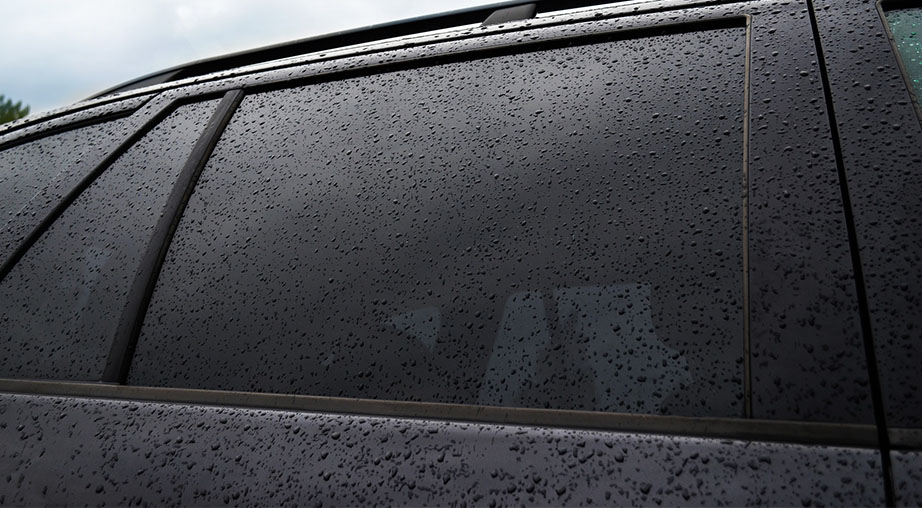
Virginia’s law regarding the darkness of tinting on the windows of an automobile is very specific and can result in a traffic ticket and a fine, but more importantly an officer’s suspicion of “excessive window tinting” can justify a traffic stop to allow him to pry further in search of other criminal offenses.  We have seen many clients pulled over so that the officer can check the degree of window tinting who end up charged with felony offenses for drug possession and distribution, firearms offenses, and driving under the influence of drugs or alcohol. 


At Cook Attorneys, our attorneys in Harrisonburg VA bring their extensive experience as criminal defense and traffic defense lawyers to our clients who have received moving violations in Virginia, including defending clients who have been ticketed in VA for tinted automobile windows. 


CAN YOU GET PULLED OVER FOR TINTED WINDOWS IN VIRGINIA?


If a police officer in Virginia suspects that an automobile’s windows are tinted more darkly than permitted by law, then they can use this for grounds to pull you over and issue a ticket.  The law against darkly tinted windows is supposedly to ensure that the driver can safely see out, but it’s more likely a law enacted so that police officers can see into a vehicle.


WHAT IS THE LAW REGARDING TINTED WINDOWS IN VIRGINIA?


The Virginia General Assembly enacted the “Virginia Tint Law” in the year 1999 which sets limits on the degree to which various windows on an automobile can be darkened through tinting. 

This degree is measured by the percentage of light that can shine through the film and therefore the window. This measurement of the darkness of tint is measured by VLT%: Visible Light Transmission Percentage.


In Virginia, there are different rules for the allowable window tinting on multi-passenger vehicles (such as SUV cars and vans) versus standard automobiles. 


WHAT ARE THE ALLOWABLE PERCENTAGE LEVELS OF TINTED WINDOWS? 


Tinted car window example


  • Allowable VLT% for Standard Automobiles:
    • Windshield Tint: Virginia does not allow for any tint on the front windshield except for above the manufacturer’s AS-1 line. Above the AS-1 line, there is no restriction on tinting levels: any percentage is allowed.
    • Front Side Windows Tint: Maximum allowable tint is 50%.
    • Back Side Windows Tint: Maximum allowable tint is 35%.
    • Rear Window Tint: Maximum allowable tint is 35%.


Traffic defense for tinted window violation


  • Allowable VLT% for Multi-Passenger Vehicles:
    • Windshield Tint: Virginia does not allow for any tint on the front windshield except for above the manufacturer’s AS-1 line. Above the AS-1 line, there is no restriction on tinting levels: any percentage is allowed. 
    • Front Side Windows Tint: Maximum allowable tint is 35%.
    • Back Side Windows Tint: There are no restrictions on how dark you can make the tint on the back windows of multi-passenger vehicles
    • Rear Window Tint: There are no restrictions on how dark you can make the tint on the back windows of multi-passenger vehicles

HOW REFLECTIVE CAN THE TINT BE IN VIRGINIA?


The “Virginia Tint Law” also limits the amount of tint reflection allowed on automobile windows.  Here are the limits:

  • Allowable Tint Reflection for Standard Automobiles: 
    • Front Side Windows: Not allowed to be more than 20% reflective. 
    • Back Side Windows: Not allowed to be more than 20% reflective.
  • Allowable Tint Reflection for Multi-Passenger Vehicles:
    • Front Side windows: Not allowed to be more than 20% reflective. 
    • Back Side windows: Not allowed to be more than 20% reflective.


ARE THERE OTHER LAWS RELATED TO WINDOW TINTING?


In addition to adhering to the law by knowing what is the darkest legal tint in Virginia, you should also be aware of the following additional rules and regulations related to window tinting: 

  • In cases where tinted windows are needed for medical reasons, the State of Virginia can make an exemption when a medical waiver is obtained from a doctor.
  • If a vehicle’s back window is tinted, then dual side mirrors are required.
  • Window tints in the following colors are not allowed:
    • Amber
    • Red
    • Yellow
  • Unlike in some states where window film manufacturers are required to certify the film they sell, this is not required in Virginia.


REASONS FOR TINTING WINDOWS?


Given the many restrictions on tinted windows in the State of Virginia, why go to the trouble? There are many reasons and even many benefits: 

  • Reduce Glare
    Window tinting can reduce or stop glare, thereby improving driver vision and safety, especially for individuals with sensitive eyes.
  • Protect Vehicle Interior
    Window tinting can prevent damaging UV light from entering your vehicle and fading or drying out your interior and upholstery.
  • Hide Valuables
    Tinted windows prevent would-be thieves from identifying items of value within your car and thereby preventing break-ins
  • Style
    Darkened windows can enhance the sophistication and luxury feel of a car.
  • Skin Protection
    Window tint can block up to 99% of damaging UV rays which would otherwise have direct contact with your skin.
  • Climate Control & Energy Efficiency
    Tinted window film can reduce your vehicle’s interior temperature by as much as 60%. This thereby reduces your need to use the air conditioning as frequently, which will save on fuel efficiency.


SCHEDULE A FREE TRAFFIC DEFENSE CONSULTATION WITH COOK ATTORNEYS


We can help you to achieve the best possible outcome for your case. If you received a ticket for tinted windows in Virginia, you are in need of local lawyers that handle traffic tickets. 


We invite you to contact us to schedule a free traffic defense consultation. Most consultations only require fifteen minutes, so what do you have to lose? Se habla español. Fill out the form below to request more information about how we can serve you. We look forward to hearing from you!
Experienced Attorneys for College and University Students

Find a student defense attorney


A criminal arrest before graduation can wreak havoc on a student’s future if not represented by  the right lawyer. So what should you do if you are a college-aged student and are arrested in Harrisonburg, VA or the surrounding area? What should you do if your son or daughter is a student away from home and needs the help of an experienced attorney for students in Harrisonburg?  We have helped many young people who have been accused of drug crimes, alcohol violations and other criminal offenses to minimize the consequences of mistakes they might have made.


Criminal charges against young adults create an extremely stressful experience for the entire family. We have extensive experience representing students from James Madison University, Bridgewater College, Eastern Mennonite University, Blue Ridge Community College other local schools. We can help you to achieve the best possible outcome when facing a criminal charge. 


HOW ARE LEGAL CONSEQUENCES DIFFERENT FOR STUDENTS?

Legal consequences for students can be more serious than for non-students. In addition to the fines, probation conditions and potential jail time that anyone facing a criminal charge will face, college and university students have to further worry about the penalties they may face from their academic institution, financial aid or scholarship providers as well as future employers. 


Students who have been arrested, whether on or off campus, may additionally be held accountable not only for their criminal violation, but for violations of their college or university’s student code of conduct rules. In these cases, students must appear before their school’s judicial board such. An example is the James Madison University’s Office of Student Accountability & Restorative Practices.


SUSPENSION OR EXPULSION FROM COLLEGE OR UNIVERSITY


Alt tag: local student defense lawyers


If a student is found guilty of violating their school’s code of conduct rules, potential penalties can include disciplinary probation, suspension or even expulsion depending on the severity of the infraction. The school may also require the student to undergo mandatory counseling or to provide community service. Again, this is regardless of whether the incident took place on or off the college or university’s campus. And how does the school learn of the arrest? Local police will often inform campus police when a student is arrested, and schools often monitor the local court dockets for charges against their students.


POTENTIAL LOSS OF SCHOLARSHIPS OR FEDERAL AID 


Students who are convicted of criminal charges while attending college or university, or who have violated their school’s code of conduct in other significant ways, can lose their eligibility for federal aid, financial aid and scholarship programs.


If you’re currently receiving federal aid and are given a federal or state drug conviction during the academic school year, not only can the aid be suspended, but you may be liable for refunding any federal aid you already received during the current loan period during which the conviction occurred.


Students convicted of drug charges who have had their financial aid suspended can sometimes become re-eligible for federal aid by completing an approved drug rehabilitation program and passing a drug test from an approved facility.  


Individuals who have been convicted of certain sexual offenses make them ineligible for a Federal Pell Grant.


CRIMINAL CHARGES AND SUSPENSIONS APPEAR ON YOUR RECORDS


lawyers that defend college students

A criminal arrest, regardless if you were convicted, can remain on your permanent record. Individuals who have been arrested, even for minor crimes such as walking in public with an open beer can while a student, may have a more challenging time finding employment. This is because many employers run background checks when evaluating a candidate for potential employment, and the results of the candidate’s criminal record might be discovered.  In a job market that’s already over-saturated, having a criminal arrest on your record can impact your immediate and long-term future.


Also, if you are consequently suspended from your college or university following a criminal charge, your school suspension will remain on your academic record, which can make it more difficult to be admitted to other schools in the future.


EXPUNGEMENT OF YOUR PERMANENT RECORD


It’s sometimes possible to have an arrest record cleared, which is a process called expungement. 


Unlike many other US states where a criminal record may be able to be expunged even in cases where the defendant was found guilty, the official policy here in Virginia is that expungement is available only to persons are found to be innocent of a crime or granted an absolute pardon. However, depending on how the court paperwork was processed, even if you were not totally innocent, our experienced expungement attorneys in Virginia at Cook Attorneys may be in a position to help.  It is good to have knowledgeable and experienced lawyers to represent you in the first place so that we may be able to set the case up properly for the possibility of expungement.   


WE CAN  HELP YOU GET BACK ON TRACK


Here at Cook Attorneys, we’re in the business of helping good people overcome bad situations. We understand how isolated incidents can have a devastating impact on a student’s future. We can help you get back on track with effective local representation from our experienced Harrisonburg lawyers for students. And if you’re an out-of-state parent of a student enrolled in a college or university in the Harrisonburg area, don’t worry. We are here to support you and your son or daughter. 


Contact us for a free criminal defense consultation for college students or fill out the form below to request more information about how we can serve you. We look forward to hearing from you!
Are Traffic Lawyers More Expensive Than Paying The Fines?

traffic lawyer cost vs paying the fines


If you’ve received a traffic violation citation, it may seem easier to just pay your traffic fine and move on.  But consider the total cost of a traffic ticket, including increased insurance premiums down the road, especially if your driving history has not been great.  


It is best to consult with lawyers that handle traffic tickets when you’re facing such a decision. It may surprise you, but hiring a traffic ticket attorney can be less expensive in the long run. 


PREPAYING YOUR TRAFFIC TICKET IS AN OMISSION OF GUILT

Something many people don’t consider, is that when you pre-pay your traffic ticket, you’re admitting guilt for the offense charged. This means that by default, the court will find you guilty, and therefore, in addition to the traffic fine you’ll pay, you will likely also accrue points on your license and with your auto insurance provider. 


Learn more about what happens when you prepay a traffic ticket in this Cook Attorneys blog article.


TRAFFIC TICKETS CAN LEAD TO HIGHER INSURANCE COSTS FOR 3-5 YEARS  

When you prepay a traffic ticket, you need to understand that points may be added to your auto insurance as a result. Points added to your insurance premium can add up to thousands of dollars over the years that the points from a traffic ticket can stay on your record. 


Points may also be added to your driver’s license, potentially resulting in the loss of your license. If you’re someone who depends on driving an automobile for your work to reach your job and to support your family, the loss of your license can be devastating. An experienced traffic attorney can help to prevent such an outcome.  


You can learn more about how drivers license “Demerit Points” work in the State of Virginia, here.


WHY ARE TRAFFIC TICKETS SO EXPENSIVE?  

Virginia traffic ticket fines seem steep to many people, but that is only because Virginia takes traffic laws very seriously. In addition to causing damage to yourself or property, you could seriously injure or kill someone else when you are not following traffic laws. The Commonwealth of Virginia has some of the strictest speeding laws in the country, and police are trained to enforce them. 


how expensive are traffic lawyers


HOW MUCH DO TRAFFIC LAWYERS COST?

Many people ask us, “Is it worth it to hire a lawyer for a traffic ticket?” While only you can determine that for yourself, we can provide information here on traffic lawyer fees to help you make the best decision for you. Each traffic lawyer will set their own rates and terms according to the following:

  • The lawyer’s education, experience, and reputation
  • The level of complexity of the client’s case
  • The time and effort required to handle the case
  • The current competitive traffic lawyer cost for comparable legal services in the lawyer’s geographic area
  • The type of payment/fee arrangement: fixed vs contingent

At Cook Attorneys, we charge a flat (or fixed) fee to represent you on charges that you committed a traffic violation. 


Keep in mind that non-misdemeanor traffic citations can add up to consequential higher insurance rates that may cost you more than the cost of a traffic lawyer. The money you’ll save by hiring professional legal representation will likely be even higher if you’ve been ticketed for reckless driving, driving without a license, Driving Under the Influence (DUI), or other misdemeanor traffic violations. 


GET A FREE CONSULTATION ABOUT YOUR VIRGINIA TRAFFIC TICKET

Free consultation for a traffic defense


At Cook Attorneys in Harrisonburg, VA, we offer free traffic defense consultations, which you can learn more about here, in this article. If you’ve been ticketed in Virginia for a traffic violation, we can appear for you in court and save you time and money by negotiating on your behalf to have your charges dropped, dismissed, or reduced.


While receiving a ticket can be frustrating, fighting it doesn’t have to be. While the police officer who issued your ticket may have told you that you can’t prepay your reckless driving ticket and that you must return to appear in court, most out-of-town traffic clients who are represented by legal counsel never have to return to Harrisonburg, Virginia to appear in court.


We can help you to achieve the best possible outcome for your case. If you received a reckless driving or other traffic violation in the Harrisonburg, VA area but live outside of Virginia, you are in need of local lawyers that handle traffic tickets.


We invite you to contact us to schedule a free telephone consultation and learn more about traffic lawyer costs. Most consultations only require fifteen minutes, so what do you have to lose? Se habla español. We look forward to working with you.

Benefits of Working with Cook Attorneys’ Bi-Lingual Legal Team

immigration lawyers speak Spanish in Harrisonburg


If English is not your native language, you definitely won’t need to feel intimidated by the US legal system if you have our team at Cook Attorneys on your side. 

Whether you need a criminal defense attorney, lawyers that handle traffic tickets, an attorney for a college student who’s been arrested or an immigration lawyer in Harrisonburg VA, we are here to support you and your family through our internal bi-lingual English/Spanish speaking team and our connections to interpreters and translators specializing in additional languages. 


OUR SPANISH-SPEAKING LEGAL TEAM 


Our legal assistant at Cook Attorneys natively speaks Spanish and attorney Scott T. Hansen speaks Spanish as a second language. 

As a Spanish speaking lawyer, Scott regularly represents our Hispanic clients and advises immigrants on matters of immigration law. During college, Scott spent time in Honduras where he resided with an exclusively Spanish speaking family. Throughout his nearly twenty years of legal practice, he’s continued to learn, practice and expand his Spanish on an almost daily basis through serving Cook Attorneys’ Spanish speaking clients and their families.


Here are just a few of the many testimonials our clients have given about their work with Scott:

“Wonderful lawyers who actually care about clients. If you’re in need of an immigration lawyer, give Scott Hansen a call.” – Sofi Shaffer

“Would definitely recommend Scott Hansen if you are in need of a lawyer. He will put in his time and work for the best possible outcome for you.” – Aaron Argenbright

“If you need an attorney I highly recommend Scott Hansen. Extremely knowledgeable and professional. If you need a criminal defense attorney you will not find a better one in Harrisonburg!” – Nikki Bridges


spanish speaking immigration and criminal attorneys


WHAT IS THE DIFFERENCE BETWEEN INTERPRETATION AND TRANSLATION?


An interpreter is a person who orally translates spoken words from one language to another, on the spot, in real-time. A translator interprets written text. An oral interpreter may be able to work as a translator for written materials, however, a translator does not necessarily have spoken language skills or an understanding of cultural nuances to work successfully as an interpreter. 


INTERPRETATION


When someone provides interpretation services from one language to another, they are not providing an exact word-for-word translation. Because the sentence structures and the nuanced meanings of words in different languages are often not the same, if an interpreter were to speak in a direct translation, it likely wouldn’t make sense to others. Instead, interpreters need to culturally contextualize, AKA “interpret” what is being said from one language to another. For example, paraphrasing or rephrasing idioms and other culturally-specific sayings or references. 

Interpreters can help you during the process of your legal case by joining you in person or by telephone or remote video chat during your meetings with your attorney. They can also appear with you in court. 


TRANSLATION


Unlike interpreters who are required to instantly and verbally convey a message from one language to another, relying only on their memory and intuition, most translators use digital dictionaries and other computer software in their work. However, even with the aid of digital tools, a translator must have excellent written skills to ensure a high quality and perfectly accurate translation. 

A translator can help you during the process of your legal case by converting legal documents from English into your native language to ensure you fully understand all of the materials you’re required to sign and be informed about. Your chosen translators may be in your local area, but could also support you from as far away as another country, thanks to today’s digital technologies. 


Harrisonburg attorneys speaking spanish

TRANSLATION AND INTERPRETATION SERVICES IN VIRGINIA


Did you know that here in Harrisonburg Virginia, our city’s public schools include students from more than 40 different countries? Or, that in Northern Virginia, nearly ⅓ of residents speak a language other than English at home?

Thanks to the Shenandoah Valley’s wonderful diversity, there are many services available to support individuals and their families who need ESL support. Cook Attorneys is proud to have been one of the first law firms in Harrisonburg to provide immigration legal services and bi-lingual staff to assist our clients.


Spanish speaking attorneys raising hands


CONTACT US FOR THE BEST POSSIBLE OUTCOME FOR YOUR CASE


We hope to have the opportunity to support you in ensuring the best possible outcome for your case. To learn more about our services, you can explore our blog and website at https://cookattorneys.com/blog/. 

If you wish to contact us, please fill out the form below to request more information about how we can serve you.


We look forward to hearing from you!
 

Prepare For Trial: What to Expect During a Criminal Trial Process?


As criminal defense lawyers in Harrisonburg, VA, our team at Cook Attorneys tries cases for those in our community who need legal defense. However, until the time comes when someone is going to attend a trial and needs legal representation, most individuals are unaware of what happens during a trial.

This blog will focus on the criminal trial process. In a criminal case, a trial determines whether the accused is guilty or not guilty. Every defendant is presumed to be innocent until he is proven guilty. 

Read on to learn more about the steps of a trial and how to prepare for trial.


THE KEY PLAYERS IN A TRIAL

trial participantsCriminal cases are officially brought to court by the government. The lawyer who represents the government in the trial is known as a prosecutor. The role of the prosecutor is to present evidence sufficient to prove the guilt of the person or business accused of the crime. 

The prosecutor holds the responsibility of proving the defendant’s guilt beyond a reasonable doubt. Conversely, the defendant is not required to prove his innocence. If the prosecutor is unable to prove the guilt of the defendant beyond a reasonable doubt, the accused will be found not guilty.


The attorney who represents the accused is the
defense attorney. While those who cannot afford an attorney are assigned a defense attorney by the court, many defendants choose to retain (hire) a criminal attorney to defend them against the charges brought by the prosecutor.

Criminal trials in the General District Court and the Juvenile and Domestic Relations Court are bench trials; that is, the case is decided by a judge. In the Circuit Court, the case may be tried as a bench trial or as a jury trial. 


In a jury trial, members of the community decide whether the prosecutor has proven that the accused is guilty. Virginia is one of the few states where, if the defendant requests it, the jury also makes a recommendation regarding the sentence. In most cases in Virginia, however, as in most states and in federal court, the judge, not the jury, determines the sentence.


WHAT HAPPENS DURING A TRIAL? OVERVIEW OF A CRIMINAL TRIAL PROCESS


As one of the first steps in the
criminal trial process, opening statements are given by one or both sides by the prosecution and/or defense. These statements sometimes provide an overview of the case and summarize the evidence and sometimes alert the judge or the jury to the important issues they need to watch for during the trial.

Because the burden of proof rests on the prosecution, they are given the first opportunity to present evidence, usually the testimony of witnesses and the presentation of physical evidence. 


The defense is given the opportunity to present evidence; but in a criminal case, there is no requirement that evidence be presented.

After the presentation of closing statements by both the prosecution and the defense, the judge or the jury will consider all the evidence and the law of the case before rendering a verdict.


If the defendant is found guilty of the charges, the judge or the jury will consider additional evidence—such as the defendant’s prior record, evidence of the defendant’s character, or victim impact evidence—before announcing the sentence. Of course, if the person is found not guilty, then he is free to go.


HOW TO PREPARE FOR TRIAL?

A good lawyer will help you prepare for trial, but there are things you can do for maximum preparedness. 

  • Read the complaint. This is the document that is accusing you of something. Knowing what it says in detail will help your defense and make sure you’re not wasting time. 
  • Gather evidence and prepare witnesses. Your attorney will be very helpful during this phase of preparing for trial, but you will still probably need to gather documents, provide financial evidence, etc.
  • Consult with your lawyer. You are not alone. Your attorney will be invaluable as you prepare for trial, helping you understand where to focus your attention and preparing you for anything the prosecution might throw your way.


Just remember as you
prepare for trial that a lot of the outcome depends on your preparedness. Cook Attorneys is available to help along each step of the way and coach you for the best possible outcome.

WHAT IS THE ROLE OF LAWYERS IN A TRIAL?

what is the role of lawyers in a trial?

During a trial, lawyers are the ones who call witnesses, and cross-examine the witnesses for the prosecution. They are well-versed in the law and can help you execute the strategy you put together before the trial.

You will have a choice in your defense. So what is the difference between a court appointed attorney vs private attorney?

  • Court-appointed attorneys are public defenders who are often pressed for time, overworked, and under-resourced. Whether they have a year of experience or several decades, they don’t always have the resources they need to spend as much time as necessary on your case to get you a great outcome.
  • Private attorneys are ones that you hire based on your need. They usually have more time and resources to focus solely on your case, and they will work for you to get the best possible results.


GET HELP FROM AN EXPERIENCED CRIMINAL DEFENSE ATTORNEY

As you can see, a good defense lawyer can make the criminal trial process easier for you. Experienced lawyers like those at Cook Attorneys can help you have a higher chance to dismiss the charge or reduce it to a less serious offense.


We offer free criminal case consultations for most criminal cases. If you’re ready to get started, please fill out the form below to request more information about how we can serve you. We look forward to hearing from you!

What to Expect During the Process of a Trial?

criminal defense lawyers Virginia


As criminal defense lawyers in Harrisonburg, VA, our team at Cook Attorneys tries cases for those in our community who need legal defense. However, until the time comes when someone needs lawyers that handle traffic tickets, DUI lawyers in Harrisonburg, VA, or other legal representation, most individuals are unaware of what happens during a trial.


THE KEY PLAYERS IN A TRIAL

criminal defense attorneys


In our legal system, a trial between adversaries is believed to be the path to truth and justice. In a criminal case, a trial determines whether the accused is guilty or not guilty. Every defendant is presumed to be innocent until he is proven guilty. 


Criminal cases are officially brought to court by the government. The lawyer who represents the government in the trial is known as a prosecutor. The role of the prosecutor is to present evidence sufficient to prove the guilt of the person or business accused of the crime. The prosecutor holds the responsibility of proving the defendant’s guilt beyond a reasonable doubt. Conversely, the defendant is not required to prove his innocence. If the prosecutor is unable to prove the guilt of the defendant beyond a reasonable doubt, the accused will be found not guilty.


The attorney who represents the accused is the defense attorney. While those who cannot afford an attorney are assigned a defense attorney by the court, many defendants choose to retain (hire) an attorney to defend them against the charges brought by the prosecutor.


Criminal trials in the General District Court and the Juvenile and Domestic Relations Court are bench trials; that is, the case is decided by a judge. In the Circuit Court, the case may be tried as a bench trial or as a jury trial. In a jury trial members of the community decide whether the accused is guilty. Virginia is one of the few states where the jury also makes a recommendation regarding the sentence. In most states and in federal court, the judge, not the jury, determines the sentence. 


THE TRIAL

Opening statements are given by one or both sides by the prosecution and/or defense. These statements sometimes provide an overview of the case and summarize the evidence and sometimes alert the judge or the jury to the important issues they need to watch for during the trial.


Because the burden of proof rests on the prosecution, they are given the first opportunity to present evidence, usually the testimony of witnesses and the presentation of physical evidence. The defense is given the opportunity to present evidence, but in a criminal case, there is no requirement that evidence is presented, and that the defendant did not present evidence cannot be held against the defendant.


After the presentation of closing statements by both the prosecution and the defense, the judge or the jury will be given the opportunity to consider all the evidence and the law of the case before rendering a verdict.


If the defendant is found guilty of the charges, the judge or the jury will consider additional evidence — such as the defendant’s prior record, evidence of the defendant’s character, or victim impact evidence — before announcing the sentence. Of course, if the person is found not guilty, then he is free to go.


Do you need a lawyer Harrisonburg VA? We offer free criminal case consultations and provide traffic defense consultations by phone. Se habla español.

If you’re ready to get started, please fill out the form below to request more information about how we can serve you. We look forward to hearing from you!

Can a Person Who Has Been Convicted of a Felony Have Their Firearms Rights Restored in Virginia? (How to Get Gun Rights Restored in VA)

THE RIGHTS YOU LOSE FOLLOWING A FELONY CONVICTION

When someone is convicted of a felony in the State of Virginia, they automatically lose their civil rights. These rights include:

  • The right to vote
  • The right to serve on a jury
  • The right to run for elected office
  • The right to become a notary public
  • The right to carry a firearm

How to get civil rights including gun rights restored in VA

Our team of attorneys in Harrisonburg VA are frequently asked about the process for how to get gun rights restored in VA.


RESTORATION OF VIRGINIA FIREARMS RIGHTS

Following a felony conviction in a Virginia state court, before you can request the restoration of your right to purchase and possess a firearm, you must first petition the Governor of Virginia for the restoration of the other rights lost as a result of the conviction, rights such as the right to vote, the right to hold public office, and the right to sit on a jury.  


The Constitution of Virginia gives the Governor (and only the Governor) power to have those civil rights restored. 


This first step in the process can be taken by contacting the Secretary of the Commonwealth’s office which you can do online. 


Here, you can check the status of your civil rights, print a restoration of rights contact form and request for your rights to be restored.


Individuals requesting restoration of their civil rights following a felony conviction in Virginia will be considered by the Secretary of the Commonwealth’s office in the order in which the felon was released from supervision.


However, the Governor does not have the power to return gun possession rights to citizens. To be considered for gun rights restoration, once you have received the restoration of your civil rights, and if you are eligible, you must next make an application to either the Circuit Court where you live or the Circuit Court where you were convicted. 

Virginia gun rights restoration


CONVICTIONS FOR WHICH THE PROCESS WON’T WORK

Not everyone who has been convicted of a felony will be eligible to have their firearms rights restored, even after their other civil rights are restored by the Governor. Virginia will not consider restoring your gun rights if your felony conviction is from another state or from federal court (even a federal court in Virginia).  Because there is no process in federal law to obtain restoration of gun rights after a federal court felony conviction, the only path available is a Presidential Pardon. Click here for more information on the federal pardon process.


Individuals who have been convicted of a misdemeanor crime of domestic violence cannot possess a firearm under federal law.  There is currently no process for such persons to request restoration of gun rights. This area of the law is complicated by the interplay of federal and state law in a way that likely was unintended but has not yet been addressed by the Virginia legislature.  If you have been convicted of assault and battery on a family member or a similar offense, speak with a lawyer for further information regarding you right to possess a firearm.


Attorneys in Harrisonburg VA to support gun rights restoration


WE CAN SUPPORT YOU 

If you’re looking for a Harrisonburg VA lawyer who can assist you with your Virginia gun rights restoration petition, our attorney Scott T. Hansen has helped numerous clients successfully regain their right to possess a firearm.  We can help you to determine your eligibility, file your petition, guide you through the process, and advocate for your gun rights restoration.


Contact us for a consultation. We will work to achieve the best possible outcome for your case.

Does a Traffic Violation Affect Immigration?

DOES A TRAFFIC TICKET AFFECT IMMIGRATION STATUS?

Are you or a loved one in the process of applying for citizenship to the United States of America? Our team of Harrisonburg VA immigration lawyers can help you better understand the consequences, if any, of how a traffic violation affects immigration status.


Whether a traffic violation will affect your immigration process depends on the nature of the ticket. Specifically, whether or not it was a citation, and if so, the severity of the infraction that led to the citation.


Non-moving violations such as parking tickets are not classified as citations, and so for these types of tickets, you don’t need to worry about them impacting your immigration status. You will not be required to report them on your Application for Naturalization. 


However, for a moving violation in which you were behind the wheel of your vehicle, these citations will need to be reported. And certainly, if you were issued a criminal citation for a DUI, reckless driving, driving without a license or insurance, or other serious offenses, you will need to report these offenses. 


At Cook Attorneys, our attorneys in Harrisonburg VA offer free traffic defense consultations. We encourage you to contact us if you may need to fight a traffic ticket. 

How a traffic violation affects immigration status in VA

APPLICATION FOR NATURALIZATION / FORM N-400

Resident Aliens, Legal Permanent Residents and Conditional Residents of the United States who are in the process of applying for U.S. citizenship will eventually need to complete an Application for Naturalization/Form N-400. Within this application, Section D is dedicated to “Good Moral Character.” 


Question number 23 of Section D within Form N-400 asks “Have you ever been arrested, cited, or detained by a law enforcement officer (including any and all immigration officials or the U.S. armed forces) for any reason?” If you have received any traffic citations during your time in the United States, you will need to attest to them by answering yes to question number twenty-three. You will need to provide USCIS with a copy of the ticket along with the court order resolving the case.  You may also later be asked to provide proof of payment of your traffic fine.


If at the time of your application, you’re still not certain whether to answer yes to Question 23 of Form N-400, err on the side of caution and answer yes. Your fingerprints will be taken as part of the application process and therefore you won’t be able to hide anything anyway, as USCIS will have a full report of your US criminal record as a result.

Application for Naturalization/Form N-400 for Harrisonburg DUI attorney

WHAT IS THE IMPACT OF TRAFFIC CITATIONS ON IMMIGRATION STATUS?

Minor moving violation citations are unlikely to negatively impact your Application for Naturalization. However, if you were cited with a traffic ticket for a criminal violation involving alcohol or illegal substances, these may jeopardize your application status. These are serious offenses for which you should seek the help of lawyers that handle traffic tickets or if it was a DUI or DWI charge, a Harrisonburg DUI attorney. We also recommend that you seek a consultation with an experienced immigration lawyer who can help you answer the questions on the application and prepare for your interview. 

Harrisonburg VA immigration lawyers

Too many of our clients wait until after their applications have been denied before enlisting the aid of an immigration attorney. There are many reasons why you shouldn’t DIY your immigration process. If you would like to schedule a traffic defense or immigration consultation, the process typically takes less than an hour. We have a Spanish accessible office and can help you to hire an interpreter if you need legal assistance in Kurdish or any other language.  


Contact us to learn more.